
Desserts
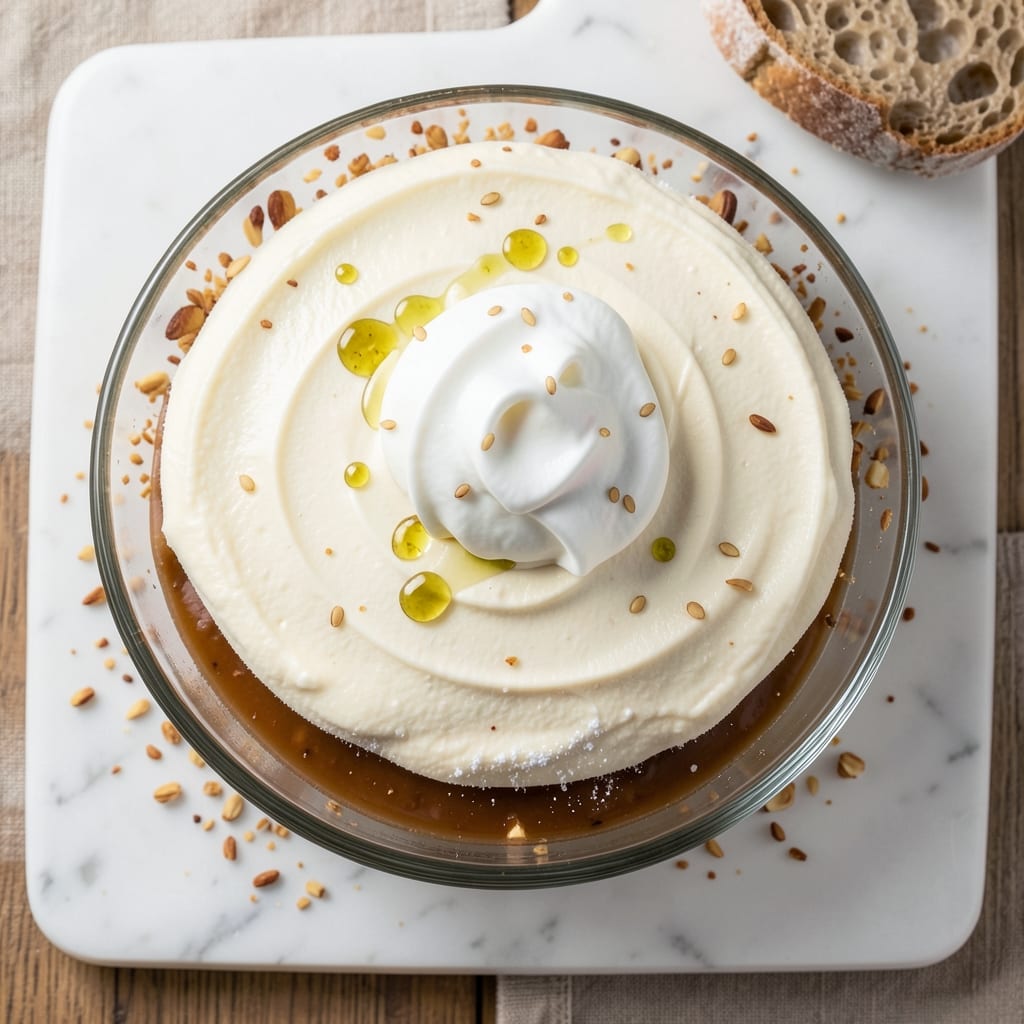
This almond cake frosting recipe transforms your vanilla buttercream into a sophisticated, nutty masterpiece that complements almond cake perfectly. The secret lies in infusing almond extract and incorporating finely ground almonds, creating a rich, aromatic frosting that balances sweetness with subtle depth. Unlike ordinary buttercream, this version delivers a professional finish that pairs seamlessly with the cake's natural almond flavor.
What sets this frosting apart is its versatility—smooth enough for elegant swirls yet sturdy enough for piping intricate designs. The recipe uses a simple ratio of butter to powdered sugar, with almond extract and ground almonds adding complexity without overpowering. For best results, chill the frosting briefly before using, ensuring it holds its shape while remaining light and airy.
Once complete, you'll have a frosting that's creamy yet stable, with a delicate almond aroma that enhances every bite of the cake. It's ideal for layering, filling, or decorating, and keeps beautifully for up to 5 days in the refrigerator. The ground almonds add subtle texture, while the almond extract infuses the buttercream with a refined, nutty essence.
This frosting elevates any almond cake, whether you're baking for a special occasion or simply indulging in a homemade treat. The technique is straightforward, but the results are undeniably professional—perfect for those who want restaurant-quality dessert at home.
Ingredients for almond cake frosting
Nine ingredients transform simple buttercream into a sophisticated almond-infused frosting.
| Ingredient | Amount | Notes |
|---|---|---|
| Unsalted Butter 🧈 | 1 cup | Cold, cubed for easier mixing |
| Powdered Sugar 🍚 | 3 cups | Sifted for smooth texture |
| Pure Vanilla Extract 🌿 | 1 tsp | High-quality for authentic flavor |
| Almond Extract 🌿 | 1 tsp | Pure, not imitation |
| Finely Ground Almonds 🥜 | ½ cup | Toasted for enhanced aroma |
| Heavy Cream 🥛 | ¼ cup | Cold for stability |
| Salt 🧂 | ¼ tsp | Fine sea salt preferred |
| Whole Milk 🥛 | 1 tbsp | For smooth consistency |
| Cornstarch 🌾 | 1 tbsp | For stability and shine |
The butter and powdered sugar form the foundation, so use high-quality unsalted butter—none of that salted nonsense that throws off the balance. Domestica or European-style brands melt beautifully. For powdered sugar, sift it through a fine-mesh sieve to avoid graininess. The almond extract is non-negotiable—Goya or McCormick are reliable brands. Toast your ground almonds in a dry pan for 2-3 minutes to deepen their flavor. This isn't just a garnish; it's the secret to that restaurant-quality nutty depth. Store your extracts in a cool, dark place—they last forever, but quality fades with light exposure.
No almond extract? Almond syrup or finely ground marcona almonds can add subtle flavor, though the extract is still ideal. Running short on powdered sugar? Confectioners' sugar from the bulk section works, but check for clumps. The heavy cream and milk add stability, but don't overbeat—just mix until combined. For a dairy-free version, swap the heavy cream for coconut cream and milk for almond milk, though the texture will be slightly softer. The cornstarch is your secret weapon—it keeps the frosting from melting too quickly, especially in warm rooms. If you're piping intricate designs, chill the frosting for 30 minutes beforehand for cleaner lines.
This frosting keeps beautifully for 5 days in the fridge, covered tightly with plastic wrap pressed directly on the surface. For longer storage, freeze in an airtight container for up to 3 months. Let it sit at room temperature for 10 minutes before using after refrigeration. The ground almonds can be toasted and stored in the freezer for up to 6 months to maintain freshness. If your frosting gets too stiff, warm it gently (30 seconds in the microwave) and re-whip. For best results, make it the day before—flavors meld overnight, and the texture improves with time.
Why You'll Love This Recipe
- Four-Ingredient Magic: I swear by this combo—just butter, sugar, vanilla, and almonds. No fancy gadgets, no measuring cups that make you question your life choices. The ground almonds add texture without extra effort, and the extracts blend in while you’re still deciding what to watch on TV.
- Nutty Luxe: That first bite of frosting? Rich, buttery, and subtly almond-forward—like a hug from a French patisserie. The vanilla and almond extracts play off each other so well, it’s the kind of flavor that makes you pause mid-slice. Honestly, I’ve used this on plain cake and suddenly it’s fancy.
- Party in a Bowl: This frosting plays dress-up. Slather it on a simple vanilla cake for birthdays, pipe it into cupcakes for brunch, or even dollop it over fruit tarts when you’re feeling fancy. The ground almonds give it enough grip to stay put, so no messy cleanup when guests dig in.
- No-Waste Winner: Make a double batch—it keeps for weeks in the fridge without drying out. I’ve used leftover frosting to top yogurt, mix into cookie dough, or even spread on toast with a sprinkle of cinnamon. (Yes, even on a Tuesday night.) Plus, butter and powdered sugar are pantry staples, so you’re not breaking the bank for a small indulgence.
Step-by-step instructions for almond cake frosting
This professional method delivers a velvety buttercream with rich almond flavor and perfect piping consistency every time.
Cream the Cold Butter and Sugar
In a stand mixer fitted with the paddle attachment, beat the 1 cup unsalted butter (cold and cubed) on medium speed for 2-3 minutes until smooth and pale. This cold start prevents greasy frosting and ensures proper emulsification later. Scrape down the sides of the bowl as needed to maintain even mixing.
Gradually add the 3 cups powdered sugar in 3 additions, mixing on low speed after each addition. This gradual approach prevents sugar dust explosions and creates a smooth base. After all sugar is incorporated, increase speed to medium and beat for 2-3 minutes until completely smooth and fluffy. The mixture should be light and airy, with no visible graininess.
Incorporate Extracts and Almond Flavor
Remove the mixer bowl from the stand and add the 1 tsp pure vanilla extract, 1 tsp almond extract, and 0.25 tsp salt. Using a silicone spatula, gently fold these ingredients into the buttercream until fully combined. The extracts will infuse deeply during the next mixing phase, creating that authentic almond cake flavor profile.
In a small bowl, whisk together the 0.5 cup finely ground almonds, 1 tbsp cornstarch, and 1 tbsp whole milk until smooth. This creates a nutty slurry that will prevent graininess when added to the frosting. With the mixer running on low speed, gradually add this almond mixture to the buttercream, scraping down the sides as needed. Mix for 1-2 minutes until completely smooth and free of any almond streaks.
Add Heavy Cream for Stability
With the mixer running on low speed, gradually add the 0.25 cup cold heavy cream in a slow, steady stream. This step is crucial for achieving the perfect piping consistency. The cold cream helps stabilize the frosting and creates that professional, glossy finish. Mix for 2-3 minutes until the frosting is light, fluffy, and holds its shape when piped.
For a quick test, pipe a small amount onto parchment paper. If it holds its shape without spreading too much, your frosting is ready. If it's too soft, chill for 15-20 minutes before using. If it's too stiff, add 1 tsp whole milk at a time until it reaches the desired consistency. The frosting should be thick enough to pipe but still spreadable for cake layers.
Final Adjustments and Use
Taste the frosting and adjust seasoning if needed. You may need to add a pinch more salt or almond extract to achieve the perfect balance. For a glossy finish, add 1 tsp whole milk at a time while mixing until the frosting shines. This final step ensures your frosting looks as good as it tastes.
Use immediately to frost your almond cake layers or fill between layers. For best results, pipe or spread the frosting onto chilled cake layers. If storing, cover tightly with plastic wrap and refrigerate for up to 3 days. Bring to room temperature before using to achieve the perfect piping consistency. The frosting will keep its flavor and texture beautifully, making it perfect for special occasions or everyday treats.
Pro Tips For Making Almond Cake Frosting
- Warm the Butter First: Take that cold butter out of the fridge 15 minutes before you start—it’ll cream with the powdered sugar like a dream instead of fighting you. I used to just dump it in and wonder why my frosting ended up grainy. Trust me, this small step makes a real difference. ---
- Toast the Almonds Lightly: Pulse those finely ground almonds into the frosting, but first, toast them in a dry pan for 2-3 minutes until they smell nutty. This adds depth without bitterness—something store-bought almond flour can’t match. (Yes, even if you’re impatient like me.) ---
- Whip in Stages: Don’t dump all the powdered sugar at once—add it in thirds while mixing on high. This prevents clumping and ensures the frosting comes together smooth, not like a sad, lumpy paste. I learned this the hard way after scraping frosting off my beaters. ---
- Balance the Extracts: Start with half the almond extract called for, taste, then add the rest—vanilla extract needs to play second fiddle here. Too much almond extract will make your frosting taste like perfume, not cake. (Your future self will thank you.)
Perfect pairings for this recipe
Fruit Pairings
Berries like raspberries or blackberries add a bright, tart contrast that cuts through the frosting's richness. I like to arrange them in a circular pattern on top of the cake for a pop of color. For a sweeter pairing, try sliced peaches or nectarines, especially when they're in season—just macerate them with a touch of honey and lemon juice for 10 minutes before arranging. 🍓
Chocolate Accents
A drizzle of dark chocolate ganache (melt ½ cup dark chocolate with ¼ cup heavy cream) elevates the cake to restaurant quality. Let it cool slightly before drizzling over the frosting for elegant marbling. For a bolder flavor, add chopped toasted hazelnuts to the ganache—this creates a nutty-chocolate contrast that complements the almond frosting beautifully.
Citrus Zest
Brighten the frosting with orange or lemon zest sprinkled on top. I find that 1 tsp of zest mixed into the frosting before the final whipping adds a subtle citrus note that refreshes the palate. For presentation, use a microplane to create delicate curls of zest on the cake's sides. Pair this with white chocolate shavings for a sophisticated finish. 🍊
Caramel Drizzle
A salted caramel drizzle takes this frosting to the next level. Heat ½ cup granulated sugar in a saucepan until melted, then add ¼ cup heavy cream and 2 tbsp butter, simmering for 3 minutes. Drizzle over the cake just before serving. The salt in the caramel enhances the almond flavor, creating a perfect balance of sweet and savory.
Whipped Cream Topping
For a lighter touch, pipe whipped cream alongside the frosting. I like to add ½ tsp almond extract to the whipped cream for harmony. Garnish with crushed pistachios or edible gold leaf for an extra luxurious feel. This works especially well for summer desserts when you want a lighter, airier finish. 🥥
Nutrition facts
Frequently asked questions about almond cake frosting
Can I make this frosting dairy-free?
Yes! Replace the 1 cup unsalted butter with 1 cup dairy-free butter or ½ cup coconut oil (solid). Use coconut cream instead of heavy cream and almond milk instead of whole milk. The texture will be slightly softer but still delicious. Chill for 30 minutes before using to improve stability.
How do I prevent graininess in the frosting?
Sift the powdered sugar thoroughly and mix the ground almonds with 1 tbsp cornstarch and 1 tbsp milk into a smooth slurry before adding. Also, ensure your butter is cold when creaming it with the sugar. If graininess appears, pulse the mixture briefly in a food processor to smooth it out.
Can I use almond butter instead of ground almonds?
Not directly—almond butter is too thick and will alter the frosting's texture. However, you can blend ½ cup almond butter with 1 tbsp milk until smooth, then add it gradually while mixing. This adds richness but requires careful balancing. The ground almonds provide better texture control for a professional finish.
Why is my frosting too soft or runny?
This usually happens if the butter was too warm when creamed or if too much liquid was added. Chill the frosting for 15-20 minutes to firm it up. If it's still too soft, add 1 tbsp powdered sugar at a time until it reaches the right consistency. For piping, you want it thick enough to hold its shape but still spreadable.
How can I make this frosting nut-free?
Omit the ground almonds entirely and replace them with ½ cup toasted coconut flakes (finely ground) or 1 tbsp cornstarch mixed with 1 tbsp milk for texture. Boost the almond flavor with an extra ½ tsp almond extract or add 1 tsp coconut extract for a complementary note. The frosting will still taste delicious!