
Desserts
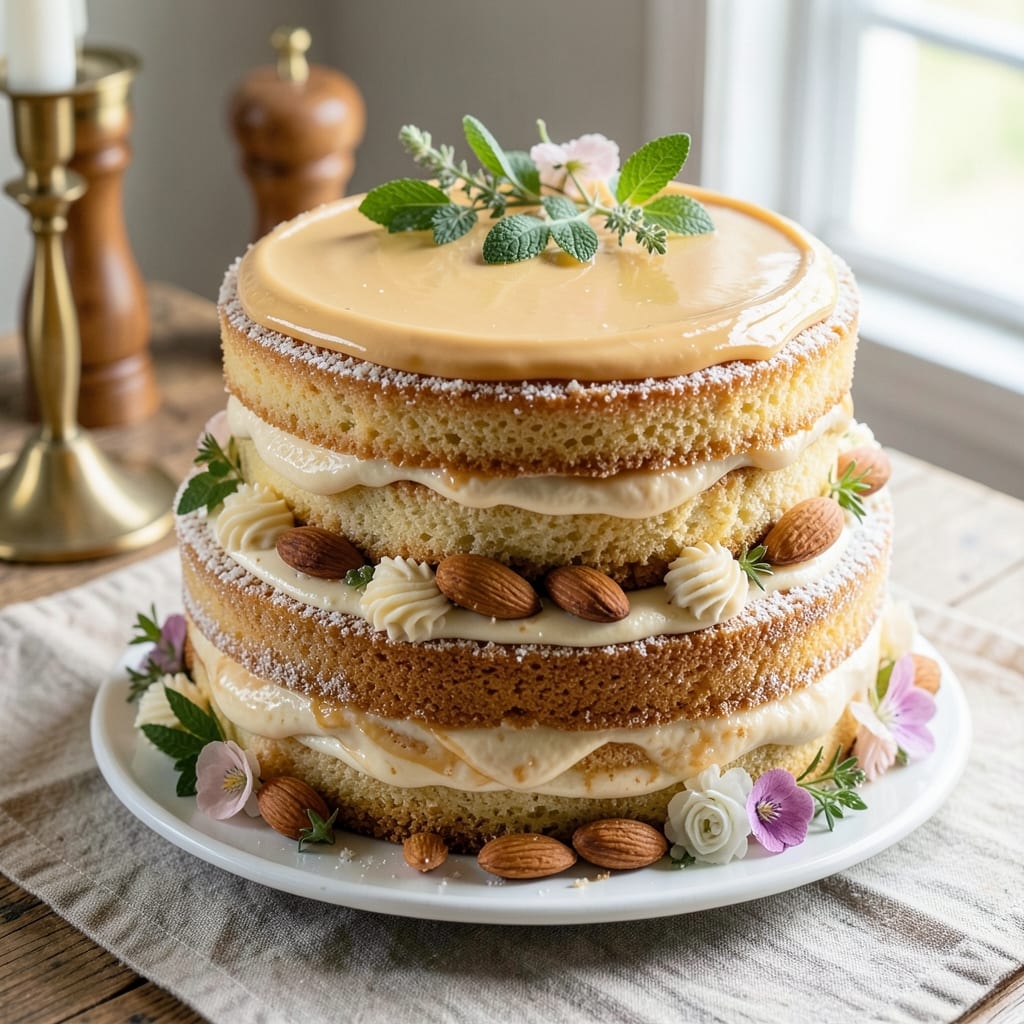
This almond custard cake delivers layers of silky custard and toasted almond crunch that will have everyone asking for seconds. The secret lies in a perfectly balanced custard base—rich yet light—paired with finely ground almond flour that adds texture without overpowering the delicate flavor. I’ve refined this recipe over years to ensure each slice stays moist for days, with that signature nutty aroma wafting through the kitchen as it bakes.
The foundation begins with a velvety custard made from eggs, sugar, and cream, gently heated to create a smooth, pudding-like consistency before being folded into the almond-infused batter. The almond flour isn’t just for flavor—it creates a tender yet sturdy crumb that holds up beautifully to slicing. Baking at a precise 325°F ensures even layers without drying out, while a final dusting of powdered sugar and toasted almonds adds that restaurant-quality finish.
What makes this cake truly special is its versatility—serve it warm with a scoop of vanilla ice cream for a decadent dessert, or enjoy it at room temperature for a sophisticated afternoon treat. The custard’s natural sweetness pairs perfectly with the nutty depth of the almonds, creating a harmonious balance that’s both comforting and elegant. Once you try this, store-bought versions will never measure up again.
Ready in just 1 hour (including prep and baking), this recipe is ideal for special occasions or when you want to impress without spending hours in the kitchen. The key is patience—letting the custard thicken properly and baking until the center is just set ensures every bite is perfect. Let’s get baking!
Ingredients for almond custard cake
Eggs, almonds, and cream create layers of custardy richness with nutty crunch in this refined dessert.
| Ingredient | Amount | Notes |
|---|---|---|
| Large Eggs 🥚 | 6 whole | Room temperature for best mixing |
| Granulated Sugar 🍚 | 1 ½ cups | Superfine preferred for smooth texture |
| Heavy Cream 🥛 | 1 ½ cups | Full-fat for rich custard |
| Unsalted Butter 🧈 | ¾ cup | Cold, cubed for custard base |
| Almond Flour 🥜 | 1 ½ cups | Finely ground, not almond meal |
| All-Purpose Flour 🌾 | 1 cup | Sifted for light batter |
| Baking Powder 🍞 | 1 tsp | Aluminum-free preferred |
| Salt 🧂 | ½ tsp | Fine sea salt |
| Vanilla Extract 🌿 | 1 tbsp | Pure Madagascar preferred |
| Toasted Sliced Almonds 🥜 | 1 cup | For topping, lightly toasted |
| Powdered Sugar 🍚 | ¼ cup | For final dusting |
The custard begins with room temperature eggs—cold yolks won't emulsify properly. For the almond flour, Bob's Red Mill or King Arthur brands yield the finest grind. If you can't find almond flour, blend 1 cup whole almonds in a food processor until ultra-fine (about 10 minutes). The heavy cream should be cold when added to the custard base to prevent curdling. For the vanilla, Madagascar Bourbon extract adds depth beyond imitation varieties.
No almond flour? A 1:1 blend of almond meal and all-purpose flour works, though texture will be slightly denser. Substitute soy milk for half the heavy cream if you prefer a lighter version. For the sugar, superfine dissolves faster, but regular granulated works if pulsed briefly in a food processor. The baking powder is essential—aluminum-free ensures no metallic aftertaste. Toast your almonds in a dry pan over medium heat for 2-3 minutes until golden and fragrant, then cool completely before using.
Store baked layers in an airtight container between parchment paper for up to 4 days. For longer storage, freeze individual layers wrapped tightly for 3 months. Reheat slices in a 300°F oven for 5-7 minutes to restore moisture. The custard's natural richness means no extra syrup is needed—just dust with powdered sugar before serving. Assemble the cake no more than 2 hours before serving to prevent sogginess.
Why You'll Love This Recipe
- No Mixing Madness: I swear by this recipe because it’s one bowl—just whisk eggs, sugar, and cream, then fold in the almond flour. No sifting, no measuring cups, no stress. The custard base comes together smoother than my morning coffee.
- Rich Without the Guilt: That creamy custard layer? It’s dangerously good, but the almond flour keeps it lighter than traditional cakes. The butter adds depth, while the sugar caramelizes just enough to make every bite feel like a little reward—no heavy flour dust here.
- Crowd-Pleaser for Any Event: Between us, this cake is my go-to for birthdays, book club gatherings, or even just a Sunday afternoon. Slice it warm with a dusting of powdered sugar, or serve it chilled with berry compote—it’s fancy enough for company but unfussy enough for a lazy weekend.
- Leftovers That Don’t Suffer: Honestly, I make this on purpose so I have slices for days. The custard stays moist for at least three days wrapped in parchment, and the almond flavor only gets better as it sits. Plus, it freezes beautifully—just thaw and reheat for a quick dessert fix.
Step-by-step instructions for almond custard cake
Create a luxurious cake with silky layers and nutty crunch using precise techniques and careful attention.
Prepare the Custard Base
In a medium saucepan, combine the 1.5 cups heavy cream, 0.75 cup unsalted butter (cubed), and 1.5 cups granulated sugar. Place over medium-low heat and bring to a gentle simmer, stirring until the sugar dissolves completely. This process should take about 5-7 minutes—you'll notice the mixture thickens slightly and becomes pale golden.
Once simmering, remove from heat and let cool for 10 minutes while preparing the eggs. This cooling step prevents scrambling when you add the eggs later. The custard mixture should be warm but not hot to the touch—ideal for creating a smooth, velvety texture without curdling.
Incorporate Eggs and Flours
In a large mixing bowl, whisk together the 6 whole large eggs until they're frothy and slightly thickened. Slowly pour the warm custard mixture into the eggs while whisking constantly. This gradual addition prevents temperature shock that could cause the eggs to scramble. The mixture should become pale yellow and noticeably thicker.
Sift in the 1.5 cups almond flour, 1 cup all-purpose flour, 1 teaspoon baking powder, and 0.5 teaspoon salt all at once. Gently fold these dry ingredients into the egg mixture using a silicone spatula, being careful not to overmix. You're aiming for a smooth, lump-free batter with a consistency similar to thick pancake batter. If the batter appears too thick, add 1 tablespoon heavy cream to loosen it slightly.
Add Vanilla and Prepare for Baking
Stir in the 1 tablespoon vanilla extract until fully combined. The batter should now have a delicate, nutty aroma with a hint of vanilla sweetness. Divide the batter evenly between two 8-inch round cake pans lined with parchment paper and lightly greased. Tap the pans gently on the counter to remove any air bubbles that might have formed during mixing.
Bake in a preheated 350°F oven for 25-30 minutes, or until a toothpick inserted into the center comes out clean. The cakes should spring back slightly when pressed in the center. Rotate the pans halfway through baking for even cooking. The tops should be golden brown with a slight sheen—this indicates proper doneness and a tender crumb.
Assemble the Cake Layers
Allow the cakes to cool in their pans for 10 minutes, then transfer to a wire rack to cool completely. Once cooled, level the tops if necessary using a serrated knife. For the filling, whisk together 1 cup heavy cream and 0.25 cup powdered sugar until soft peaks form. This light, airy filling will complement the rich custard layers beautifully.
Place the first cake layer on a serving plate and spread half of the whipped cream evenly over the top. Dust the top with 1/4 cup toasted sliced almonds, pressing them gently into the cream. Repeat with the second layer, then cover the entire cake with the remaining whipped cream and almonds. For extra presentation, arrange additional almond slices decoratively around the sides.
Pro Tips For Making Almond Custard Cake
- Whisk Eggs Until Ribbon Stage: I learned this the hard way—skipping this step means a dense, gummy cake. Beat the eggs and sugar over a double boiler (or a heatproof bowl over simmering water) until they thicken enough to coat the back of a spoon and form a slow ribbon when the whisk is lifted. Cold eggs? Toss them in warm water for 5 minutes first—it speeds up the process without scrambling them.
- Toast the Almond Flour: This isn’t just for flavor—it’s the thing that matters most for texture. Spread the almond flour on a baking sheet and dry-toast it in a 350°F (175°C) oven for 8–10 minutes until it smells nutty and deepens in color. Skip this, and your cake will taste raw and floury instead of rich and toasty. (Yes, even if you’re impatient like me.)
- Don’t Overmix the Batter: After folding in the whipped cream, resist the urge to stir like you’re trying to win a mixing contest. One or two gentle turns with a spatula is all it takes—overmixing deflates the cream and makes the cake dense. If you’re worried about streaks, trust the process: almond flour blends in better than you think.
- Chill the Cake Before Slicing: I was skeptical until I tried it: letting the cake cool in the pan for 10 minutes, then transferring it to a wire rack to cool completely (at least 2 hours) makes all the difference. Cutting into it warm means a crumbly mess—wait, and you’ll get clean slices with that perfect custardy hold. (Your future self will thank you.)
Serving suggestions for this dish
Warm Serving Style
Serve this almond custard cake warm for an extra decadent experience—especially during cooler months. I like to slice it into thick portions and place them on a warmed serving plate. The custard's natural richness melts beautifully when reheated for just 10-15 seconds in the microwave, making it perfect for a comforting dessert. Top each slice with a scoop of vanilla bean ice cream for a luxurious contrast. 🥄
Room Temperature Elegance
For a sophisticated presentation, let the cake sit at room temperature for 1-2 hours before serving. This allows the flavors to meld perfectly, creating that signature nutty aroma. I often dust the top with an additional 1 tablespoon powdered sugar right before serving to enhance the visual appeal. Pair it with a cup of Earl Grey tea or a glass of chilled Chardonnay to complement the almond notes.
Ice Cream Pairings
This cake's custard base pairs wonderfully with ice cream. My go-to is homemade vanilla bean ice cream—its creamy texture contrasts beautifully with the cake's crumb. For a twist, try coffee ice cream to balance the sweetness, or raspberry sorbet for a fruity contrast. Serve a small scoop alongside each slice for an indulgent dessert experience.
Fruit Accompaniments
Add fresh fruit to brighten the rich flavors. Thinly sliced peaches or berries (like raspberries or blackberries) add a refreshing contrast. I also love arranging candied citrus segments around the cake for a pop of color and zesty flavor. The acidity cuts through the custard's richness beautifully.
Coffee or Tea Pairings
Enhance the nutty flavors by serving with a warm beverage. A dark roast coffee with a hint of cinnamon complements the almond perfectly. For tea lovers, an English Breakfast or jasmine green tea provides a soothing contrast. The warmth of the drink elevates the cake's comforting qualities.
Make-Ahead Serving Tips
If baking ahead, assemble the cake layers the night before and store them in an airtight container at room temperature. Reheat slices in a 300°F oven for 5-7 minutes before serving to restore moisture. This method ensures every slice tastes fresh, even when served later in the evening. Perfect for dinner parties or special occasions! ✨
Nutrition facts
Frequently asked questions
Can I make this cake without almond flour?
Yes! You can substitute with a 1:1 blend of almond meal and all-purpose flour, though the texture will be slightly denser. For a closer match, blend whole almonds in a food processor until ultra-fine (about 10 minutes). The nutty flavor will still shine through, just with a different crumb structure.
Why did my custard curdle when mixing?
Curdling usually happens when the custard mixture is too hot before adding eggs. Always let it cool for 10 minutes until warm but not hot to the touch. Whisk the eggs first until frothy, then slowly pour in the warm custard while whisking constantly to prevent scrambling.
How do I store leftover almond custard cake?
Store baked layers in an airtight container between parchment paper for up to 4 days at room temperature. For longer storage, freeze individual layers wrapped tightly for 3 months. Reheat slices in a 300°F oven for 5-7 minutes to restore moisture—never microwave directly from frozen.
Can I use this recipe for a single-layer cake?
Simply bake the batter in a 9-inch round pan for 35-40 minutes at 350°F. The custard base will still be rich and moist, though the texture will be slightly denser without the layered structure. Top with whipped cream and toasted almonds as directed for a simpler presentation.
What's the secret to a perfectly smooth custard?
The key is patience and temperature control. Simmer the cream and sugar mixture just until it thickens slightly, then cool completely before adding eggs. Whisk the eggs first until pale and frothy, then gradually incorporate the warm custard. This careful process creates that signature velvety texture without any lumps.