
Desserts
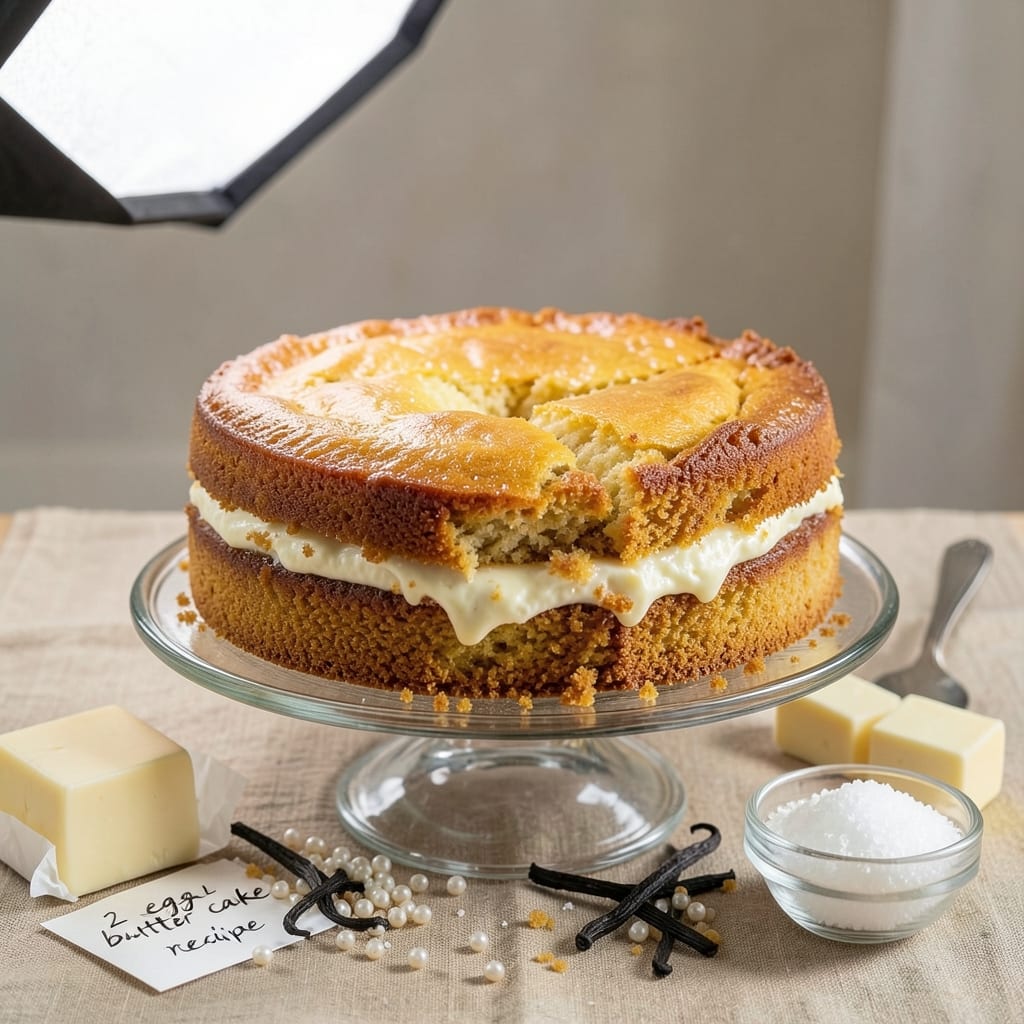
This 2-egg butter cake recipe delivers ultra-moist layers with a velvety crumb and rich vanilla frosting that drizzles like rivers between each slice. The secret lies in the perfect balance of butter and eggs—just two eggs create tender layers without heaviness, while generous butter ensures that signature melt-in-your-mouth texture. I’ve baked this cake countless times for gatherings, and it never fails to disappear quickly, leaving only crumbs on plates.
The recipe relies on a foolproof technique that eliminates common baking pitfalls like cracking or dryness. High heat in the oven creates a golden crust while keeping the interior impossibly tender, and the frosting—made with the same butter and vanilla as the cake—binds effortlessly, creating those coveted "rivers" that make every bite feel indulgent. No special equipment is needed, just patience and a few key steps to ensure success.
What sets this cake apart is its versatility—serve it at birthdays, holidays, or even as an afternoon treat. The frosting’s smooth texture and vanilla depth complement the cake’s buttery richness, while the moist crumb ensures each slice stays fresh for days. Whether you’re a seasoned baker or just starting out, this recipe delivers restaurant-quality results with minimal effort.
Once you try this 2-egg butter cake, you’ll understand why it’s a staple in home bakeries. The combination of simplicity and luxury makes it perfect for any occasion, and the tips included will help you troubleshoot common issues like cracking or uneven baking. Let’s get started—your taste buds will thank you.
Ingredients for 2 egg butter cake
Buttery richness meets velvety crumb—just twelve ingredients for restaurant-worthy cake.
| Ingredient | Amount | Notes |
|---|---|---|
| Unsalted Butter 🧈 | 1 cup | Softened to room temperature |
| Granulated Sugar 🍚 | 1 ½ cups | White or light brown preferred |
| All-Purpose Flour 🌾 | 2 cups | Sifted, spooned and leveled |
| Large Eggs 🥚 | 2 whole | Room temperature for even baking |
| Pure Vanilla Extract 🌿 | 1 tbsp | High-quality, not imitation |
| Baking Powder 🍞 | 1 ½ tsp | Freshly opened for best rise |
| Salt 🧂 | ½ tsp | Fine sea salt preferred |
| Milk 🥛 | ½ cup | Whole milk for richness |
| Heavy Whipping Cream 🥛 | ½ cup | Full-fat for frosting stability |
| Powdered Sugar 🍚 | 3 cups | Sifted for smooth frosting |
| Vanilla Bean Paste 🌿 | 1 tsp | For extra vanilla depth |
| Unsalted Butter 🧈 | ½ cup | Cold, cubed for frosting |
The butter here is non-negotiable—European-style unsalted like Plugrá or Land O'Lakes makes all the difference. Room temperature is key; if it's too cold, the cake will be dense. I always grab extra butter for the frosting—Trader Joe's sells it in bulk for better value. The vanilla extract? Nielsen-Massey or McCormick pure extract delivers that authentic flavor. Flour matters too—King Arthur or Gold Medal work best when sifted to avoid lumps. For the milk, whole is ideal, but 2% works in a pinch—just don’t use skim.
No vanilla bean paste? Double the extract—it’s a game-changer for that professional depth. Substituting powdered sugar? Granulated sugar plus 1 cup cornstarch mimics texture, but the frosting won’t be as smooth. For the frosting, if you’re avoiding dairy, coconut cream whipped with powdered sugar works surprisingly well. The heavy cream must be cold when whipping—chill the bowl and beaters first. And if your cake cracks? Brush warm layers with simple syrup before frosting to seal in moisture.
Store cake layers wrapped in plastic at room temperature for 2 days or freeze for 3 months. The frosting? Keep it refrigerated and whip briefly before using to restore fluffiness. For parties, assemble the cake a day ahead—flavors meld beautifully. Leftovers? Toast slices lightly to revive texture. And if you’re feeling fancy, dust with powdered sugar before serving—those rivers of frosting deserve the spotlight.
Why You'll Love This Recipe
- Two Eggs, Big Payoff: I swear by this recipe when I’m craving cake but only have two eggs. The butter-to-flour ratio makes it ridiculously tender—no dry crumbs here—while the sugar caramelizes just enough to give it that golden, buttery sheen. Honestly? It’s the kind of cake that disappears in slices, not leftovers.
- Vanilla Butter Magic: That pure vanilla extract isn’t just a sprinkle—it’s the star. The butter melts into the flour so thoroughly, every bite tastes like a warm hug from a bakery, but with half the effort. (Yes, even on a Tuesday night.) The eggs bind it just right, so it’s moist without being dense.
- Crowd-Pleaser Flex: This cake is my go-to for birthdays, potlucks, or when I need dessert now. It bakes in one pan, so I can double the batter for a sheet cake or cupcakes—no fuss. My kids pick out the vanilla swirls first, but they’ll still fight over the last slice.
- Budget-Friendly Indulgence: Two eggs, a stick of butter, and a handful of sugar? That’s it. No specialty flours or pricey mix-ins here. The recipe stretches my grocery budget, and the leftovers stay fresh for days wrapped in parchment. Between us, I’ve made this cake for under $5 total—yet it tastes like a splurge.
Step-by-step instructions for 2-Egg butter cake
Here's how to create layers of velvety moisture with that signature vanilla frosting that pools like rivers.
Cream the Butter and Sugar to Light and Fluffy
In a stand mixer fitted with the paddle attachment, beat the 1 cup unsalted butter (softened to room temperature) and 1.5 cups granulated sugar on medium speed for 3-4 minutes. You're looking for a pale, lightened mixture that nearly doubles in volume. This creaming process incorporates air, which creates that signature tender crumb in your cake.
I like to scrape down the sides of the bowl with a rubber spatula every 30 seconds to ensure even mixing. The butter should be completely smooth with no graininess, and the mixture should leave a ribbon trail when you lift the paddle. This is your signal that the fat and sugar have emulsified properly for maximum moisture in the final cake.
Add Eggs and Vanilla for Richness
Add the 2 whole large eggs (room temperature) one at a time, mixing on low speed for 30 seconds after each addition. This gradual incorporation prevents the eggs from scrambling. Then add the 1 tablespoon pure vanilla extract and 1 teaspoon vanilla bean paste, mixing just until combined.
The vanilla bean paste adds that extra depth of flavor that separates homemade from store-bought. Here's the thing—don't overmix after adding the vanilla. Just until combined is all you need. Overmixing develops gluten and can make your cake slightly tougher than that perfect tender texture we're after.
Alternate Dry and Wet Ingredients for Even Moisture
In a separate bowl, whisk together the 2 cups all-purpose flour, 1.5 teaspoons baking powder, and 0.5 teaspoon salt. With the mixer on low speed, add about ⅓ of the flour mixture, then the 0.5 cup milk, then another ⅓ of the flour mixture, and finally the remaining flour. Mix just until the dry ingredients are incorporated.
This alternating method prevents gluten development while ensuring even distribution of leavening. The milk adds moisture without making the batter too wet. Stop mixing as soon as you see no more flour streaks—overmixing is the enemy of that tender crumb we want. The batter should be smooth but slightly thick, like heavy pudding.
Bake in Two Layers for Perfect Rise
Divide the batter evenly between two 8-inch round cake pans lined with parchment paper. Smooth the tops with a spatula. Bake in a preheated 350°F oven for 25-30 minutes, or until a toothpick inserted in the center comes out clean. Rotate the pans halfway through baking for even browning.
Don't open the oven during baking—this causes the cakes to sink. You'll know they're done when the tops spring back when gently touched and the edges pull away slightly from the pan. Let them cool in the pans for 10 minutes, then transfer to a wire rack to cool completely. This gradual cooling prevents cracking and ensures even layers for frosting.
Whip the Frosting for Silky Rivers
In a separate bowl, beat the 0.5 cup cold cubed unsalted butter on medium speed until smooth. Gradually add the 3 cups powdered sugar and 0.5 cup heavy whipping cream, mixing on low speed. Increase to high speed and whip for 3-4 minutes until light and fluffy. Add the 1 tablespoon vanilla extract and 1 teaspoon vanilla bean paste, mixing just until combined.
The frosting should be thick enough to hold its shape but still pipe smoothly. If it's too thick, add 1-2 teaspoons milk at a time until you reach the perfect consistency. Here's the secret—let the frosting sit at room temperature for 10 minutes before piping. This makes it easier to work with and creates those beautiful rivers when spread between layers.
Assemble and Chill for Ultimate Moisture
Place one cake layer on a plate and spread about ½ cup frosting evenly over the top. Repeat with the second layer. Frost the top and sides of the cake with the remaining frosting. For that signature river effect, use an offset spatula to create swirls and drag some frosting toward the edges.
Chill the cake in the refrigerator for at least 2 hours before serving. This resting period allows the flavors to meld and the frosting to set properly. The cake will be moist and rich, with that perfect balance of tender crumb and sweet vanilla frosting that pools beautifully between slices.
Pro Tips For Making 2 Egg Butter Cake
- Cream Butter First: DESCRIPTION:
- Whisk Eggs Separately: DESCRIPTION:
- Don’t Overmix the Flour: DESCRIPTION:
- Bake Until Slightly Under: DESCRIPTION:
Regional styles of these flavors
Southern Comfort
In the American South, this butter cake takes on a slightly denser texture, often baked in a 9x13-inch pan instead of layers. The frosting gets a lemon or bourbon twist—add 1 tablespoon lemon zest or 1 tablespoon bourbon to the frosting for depth. Southern bakers also love dusting the finished cake with powdered sugar right before serving, creating that iconic "snowed" look. 🧈
New England Twist
Up north, this cake often incorporates 1 teaspoon cinnamon into the batter for warmth, and the frosting gets a maple syrup drizzle. New Englanders also prefer a darker, slightly crisp crust, achieved by brushing the pans with melted butter before baking. Serve with a side of whipped cream or apple compote for a traditional touch.
European Elegance
Across the pond, this cake transforms into a light, airy sponge with whipped egg whites folded into the batter. The frosting becomes a vanilla buttercream piped in intricate rosettes, and the cake is often dusted with edible gold leaf for special occasions. French bakers might add 1 tablespoon rum to the frosting for sophistication.
Midwest Homestyle
The Midwest keeps it classic but adds 1 teaspoon vanilla bean seeds scraped from the pod into the batter for extra flavor. The frosting is often colored with natural food dyes (like turmeric for yellow) and served with fresh berries in summer. Many families bake this cake in square pans for easy slicing and sharing.
Modern Fusion
For a contemporary twist, try matcha powder (replace 1 teaspoon vanilla with 1 teaspoon matcha) in the batter and a white chocolate ganache frosting. Or swap the butter for coconut oil (use 1 cup total) for a dairy-free version. Top with toasted coconut flakes or crushed pistachios for texture contrast. 🌱
Holiday Variations
For Christmas, add 1 teaspoon orange zest and ½ teaspoon nutmeg to the batter, then frost with cream cheese glaze and decorate with red and green sprinkles. For Easter, use pastel-colored sprinkles and a lemon glaze. These regional twists keep the cake fresh year-round while staying true to its buttery roots.
Nutrition facts
Frequently asked questions
Why does this recipe use only 2 eggs?
Two eggs create the perfect balance of moisture and structure without making the cake dense. The butter and milk in the recipe compensate for the reduced egg volume, ensuring a tender crumb. This approach also makes the batter easier to mix by hand if you don't have a stand mixer.
Can I make this cake without a stand mixer?
Use a hand mixer or even a sturdy whisk. Cream the butter and sugar by hand for 5-7 minutes until light and fluffy. For the frosting, whisk the butter and powdered sugar vigorously for 3-4 minutes until smooth. The key is patience—just keep mixing until you see the volume increase.
What's the secret to preventing cracks?
Cracks usually happen when the cake cools too quickly. Let the cakes cool in their pans for 10 minutes before transferring to a wire rack. Also, avoid overmixing the batter—just until combined prevents gluten development. If cracks appear, brush the cooled layers with simple syrup before frosting to seal them.
How do I adjust this for a single layer cake?
Use a 9-inch round pan and bake for 25-30 minutes at 350°F. The batter quantity remains the same, but you'll need about 1.5 cups frosting to cover the top and sides. For extra height, chill the cake for 30 minutes before adding the frosting to help it hold better.
Can I substitute the butter with oil?
Not recommended for this recipe—the butter creates the signature tender crumb and rich flavor. However, if you must, use ½ cup melted butter plus ½ cup vegetable oil. The texture will be slightly denser, but still delicious. For the frosting, keep the butter as written for the best consistency.