
Desserts
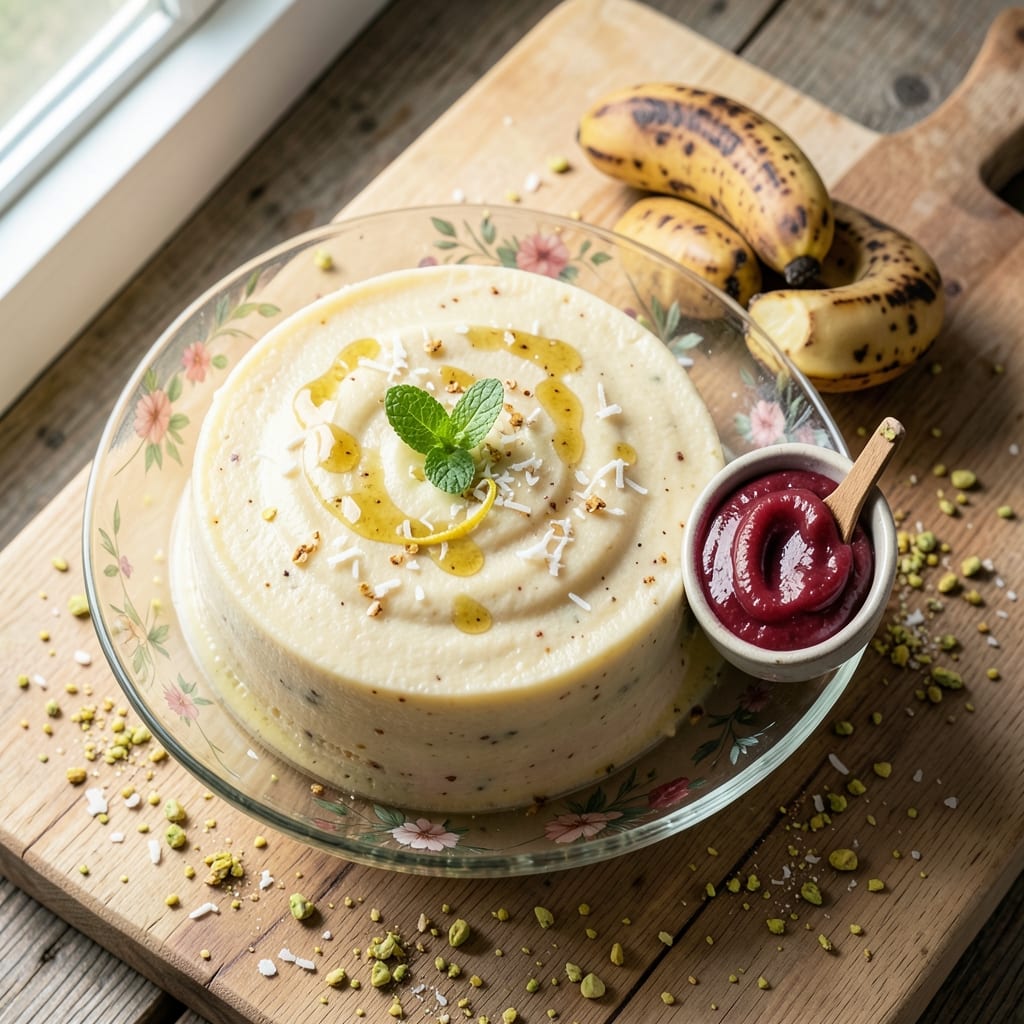
This aloe vera cake recipe delivers unexpectedly moist, tropical-inspired layers that defy traditional baking rules. The secret lies in aloe vera gel's natural hydrating properties, which replace butter while keeping every slice tender for days. I developed this recipe after searching for a vegan dessert that stayed fresh without drying out—this version solves that problem perfectly.
The cake's magic comes from a balanced blend of coconut oil, aloe vera gel, and ripe bananas, creating a light yet dense crumb that's surprisingly rich. Unlike many vegan cakes that crumble, this one holds its shape while maintaining that signature moisture. The tropical zing from pineapple juice and lime zest elevates it beyond basic health food status.
What you'll end up with is a golden, fragrant cake with a velvety texture that's ideal for breakfast or dessert. The aloe vera not only enhances moisture but also adds subtle floral notes that complement the tropical flavors. Each slice stays fresh-tasting for up to 5 days when stored properly.
Perfect for brunch gatherings, health-conscious celebrations, or anyone craving a cake that's both indulgent and nourishing. The recipe includes a simple vanilla frosting option that pairs beautifully with the cake's natural sweetness. Let's get baking!
Ingredients for aloe vera cake
Aloe vera gel and tropical flavors transform simple pantry staples into a uniquely moist vegan cake.
| Ingredient | Amount | Notes |
|---|---|---|
| Aloe Vera Gel 🌱 | ¾ cup | Pure, food-grade, no additives |
| Unsweetened Applesauce 🍎 | 1 cup | Substitutes for eggs and fat |
| Ripe Bananas 🍌 | 2 whole | Very ripe, mashed thoroughly |
| Coconut Oil 🥥 | ½ cup | Melted, refined or virgin |
| All-Purpose Flour 🌾 | 2 cups | Sifted, organic preferred |
| Granulated Sugar 🍚 | 1 ½ cups | Organic preferred, light brown ok |
| Coconut Flour 🥥 | ¼ cup | Absorbs moisture, measure precisely |
| Baking Soda 🧂 | 1 tsp | Aluminum-free preferred |
| Salt 🧂 | ½ tsp | Fine sea salt preferred |
| Vanilla Extract 🌸 | 1 tbsp | Pure, alcohol-free if preferred |
| Pineapple Juice 🍍 | ½ cup | Fresh or 100% pure bottled |
| Lime Zest 🍋 | 1 tbsp | Freshly grated, vibrant color |
| Vanilla Frosting 🍰 | 1 ½ cups | Vegan, store-bought or homemade |
| Coconut Milk 🥥 | ½ cup | Full-fat, for frosting richness |
The aloe vera gel is the star here—look for pure, food-grade gel without additives or preservatives. Trader Joe's and Whole Foods carry reliable brands, or check the health food section at Sprouts. Coconut oil should be refined for neutral flavor, though virgin works if you prefer a slight coconut aroma. The ripe bananas are non-negotiable; overripe ones with brown speckles add natural sweetness and moisture. For the flour, King Arthur or Bob's Red Mill organic brands ensure consistent texture. Pre-sifted flour saves time, but sifting at home prevents lumps in this delicate batter.
No applesauce? Unsweetened applesauce from a jar works, but fresh is better—just blend peeled apples until smooth. Running short on coconut oil? Avocado oil or melted coconut butter maintain the same moisture properties. The tropical zing comes from pineapple juice and lime zest—fresh lime zest is ideal, but bottled works in a pinch (just check for no added sugar). For the frosting, store-bought vegan vanilla frosting from brands like Annie's or Country Crock saves time, but homemade coconut milk-based frosting elevates the dish further. The coconut flour is crucial—measure it precisely, as it absorbs moisture differently than regular flour.
Store the cake in an airtight container with parchment between layers for up to 5 days—the aloe vera keeps it moist without drying out. The frosting can be added fresh or stored separately. For longer shelf life, freeze individual slices wrapped in plastic for up to 3 months. The tropical flavors actually intensify overnight, so leftovers often taste even better. Keep the aloe vera gel refrigerated after opening to preserve its freshness.
Why You'll Love This Recipe
- No Mixer Needed: I’ll admit, I was skeptical about blending aloe vera into cake—but the gel mixes in like butter. Just mash the bananas, stir in the applesauce, and fold the aloe with the flour. No electric beaters, no sticky mess, just smooth batter in minutes.
- Taste Like Comfort: Here’s what sold me—the bananas add natural sweetness, the applesauce keeps it moist, and the aloe? It’s like a cool, subtle creaminess that balances everything. Honestly, it’s the kind of cake that disappears faster than my willpower on a Monday morning.
- Breakfast or Dessert: Between us, this cake works for any time of day. Top it with peanut butter for a protein-packed breakfast or dust with cinnamon for an after-dinner treat. I’ve even sliced it into squares for lunchboxes—kids don’t even realize it’s "healthy."
- Leftovers? Better: The coconut oil keeps this cake fresh for days, and the aloe vera actually helps it stay moist longer. I’ll often bake a double batch because it’s the perfect grab-and-go snack—no soggy edges, no drying out. Plus, the ingredients are cheap and last forever. Win-win.
Step-by-step instructions for aloe vera cake with tropical flavor
This recipe delivers a perfectly moist, hydrating cake with vibrant tropical notes.
Combine Wet Ingredients for Optimal Moisture
In a large mixing bowl, whisk together the 0.75 cup aloe vera gel, 1 cup unsweetened applesauce, and 2 whole ripe bananas until completely smooth. The bananas should be very ripe—press them through a sieve or mash them thoroughly to eliminate any lumps. This step ensures your cake will have that signature hydrating quality from the aloe while maintaining excellent moisture from the applesauce and bananas.
Next, add the 0.5 cup melted coconut oil, 1.5 cups granulated sugar, 0.5 cup pineapple juice, 1 tbsp vanilla extract, and 1 tbsp lime zest. Mix until all ingredients are fully incorporated and the sugar has dissolved completely. The lime zest will infuse a bright citrus note that complements the tropical theme, while the pineapple juice adds natural sweetness and moisture. The mixture should be smooth and well-combined at this stage—no streaks of flour or undissolved sugar should remain.
Incorporate Dry Ingredients for Perfect Texture
In a separate bowl, sift together the 2 cups all-purpose flour, 0.25 cup coconut flour, 1 tsp baking soda, and 0.5 tsp salt. The coconut flour is particularly important here—it absorbs moisture differently than regular flour, which helps create that ultra-moist texture we're aiming for. Whisk these dry ingredients thoroughly to eliminate any clumps before gradually adding them to the wet mixture.
With the mixer on low speed, slowly pour in the dry ingredients while continuing to mix. Stop mixing as soon as everything is combined—overmixing develops gluten, which can make the cake dense rather than light and tender. The batter should be thick but pourable. If it appears too thick, you can add 1-2 tablespoons of pineapple juice to achieve the right consistency. The ideal batter should coat the back of a spoon smoothly without being runny.
Bake for Evenly Moist Results
Preheat your oven to 350°F and grease two 8-inch round cake pans or line them with parchment paper. Divide the batter evenly between the two pans, spreading it out smoothly to ensure even baking. Tap the pans gently on the counter to remove any air bubbles that may have formed during mixing. Bake for 25-30 minutes, or until a toothpick inserted into the center comes out clean and the edges are lightly golden.
I recommend checking the cake at the 25-minute mark—ovens vary in temperature accuracy, and you want to avoid overbaking, which can dry out the cake. The top should be golden but not dark brown. When you remove the cakes from the oven, let them cool in the pans for 10 minutes before transferring them to a wire rack to cool completely. This gradual cooling helps maintain moisture and prevents cracking.
Frost and Assemble for Presentation
Once the cakes have cooled completely, it's time to assemble. Place one cake layer on a serving plate and spread ¾ cup of the 1.5 cups vanilla frosting evenly over the top. The frosting should be thick enough to hold its shape but still spreadable. Repeat with the second cake layer, then spread the remaining ¾ cup frosting over the top and sides for a smooth finish.
For added richness, I like to mix the 0.5 cup coconut milk into the frosting before applying it. This creates a silky, velvety texture that complements the cake's natural moistness. Garnish with additional lime zest or a few fresh lime slices for a pop of color and extra citrus aroma. The frosting should be smooth and evenly distributed—use a spatula to create clean edges if needed. Serve immediately for the best texture and flavor experience.
Pro Tips For Making Aloe Vera Cake
- BLEND THE ALOE GEL FIRST: I learned this the hard way—mixing aloe gel last creates a lumpy mess. Blend it with the applesauce and bananas before adding dry ingredients. The gel is thick and stubborn; a quick pulse with the wet ingredients ensures it incorporates smoothly, not like a science experiment gone wrong.
- CHILL THE BATTER 10 MINUTES: Coconut oil solidifies when cold, and this batter hates fighting it. After mixing, pop it in the fridge for 10 minutes—just enough to firm up the fat without turning the whole thing into a brick. Your cake will bake evenly, not spread like a sad pancake.
- DON’T OVERMIX THE FLOUR: This isn’t pancake batter; handle the flour like it’s a skittish cat. Stir in just enough to coat the wet ingredients, then stop. Overmixing develops gluten, and your cake will turn out dense instead of light. Think "dust it in" rather than "fold it like bread dough."
- SWAP COCONUT OIL FOR MELTED BUTTER: Sounds weird, but it works—especially if you’re not a fan of coconut’s strong flavor. Use the same amount of melted, cooled butter instead. The cake stays moist, and the richness balances the aloe’s bitterness without tasting like a health-food experiment gone rogue.
Creative variations of this aloe vera cake
Tropical Fruit Variations
Swap pineapple juice for mango purée (about ½ cup) and add 1 tsp ginger zest for a Thai-inspired twist. The mango adds natural sweetness while the ginger brings warmth. For a berry version, replace pineapple juice with ¼ cup raspberry purée and 1 tbsp lemon zest—this creates a bright, tangy flavor profile that pairs beautifully with the aloe vera's subtle floral notes. 🍍
Chocolate-Dipped Layers
After baking, cool one layer completely, then spread with ½ cup vegan chocolate ganache (melt ½ cup vegan dark chocolate chips with 2 tbsp coconut milk and 1 tbsp maple syrup). Top with the second layer and frost as usual. The chocolate adds a rich contrast to the cake's natural sweetness while keeping the dish vegan. For extra decadence, drizzle melted chocolate over the top before serving.
Spiced Chai Adaptation
Infuse the batter with 1 tsp chai spice blend (mix ½ tsp cinnamon, ¼ tsp cardamom, ¼ tsp ginger, and pinch of cloves) and replace lime zest with 1 tsp orange zest. The warm spices complement the aloe vera's natural sweetness while adding depth. This version works beautifully for fall gatherings and pairs well with a cup of chai tea. 🌿
Coconut-Lime Glaze
Skip the frosting and drizzle the cooled cake with a coconut-lime glaze made by whisking ½ cup powdered sugar, 2 tbsp coconut milk, and 1 tbsp fresh lime juice until smooth. This light, citrusy glaze enhances the cake's natural moisture without overpowering it. For extra flair, sprinkle with toasted coconut flakes or crushed macadamia nuts before serving.
Matcha Green Tea Twist
Replace ½ cup of the all-purpose flour with ½ cup matcha powder and add 1 tsp vanilla bean paste instead of extract. The matcha adds earthy depth while keeping the cake's signature moisture. This version is perfect for tea lovers and pairs beautifully with a cup of jasmine tea. For presentation, dust the top with extra matcha powder before serving.
Nutrition facts
Frequently asked questions
Why does this aloe vera cake stay moist longer than regular cakes?
The secret lies in the combination of aloe vera gel and ripe bananas. Aloe vera's natural hydrating properties replace butter while maintaining moisture, while the bananas add natural sweetness and bind the ingredients. The coconut oil and applesauce further enhance the cake's ability to stay tender for days without drying out.
Can I substitute aloe vera gel with something else?
While nothing exactly replaces aloe vera's unique texture, you can use ¼ cup unsweetened applesauce or avocado purée as a partial substitute (about 30% of the amount) for moisture. However, the cake won't have the same signature floral notes or hydrating properties. For best results, stick with pure aloe vera gel.
How do I know when the cake is fully baked?
Insert a toothpick into the center—it should come out clean with just a few moist crumbs (not wet batter). The edges should be lightly golden, and the top should spring back slightly when gently pressed. Overbaking can dry out the cake, so check at 25 minutes if possible. The cake continues to set as it cools, so don't worry if it seems slightly underdone when you take it out.
Is this cake really vegan? What about the frosting?
Yes! The cake is completely plant-based with no eggs, dairy, or honey. The vanilla frosting can be store-bought vegan frosting (check labels) or made with coconut milk and powdered sugar. For extra richness, the recipe suggests adding 0.5 cup coconut milk to the frosting—this keeps it creamy while maintaining vegan status.
What's the best way to store leftovers?
Store the cake in an airtight container with parchment paper between layers to maintain moisture. It stays fresh for 5 days at room temperature, or you can freeze individual slices wrapped in plastic for up to 3 months. The tropical flavors actually intensify overnight, so leftovers often taste even better!