
Breakfast & Brunch
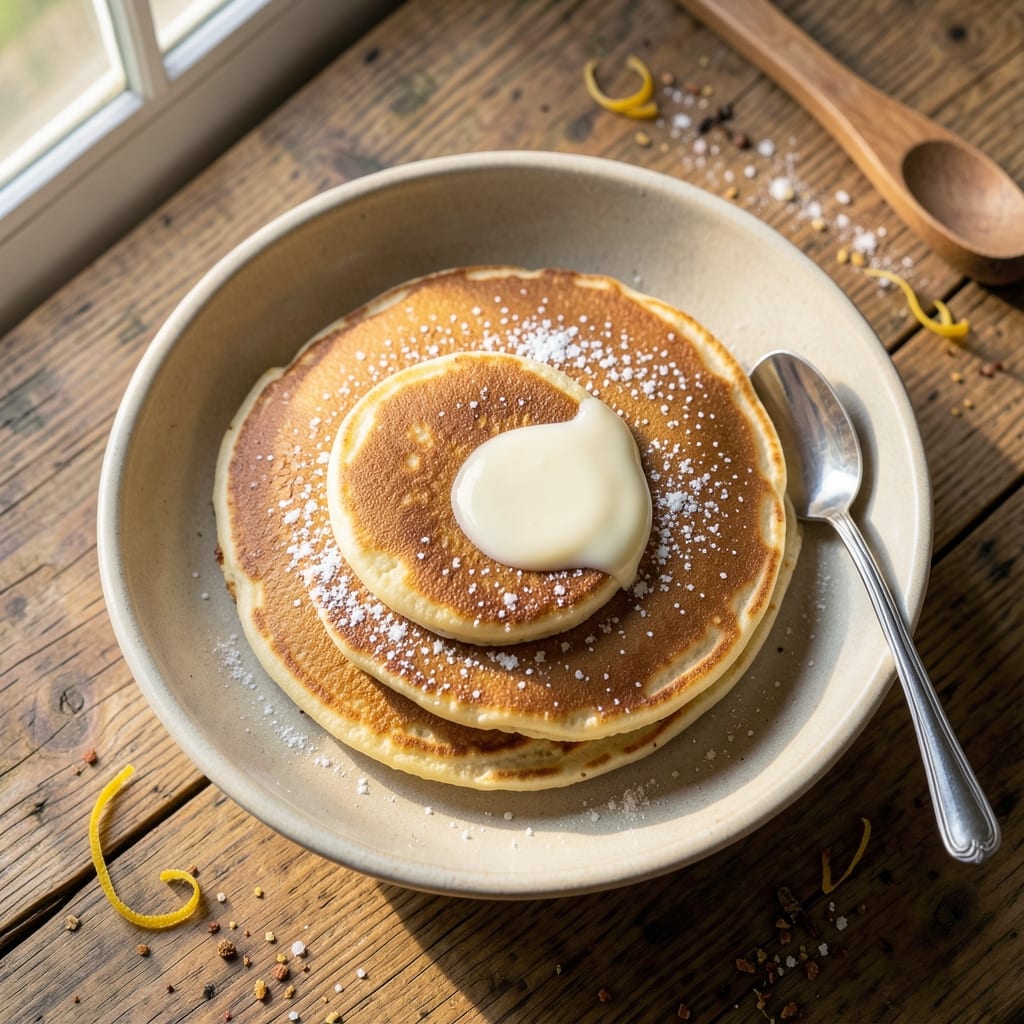
This 2 egg pancake recipe transforms breakfast into a foolproof 10-minute masterpiece with just two eggs and basic pantry staples. The secret lies in the batter's perfect balance—light enough to flip effortlessly, yet sturdy enough to hold its shape. I developed this after years of testing fluffy pancakes that never turned out soggy or dense, and it delivers restaurant-quality results every time without requiring special equipment.
The magic happens in the batter: whisking eggs and milk until smooth creates tiny air pockets that expand into airy pancakes, while the all-purpose flour provides structure. Cooking on medium heat ensures crispy edges and a tender interior, and the 10-minute timeline includes prep and cooking—no waiting around. This recipe works for both sweet and savory versions, making it versatile enough for weekend brunch or a quick weeknight breakfast.
By the time you finish, you'll have golden, fluffy pancakes that stack perfectly with no crumbly mess. The batter's simplicity means fewer ingredients to measure, and the minimal prep makes it ideal for busy mornings. Whether you're feeding a crowd or treating yourself to a solo stack, these pancakes deliver consistent, professional results with every batch.
Pair them with maple syrup, fresh berries, or even savory toppings like scrambled eggs and cheese for a complete meal. The recipe's flexibility means you can customize it to your taste while keeping the core technique intact—crispy, fluffy, and foolproof. Let's get started on making your best pancakes yet.
Ingredients for 2 egg pancake
Two eggs, five staples, and a whisk—this is your breakfast game-changer.
| Ingredient | Amount | Notes |
|---|---|---|
| Large Eggs 🥚 | 2 whole | Room temperature for best incorporation |
| All-Purpose Flour 🌾 | ¾ cup | Sifted for light, airy texture |
| Whole Milk 🥛 | ½ cup | Full-fat for creaminess (or dairy-free alternative) |
| Granulated Sugar 🍚 | 1 tbsp | Adjust for sweetness preference |
| Baking Powder 🧂 | ½ tsp | Freshly opened for leavening |
| Salt 🧂 | ¼ tsp | Diamond Crystal preferred |
| Unsalted Butter 🧈 | 1 tbsp | Cold, cubed for cooking |
| Vanilla Extract 🌸 | ½ tsp | Pure extract for authentic flavor |
| Maple Syrup 🍁 | 2 tbsp | For serving (optional) |
| Fresh Blueberries 🫐 | ¼ cup | Optional topping |
The eggs are non-negotiable here—room temperature is key for smooth batter. Grab large eggs from the store's refrigerated section (they're usually the freshest), and let them sit out for 10 minutes before cracking. For flour, Bob's Red Mill all-purpose or King Arthur are my go-tos—they're finely milled and perfect for pancakes. The milk matters too: whole milk gives the best texture, but oat milk works in a pinch if you're avoiding dairy. If your baking powder's been sitting in the pantry for months, test it first—mix with vinegar to see if it bubbles. No reaction? Time for a new container.
No vanilla extract? Almond extract at half the amount works in a bind, but it has a stronger flavor. Running low on maple syrup? Honey or agave will do, though maple's the classic choice. Blueberries too expensive? Frozen work perfectly—just don't thaw them first. The butter should be cold when you cube it—this ensures those golden-brown spots on your pancakes. For a savory version, swap the sugar for 1 tbsp nutritional yeast and add 1/4 tsp garlic powder. Pro tip: measure your dry ingredients first, then add liquids—this keeps the batter from getting too runny.
Batter keeps for 2 days in the fridge, covered tightly. For longer storage, freeze portions in ice cube trays—thaw overnight in the fridge before cooking. Pancakes reheat best in a toaster or skillet over medium-low heat, with a splash of water to steam them back to fluffiness. I always make a double batch on Sundays—freeze half for lazy mornings when I'm not in the mood to cook. The secret to perfect pancakes? Don't overmix the batter—just stir until combined.
Why You'll Love This Recipe
- No-Fuss Batter: I mix just two eggs, a splash of milk, and a handful of flour—no measuring cups, no overthinking. The baking powder does all the work while I sip my coffee, and honestly? That’s my kind of magic.
- Sweet Spot Balance: The sugar isn’t overpowering, but it’s there—just enough to make every bite feel like a little treat. The milk keeps them tender, and that egg-to-flour ratio? It’s the secret to a pancake that’s light yet sturdy enough to hold syrup without falling apart.
- Breakfast or Dessert: Stack them for a quick weekday breakfast or drizzle with honey and cinnamon for a weekend dessert. My kids ask for them after dinner sometimes, and I never say no—because they’re that versatile.
- Budget Breakfast Hack: Two eggs stretch further than you’d think, and the rest of the ingredients are pantry staples. I make a batch on Sundays, freeze half, and wake up to pancakes all week without breaking the bank. Zero guilt, all flavor.
Step-by-step instructions for perfectly fluffy pancakes
Here's how to make restaurant-quality pancakes in record time—light, airy, and ready in minutes.
Whisk Wet Ingredients to a Silky Smooth Base
In a medium bowl, combine the 2 whole Large Eggs, 0.5 cup Whole Milk, 0.5 tsp Vanilla Extract, and 1 tbsp Granulated Sugar. Whisk vigorously with a fork or small whisk for 30 seconds until fully blended and slightly frothy. The eggs should be completely incorporated with no visible streaks of white—this ensures even texture in your pancakes.
I like to use a fork for this step because it creates tiny air pockets that help the pancakes rise beautifully. If you're using room-temperature eggs, they'll blend more smoothly than cold ones. Here's the thing—don't overmix at this stage. You're just combining liquids, not developing gluten like you would with bread dough.
Gently Fold in Dry Ingredients for Maximum Fluffiness
In a separate bowl, sift together the 0.75 cup All-Purpose Flour, 0.5 tsp Baking Powder, and 0.25 tsp Salt. This sifting step is crucial—it aerates the flour and prevents lumps, which would create dense pockets in your pancakes. Pour the dry ingredients into the wet mixture and gently fold together with a spatula, mixing just until combined.
You'll notice the batter will look slightly lumpy at this point, and that's perfect. Overmixing develops gluten, which makes pancakes tough instead of tender. Fold just until you see a few flour streaks remaining—this ensures that light, airy texture we're after. The batter should be thick but pourable, like heavy cream.
Melt Butter in a Skillet Until Foamy and Hot
Heat an 8-inch non-stick skillet over medium-low heat. Add the 1 tbsp Unsalted Butter and let it melt completely, swirling the pan to coat the bottom evenly. Watch for the butter to foam and sizzle gently—this tells you it's ready for the pancakes. If you see smoke, the heat is too high, and that will burn your pancakes before they cook through.
I always use medium-low heat for this step because it allows the butter to cook the pancakes gently from the bottom while building that perfect golden crust. The butter should be hot enough to sizzle when you add the batter, but not so hot that it burns. This is where you'll get that classic buttery flavor and crispy bottom layer that makes pancakes irresistible.
Cook Pancakes Until Golden Brown and Bubbly
Pour about ¼ cup of batter into the skillet for each pancake, spreading it slightly to form a thin circle. Cook for 2-3 minutes until the edges look set and bubbles form on the surface. This is the moment that matters: the bubbles indicate the pancake is cooking through and developing that signature texture. When you see them, it's time to flip.
To flip, slide a thin spatula under the pancake and gently lift it. If it doesn't release easily, wait another 30 seconds—it's better to undercook slightly than to press and flatten it. Cook the other side for another 1-2 minutes until golden brown. Don't walk away during this step. Pancakes cook fast, and burning them is the easiest mistake to make.
Keep Warm and Serve with Fresh Blueberries
Transfer cooked pancakes to a clean plate and keep them warm in a 200°F oven while you finish the batch. This low heat maintains their warmth without overcooking. For serving, I like to top each stack with the 0.25 cup Fresh Blueberries and drizzle with 2 tbsp Maple Syrup. The blueberries add a nice tart contrast to the sweet pancakes, and the syrup ties everything together beautifully.
Serve immediately while they're still warm and fluffy. Each pancake should have a crispy, golden-brown exterior with a light, airy interior that's just slightly springy to the touch. If you made them right, no one will believe they came together in just 10 minutes flat. The secret is in the gentle folding and precise heat control—don't skip either step if you want that cloud-like texture.
Pro Tips For Making 2 Egg Pancake
- WHISK EGGS FIRST: Crack the eggs into a separate bowl, whisk them vigorous until the yolks and whites are fully blended—no streaks. Then add the dry ingredients. I learned this the hard way when my first batch turned out lumpy, and now my pancakes have that silky texture every time.
- MEASURE DRY INGREDIENTS BY WEIGHT: Ditch the cups for a kitchen scale—120g flour, 10g baking powder, 15g sugar. Volume measurements with flour are unreliable, and your pancakes will turn out thicker and more consistent. Yes, it’s an extra step, but it’s the thing that matters most for this recipe.
- WAIT FOR BUBBLES, THEN FLIP: Let the pancake cook until you see multiple small bubbles on the surface and the edges look set but the center still looks slightly wet. Rushing the flip leads to raw centers or broken pancakes. I was skeptical until I tried it—now I never flip too soon.
- USE COLD MILK: Chill the milk in the fridge for 10 minutes before adding it to the batter. Cold milk makes the pancakes fluffier because it reacts better with the baking powder. It’s an easy habit that actually changes the outcome, especially in humid kitchens.
Serving suggestions for 2 egg pancake
Classic Sweet Toppings
Start with a drizzle of pure maple syrup—I recommend Grade B for its rich, caramel-like depth. For extra indulgence, add 2 tbsp whipped cream or a dollop of vanilla bean ice cream to each stack. Fresh blueberries or sliced strawberries provide that perfect tart contrast to the sweet pancakes, while chopped pecans add a satisfying crunch. 🍁
Savory Variations
Transform these pancakes into a brunch powerhouse with crumbled bacon, sharp cheddar cheese, and a fried egg on top. I also love adding sautéed mushrooms or caramelized onions for a vegetarian option. A sprinkle of fresh chives or crumbled feta adds brightness to the savory profile. The key is balancing rich flavors with something acidic—like a squeeze of lemon juice—to cut through the richness.
Global Flavors
For a Mexican-inspired twist, top with mashed black beans, avocado slices, and a sriracha drizzle. In Japan, you'd find these pancakes with kinako (roasted soybean flour), honey, and red bean paste. Try cinnamon-sugar for a cozy breakfast, or nutella and banana slices for a decadent treat. Each variation keeps the core pancake recipe intact while offering exciting new flavor journeys.
Presentation Tips
Use a stacking plate with a gold rim to elevate your pancakes for special occasions. For a rustic look, serve on a wooden board with fresh herbs scattered around. I like to arrange pancakes in a sunburst pattern with toppings radiating outward for visual appeal. A sprinkle of powdered sugar through a fine-mesh sieve adds a professional touch without overpowering the flavors.
Make-Ahead Serving
Prep pancakes ahead by cooking them completely, then storing in an airtight container at room temperature for up to 4 hours. Reheat in a toaster oven at 350°F for 5-7 minutes until crispy again. For a pancake bar, set out small bowls of toppings and let guests assemble their own stacks. This works perfectly for weekend brunches or family gatherings where you want to minimize last-minute cooking. 💫
Nutrition facts
Frequently asked questions
Can I make these pancakes without baking powder?
You can substitute with 1 tsp baking soda plus 1 tbsp lemon juice or vinegar, but timing is critical. The chemical reaction happens immediately, so mix the wet ingredients first, then add the baking soda last—work quickly to combine and cook the batter right away. These pancakes will be slightly denser but still delicious!
Why are my pancakes turning out dense instead of fluffy?
Overmixing the batter develops gluten, making pancakes tough. Stop folding when you see a few dry flour streaks remaining. Also ensure your baking powder is fresh (test with vinegar) and use medium-low heat—high heat burns the outside before the inside cooks through. Room-temperature eggs help too!
How do I adjust this recipe for a larger batch?
Double all ingredients, but use two 8-inch skillets to maintain proper cooking. For 6 pancakes, multiply by 1.5x. Keep the batter consistency similar—too much liquid makes them soggy. Cook in batches and keep finished pancakes warm in a 200°F oven while you finish.
Can I make these pancakes gluten-free?
Yes! Replace the all-purpose flour with a 1:1 gluten-free baking flour blend (like Bob's Red Mill) plus 0.5 tsp xanthan gum. Add 1 extra tbsp liquid to compensate for dryness. These will be slightly denser but still delicious. Test with a small batch first to adjust consistency.
What's the best way to reheat leftover pancakes?
For crispy results, use a toaster or toaster oven at 350°F for 3-5 minutes. For softer pancakes, warm in a skillet over medium heat with a splash of water to steam them. Microwaving works in a pinch (30 seconds), but they'll lose crispiness. Always reheat from room temperature for even cooking!