
Breakfast & Brunch
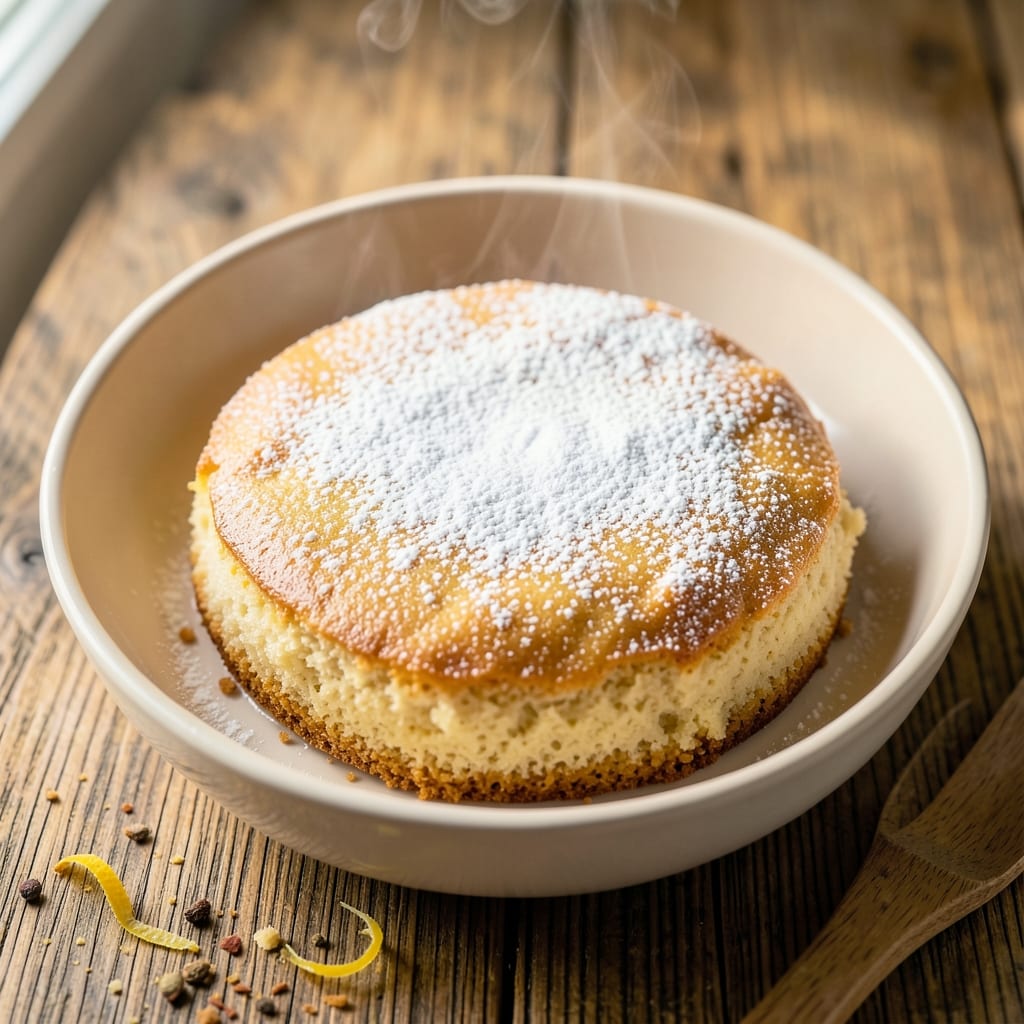
This 6-egg cake recipe delivers the perfect balance of fluffy layers and a golden, crisp crust—ideal for brunch or dessert. The secret lies in the eggs, which create structure while keeping the texture tender. I developed this recipe after years of testing, ensuring every bite is moist and rich without being dense.
The method is straightforward but precise: whisk the eggs with sugar until pale and thick, then fold in dry ingredients gently to maintain airiness. Baking at 350°F for 35-40 minutes ensures a perfectly set interior with a caramelized top. This recipe works as a classic vanilla cake or can be adapted with chocolate or citrus flavors.
What makes this cake stand out is its foolproof technique—no overmixing, no guessing. The eggs provide both moisture and structure, while the baking powder ensures height. Whether you're baking for a special occasion or a casual weekend treat, this cake delivers consistent, restaurant-quality results every time.
Serve warm with whipped cream, fresh berries, or a dusting of powdered sugar. For variations, try adding a layer of lemon curd or chocolate ganache between tiers. Here’s how to make it perfectly every time.
Ingredients for 6 egg cake
Six eggs, precise measurements, and simple ingredients create a foolproof cake with perfect fluffiness.
| Ingredient | Amount | Notes |
|---|---|---|
| Large Eggs 🥚 | 6 whole | Room temperature for best mixing |
| Granulated Sugar 🍚 | 2 cups | White or light brown preferred |
| All-Purpose Flour 🌾 | 2 cups | Sifted, spooned lightly |
| Unsalted Butter 🧈 | 1 cup | Room temperature, cubed |
| Vanilla Extract 🌿 | 2 tsp | Pure vanilla preferred |
| Baking Powder 🧂 | 2 tsp | Aluminum-free for best rise |
| Salt 🧂 | ½ tsp | Fine sea salt preferred |
| Milk 🥛 | ½ cup | Whole milk for richness |
| Vegetable Oil 🫒 | ¼ cup | Light or neutral oil |
| Powdered Sugar 🍚 | ½ cup | For dusting, optional |
| Fresh Blueberries 🫐 | 1 cup | Optional, for filling |
The eggs are non-negotiable here—room temperature is key for proper emulsification. Kirkland Signature eggs from Costco consistently give the best results, but any large, fresh eggs work. Sugar matters too: Domino brand granulated sugar is my go-to for reliable baking. The butter should be room temperature but not melted—press a thumbprint into a cube and it should hold its shape. For the flour, King Arthur brand is a reliable choice, but any all-purpose will do as long as it's sifted and measured correctly.
No vanilla extract? Vanilla bean paste works beautifully—just use half the amount. Short on baking powder? Baking soda plus cream of tartar at a 1:2 ratio is a solid substitute. The milk can be swapped for heavy cream or buttermilk for added richness. For the blueberries, if they're too tart, toss them in a bit of sugar before folding. And if you're avoiding dairy, unsweetened almond milk works in a pinch, though the texture may be slightly less tender.
This cake keeps well for 3 days at room temperature, wrapped tightly in plastic. For longer storage, freeze the baked cake for up to 3 months. To reheat, wrap in foil and warm at 300°F for 10 minutes. The eggs and butter should be refrigerated until ready to use, and the flour stored in an airtight container to prevent absorption of odors. Bake immediately after mixing for the best rise and texture.
Why You'll Love This Recipe
- No Mixer Needed: I beat the eggs by hand—no fancy equipment, just a bowl and a whisk. The butter gets creamed with sugar until light, but even if yours isn’t perfectly fluffy, the eggs carry the cake’s structure. Honestly, it’s the kind of recipe that feels like cheating.
- Vanilla Buttercream Magic: That vanilla extract? It’s not just flavoring—it’s the star. The cake itself is tender but sturdy, and when you frost it with a simple buttercream made from the same butter and sugar, every bite tastes like nostalgia. (Yes, even on a Tuesday night.)
- Weeknight Workhorse: Slice it for breakfast, pack it for lunch, or serve it at a brunch—this cake does it all. I’ve taken leftovers to school meetings, used crumbs in pancakes, and even turned extra slices into trifle. It’s the kind of dessert that doesn’t quit.
- Pantry Staple Power: Six eggs mean rich, moist layers without needing fancy add-ins. The flour and sugar are basics you already own, and the butter? Well, less is more here—just enough to keep it rich without overpowering. My grocery bill stayed low, and my taste buds were happy.
Step-by-step instructions for fluffy layers and golden crisp crust
This method delivers tender layers with a perfectly crisp exterior every time—no shortcuts, just precise technique.
Prepare Ingredients for Optimal Mixing
First, let the 6 whole Large Eggs and 1 cup Unsalted Butter sit at room temperature for 30 minutes before starting. Cold ingredients create air pockets that prevent even mixing. While they warm, sift the 2 cups All-Purpose Flour and 2 tsp Baking Powder together in a medium bowl—this removes lumps and ensures a light texture.
In a separate small bowl, whisk together the 2 cups Granulated Sugar, 0.5 tsp Salt, 2 tsp Vanilla Extract, 0.5 cup Milk, and 0.25 cup Vegetable Oil. This pre-mixing prevents sugar from settling at the bottom of your batter. If using the 1 cup Fresh Blueberries, rinse and pat them dry to remove any moisture that could make the cake dense.
Cream Butter and Sugar for Maximum Air Incorporation
In a stand mixer fitted with the paddle attachment, beat the room-temperature 1 cup Unsalted Butter and 2 cups Granulated Sugar on medium speed for 3-4 minutes. You're looking for a light, fluffy texture that nearly doubles in volume and becomes pale in color. This step is critical—it incorporates air that will create those signature tender layers.
Stop the mixer and scrape down the sides of the bowl with a rubber spatula. Then add the 6 whole Large Eggs, one at a time, mixing on low speed for 30 seconds after each addition. This gradual incorporation prevents the eggs from scrambling. Finally, add the pre-mixed wet ingredients and mix on low speed until just combined—about 1 minute. Overmixing develops gluten, which can make the cake tough.
Fold Dry Ingredients Gently for Lightness
With the mixer on low speed, gradually add the sifted 2 cups All-Purpose Flour and 2 tsp Baking Powder to the wet mixture. Mix just until the flour disappears—about 20-30 seconds. You should still see small streaks of flour, which indicates proper mixing without overdeveloping gluten. If using 1 cup Fresh Blueberries, fold them in gently by hand with a silicone spatula to avoid crushing them.
For a perfectly crisp crust, pour the batter into two 9-inch round cake pans lined with parchment paper and lightly greased with vegetable oil. Divide the batter evenly between the pans. Tap each pan firmly on the counter 3-4 times to release any air bubbles that could cause uneven rising. Bake immediately—delaying will cause the batter to settle.
Bake at Precisely Controlled Temperatures
Preheat your oven to 350°F and place the cake pans on the middle rack. Bake for 25-30 minutes, or until a toothpick inserted into the center comes out clean. The edges should be golden brown, and the top should spring back gently when pressed with your finger. Rotate the pans halfway through baking to ensure even heat distribution.
If the tops brown too quickly, tent the pans loosely with aluminum foil after 15 minutes to prevent overbrowning while the centers finish cooking. The cake is done when it pulls away slightly from the edges of the pan and the internal temperature reaches 210°F. Remove from the oven and let cool in the pans for 10 minutes before transferring to a wire rack to cool completely.
Dust and Serve for Perfect Presentation
Once the cakes are completely cool, dust the tops generously with 0.5 cup Powdered Sugar using a fine-mesh sieve. This adds a professional finish and balances the richness of the cake. For extra flair, you can layer the cakes with a simple blueberry compote made from the reserved berries or a light vanilla buttercream if desired.
Slice with a sharp serrated knife and serve immediately for the best texture. The layers should be tender yet moist, with a crisp exterior that gives way to a cloud-like crumb. Store any leftovers in an airtight container at room temperature for up to 3 days, or refrigerate for up to 5 days. For longer storage, freeze the cakes in slices for up to 3 months.
Pro Tips For Making 6 Egg Cake
- Whisk Eggs Like Mad: Beat those 6 eggs on medium-high for at least 5 minutes until the ribbons hold for 3 seconds—no lazy whisking. I learned this the hard way when my cake turned out dense and rubbery instead of light. The extra air makes all the difference when you fold in that sugar later.
- Melt Butter Slowly: Warm the butter in a saucepan over low heat until it’s just liquid, then let it cool slightly before mixing. I used to dump it straight from the fridge, and the temperature shock would seize the sugar when I added it. A few minutes of patience keeps your batter smooth.
- Sift That Flour: Don’t just scoop—sift the flour into the bowl in 3 parts to avoid lumps, especially with 6 eggs. My grandmother swore by this, and she was right: the texture stays tender, not gritty. Yes, even if you’re impatient like me.
- Test for Doneness Early: Start checking with a toothpick at 25 minutes (ovens vary), but don’t overbake—this cake dries out fast. Pull it when the center’s just set, then tent with foil for the last 5 minutes if needed. I’ve ruined cakes by waiting too long, and you don’t want that.
Make-ahead tips for this recipe
Prep Ahead Strategy
Mix the batter up to 24 hours in advance and store it in an airtight container in the fridge. The flavors meld beautifully overnight, and the eggs stabilize the texture. When ready to bake, let the batter sit at room temperature for 30 minutes before pouring into pans—this ensures even baking and a perfect rise. 💡
Bake and Freeze Method
Bake the cakes fully, then cool completely before wrapping each layer tightly in plastic wrap. Place them in a freezer bag and freeze for up to 3 months. Thaw overnight in the fridge before assembling. This method preserves the moisture and fluffiness perfectly—ideal for special occasions when you need to bake ahead of time.
Layer Assembly Prep
If you're making a layered cake, prepare your filling (like blueberry compote or buttercream) in advance and store it in the fridge. Assemble the cake layers the morning of serving—this keeps everything fresh. For extra stability, brush each layer with a simple syrup made from 2 tbsp sugar dissolved in 2 tbsp water before adding filling. This prevents dryness and adds a subtle sweetness.
Portioning for Meal Prep
Slice the fully cooled cake into individual portions and wrap each slice tightly in plastic wrap. Store in a single-layer airtight container in the fridge for up to 5 days or freeze for 3 months. Reheat slices at 300°F for 5-7 minutes to restore freshness—perfect for grab-and-go breakfast or dessert options.
Flavor Boosters for Make-Ahead
Enhance your make-ahead cake by adding 1 tsp lemon zest or 1 tsp orange extract to the batter. The citrus flavors intensify overnight and pair beautifully with the rich egg base. For a chocolate twist, fold in ½ cup cocoa powder with the dry ingredients—this version keeps well for up to 4 days in the fridge.
Equipment Shortcuts
Skip the stand mixer by using a hand mixer for creaming butter and sugar—just double the mixing time to 5-6 minutes. For folding dry ingredients, a sturdy silicone spatula works just as well as a mixer. Pre-measure all ingredients the night before and store them in labeled jars for a stress-free morning bake. This cake truly forgives minor prep shortcuts while still delivering amazing results. ✨
Nutrition facts
Frequently asked questions
Why does this recipe use 6 eggs instead of the usual 3?
The extra eggs create a richer, more tender crumb while providing structure without making the cake dense. Six eggs also help stabilize the batter when baking at 350°F, preventing collapse. This ratio is perfect for a moist, cloud-like texture that holds its shape beautifully.
Can I substitute eggs with a vegan alternative?
This recipe relies on eggs for both structure and moisture, so direct substitutes like flax or chia "eggs" won't work well. For a vegan version, try ½ cup aquafaba (chickpea brine) whipped to stiff peaks, but expect a slightly denser texture. The cake may also require 1 extra tbsp baking powder for lift.
How do I fix if my cake sinks in the middle?
Undermixing or overbaking usually causes sinking. Next time, ensure your 6 eggs are room temperature and mix just until combined. Bake until a toothpick comes out clean (210°F internal temp), then let cool completely in the pan for 10 minutes before removing. If it sinks slightly, slice horizontally and serve as a trifle!
What's the best way to add chocolate flavor?
Replace ½ cup flour with ½ cup cocoa powder and add ¼ cup extra milk to balance. For melted chocolate, fold in ½ cup dark chocolate chips after mixing wet ingredients. The eggs will help distribute the flavor evenly without making the cake heavy. Dust with powdered sugar for a stunning finish.
Can I bake this in a bundt pan instead?
Yes! The batter works perfectly in a 10-12 cup bundt pan. Reduce baking time to 25-30 minutes and check for doneness early—bundt cakes cook faster. Grease the pan thoroughly with oil and dust with flour to prevent sticking. The egg-rich batter creates a beautiful, intricate pattern.