
Desserts
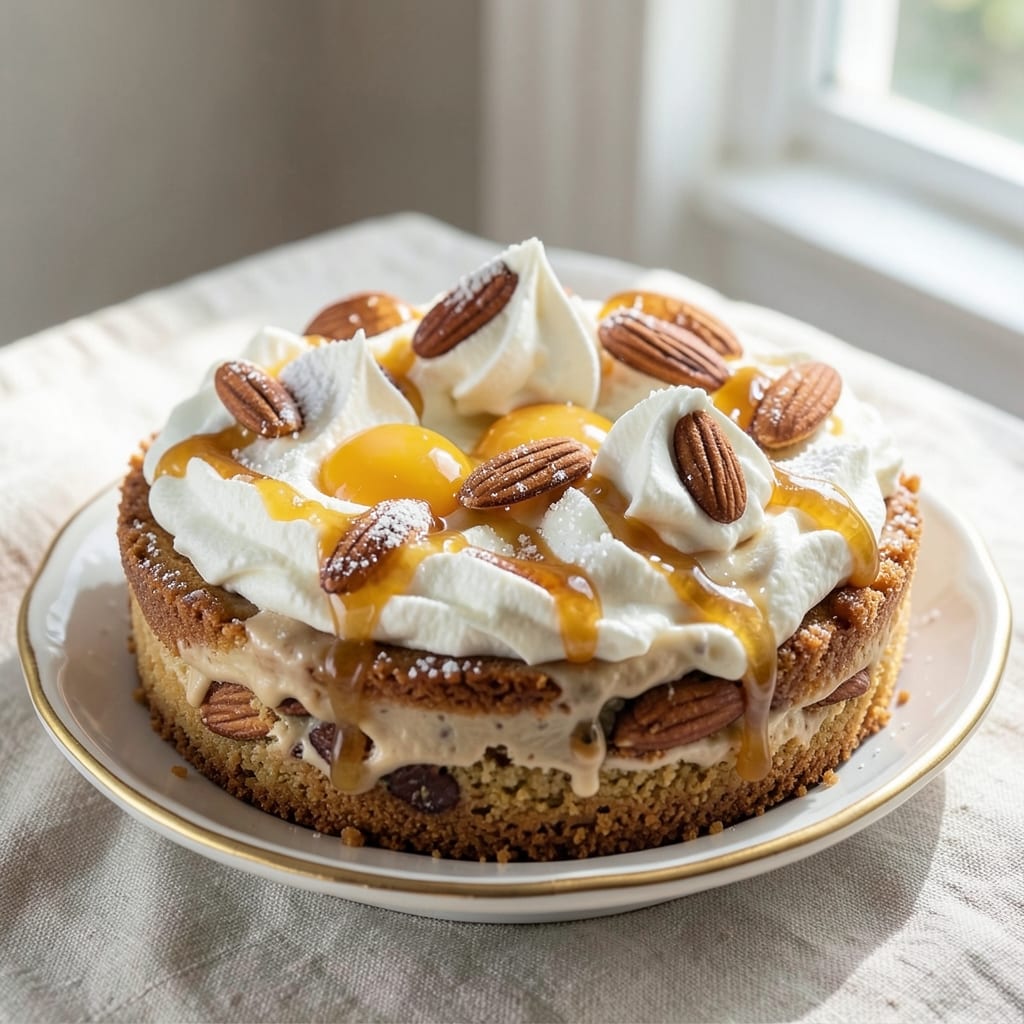
This almond cake filling recipe delivers the perfect balance of nutty richness and velvety moisture that stays fresh for days—ideal for swirling into sponge layers or topping sheet cakes. The secret lies in a precise blend of ground almonds, butter, and sugar that creates a dense yet tender texture, while a touch of vanilla and lemon zest brightens the deep almond flavor. Professional bakers rely on this technique to elevate simple cakes into showstopping desserts without requiring advanced skills.
The filling starts with a simple yet critical step: toasting the almonds for a deeper, more complex flavor before grinding them into a fine powder. This transforms ordinary almonds into aromatic, buttery layers that bind beautifully with the butter and sugar mixture. The recipe includes a foolproof method for achieving the perfect consistency—neither too thick nor too runny—so it spreads evenly and holds its shape when baked or chilled.
What makes this filling truly special is its ability to stay moist for days, resisting dryness that plagues many nut-based fillings. The combination of egg yolks and a splash of heavy cream adds richness while maintaining that signature almond cake tenderness. When used between layers of vanilla sponge or as a topping for pound cake, it creates a dessert that's both elegant and satisfying.
For best results, prepare the filling at least 24 hours ahead to allow flavors to meld fully. It pairs beautifully with citrus-infused cakes or chocolate ganache for added contrast. The recipe scales easily, making it perfect for everything from individual servings to large wedding cakes. Here's how to make it perfectly every time.
Ingredients for almond cake filling
Nine ingredients transform into the creamiest almond cake filling you'll ever make.
| Ingredient | Amount | Notes |
|---|---|---|
| Almonds, Whole 🥜 | 1 ½ cups | Toasted and finely ground |
| Unsalted Butter 🧈 | 1 cup | Cold, cubed for even melting |
| Granulated Sugar 🍚 | 1 ½ cups | Superfine preferred for smooth texture |
| Large Egg Yolks 🥚 | 3 whole | Room temperature for best blend |
| Heavy Cream 🥛 | ½ cup | Full-fat for rich texture |
| Pure Vanilla Extract 🌿 | 1 tbsp | High-quality Madagascar bourbon |
| Lemon Zest 🍋 | 1 tbsp | From organic lemon, finely grated |
| Diamond Crystal Kosher Salt 🧂 | ½ tsp | Fine grain for even distribution |
| All-Purpose Flour 🌾 | ¼ cup | Sifted for smooth filling |
The almonds are non-negotiable here—raw almonds from Trader Joe's toast up beautifully, but any whole almonds work. Toast them in a dry pan over medium heat until golden (about 5 minutes), then grind them into a fine powder using a food processor. No food processor? A coffee grinder does the trick. The butter should be cold when you add it to the sugar—this creates a light, airy texture. I always use Plugrá butter for its high fat content, but any good-quality unsalted butter works. The sugar? Superfine if you can find it, but regular granulated works too—just pulse it in the food processor for a minute to break it down.
No vanilla extract? Vanilla bean paste works perfectly—just use half the amount. Short on lemon zest? Lemon extract at half the amount gets you close, but fresh zest is ideal. The heavy cream adds richness, but full-fat coconut cream works for a dairy-free version. Need to make this ahead? The filling actually improves overnight—flavors meld beautifully. For a richer texture, add an extra tablespoon of butter. The flour is just a stabilizer—don't skip it, but don't overthink it either. If you're using this for a cake, make sure your sponge layers are completely cooled before assembling.
This filling keeps beautifully—5 days in the fridge, covered tightly. For longer storage, freeze it for up to 3 months. I like to portion it into small jars so I can grab just what I need. When using between cake layers, spread it evenly with an offset spatula—this ensures even distribution. If the filling seems too thick after mixing, add a splash of heavy cream. Too thin? Add a bit more ground almonds. The key is patience—let it sit at room temperature for 30 minutes before using, and it'll spread like a dream.
Why You'll Love This Recipe
- No-Fuss Blend: I’ll tell you a secret—this filling comes together in one bowl, no food processor required. Toast the almonds in the same pan you’ll melt the butter, then just toss everything together while it’s warm. That’s it. (Yes, even if you’re the kind of person who burns toast.)
- Velvet Smoothness: The heavy cream and egg yolks give it that luxurious texture—like a cross between a custard and a pastry cream, but with almonds that add a nutty crunch. Honestly, I’ve used this in cakes, tarts, and even stuffed apples, and no one’s ever asked what’s in it.
- Weeknight Magic: Between us, this is my go-to when I need something impressive but fast. Slather it between store-bought cake layers for a fancier dessert in 10 minutes, or use it to fill a single pie crust when I’m too tired to bake from scratch. (It’s my Tuesday night savior.)
- Budget Luxury: Almonds might sound fancy, but a small bag goes a long way—this recipe uses just a handful, and the rest of the ingredients are pantry staples. I’ve made this for brunch with friends, potlucks, and even as a fancy-ish snack with crackers. (Pro tip: Double the batch and freeze half—it keeps for weeks.)
Step-by-step instructions for almond cake filling recipe
This filling delivers that perfect balance of nutty richness and velvety moisture—every bite will be worth the effort.
Toast and Grind the Almonds for Maximum Flavor
Preheat your oven to 350°F and spread the 1.5 cups almonds, whole on a baking sheet in a single layer. Toast them for 8-10 minutes until they're fragrant and just beginning to turn golden. Watch closely—they'll darken quickly, so pull them out as soon as they smell like a bakery.
Transfer the toasted almonds to a food processor and pulse until they're finely ground, resembling coarse sand. You're aiming for texture, not almond butter—stop before it gets too fine, or the filling will be too dense. The nutty aroma should fill your kitchen, signaling you're on the right track.
Cream Butter and Sugar for a Light, Airy Base
In a stand mixer fitted with the paddle attachment, beat the 1 cup unsalted butter (cold and cubed) with the 1.5 cups granulated sugar on medium speed for 3-4 minutes. You're looking for a pale, fluffy mixture that nearly doubles in volume. This step is crucial—it incorporates air that keeps the filling light and prevents a heavy texture.
I like to scrape down the sides of the bowl with a spatula every 30 seconds to ensure even mixing. The butter should be completely melted and the mixture should look like wet sand. If it's still grainy, keep beating—this ensures a smooth, velvety filling instead of one with sugar crystals.
Add Egg Yolks and Cream for Richness
Add the 3 whole large egg yolks (room temperature) one at a time, mixing on low speed for 30 seconds after each addition. Then pour in the 0.5 cup heavy cream and mix until fully combined. The mixture should be thick but pourable—almost like a batter. If it looks too stiff, add 1 tablespoon water to loosen it slightly.
This is where the magic happens—the yolks add structure while the cream keeps everything luscious. The filling should be glossy and smooth, with no visible streaks of egg. If you see any, mix for another 10 seconds to fully incorporate.
Incorporate Flavorings and Flour for Balance
Add the 1 tbsp pure vanilla extract, 1 tbsp lemon zest, and 0.5 tsp diamond crystal kosher salt to the mixture and mix on low speed for 30 seconds until evenly distributed. The lemon zest will brighten the flavor, while the vanilla adds depth. Then sift in the 0.25 cup all-purpose flour and mix just until combined—overmixing develops gluten, which can make the filling tough.
Finally, fold in the ground almonds using a spatula. You want them evenly distributed but still visible—this gives the filling its signature nutty swirls. The mixture should be thick but spreadable, like a rich pastry cream. If it's too dry, add 1-2 teaspoons heavy cream to adjust the consistency.
Test for Moisture and Texture
For the ultimate moisture test, spread a small spoonful of the filling on a plate and let it sit for 5 minutes. It should hold its shape but still feel soft to the touch. If it's too firm, whisk in 1 tablespoon heavy cream to loosen it. If it's too runny, add 1 tablespoon ground almonds to thicken.
The filling is now ready to use—whether you're swirling it into cake layers, filling pastries, or using it as a topping. Store any leftovers in an airtight container in the refrigerator for up to 5 days, or freeze for up to 3 months. The flavors only get better with time, especially the nutty depth of the almonds.
Pro Tips For Making Almond Cake Filling
- Toast Almonds Low: Pop those whole almonds in a dry skillet over medium-low heat—just until they’re fragrant and lightly golden, not browned. I learned the hard way that high heat turns them bitter fast, and you’ll taste it in every bite of filling.
- Whisk Yolks Warm: Beat the egg yolks with sugar over a barely simmering double boiler until they’re pale, thick, and tripled in volume. Cold yolks? They’ll turn grainy, and no one wants a lumpy almond cream.
- Whip Cream Last: Fold the heavy cream into the almond mixture right before baking—it’ll deflate in the oven, but the texture stays silky. I used to mix it early, and the filling always ended up dense and sad.
- Use Room-Temp Butter: Let the butter sit out for 30 minutes before creaming—it blends smoother and emulsifies better with the almonds. Cold butter? You’ll end up with a gritty, uneven texture that fights you the whole way.
Make-ahead tips for this recipe
Prep Ahead Strategy
Make this filling 24 hours ahead—it develops deeper flavor as the almonds and butter meld together. I always prepare mine the night before, then refrigerate it overnight. The texture becomes even smoother, and the nutty aroma intensifies beautifully. This is especially helpful for layered cakes where you need to build them gradually. 💫
Storage Containers
Use glass airtight containers (like Pyrex) for refrigerator storage—they prevent moisture loss and keep the filling fresh longer. For freezing, divide it into small silicone molds (about ½ cup each) so you can thaw just what you need. I avoid plastic containers because they can absorb odors from other foods in the fridge.
Thawing Technique
If frozen, transfer the filling to the refrigerator 12 hours before using—this ensures even thawing without losing texture. For a quick option, place the container in a bowl of warm water (not hot) for 15-20 minutes, stirring occasionally. Never microwave it directly, as this can make the filling greasy and uneven.
Layering Tips
When assembling cakes, spread the filling evenly with an offset spatula—this prevents pooling. For swirled designs, use a piping bag with a plain tip to create elegant patterns. Chill the cake between layers for 30 minutes to set the filling before adding the next layer. This keeps everything neat and professional-looking.
Flavor Boosting
Add 1 teaspoon almond extract when mixing if you want extra depth, or a pinch of cinnamon for warmth. For a modern twist, fold in 1 tablespoon white chocolate chips before baking. The filling keeps well in the fridge for 5 days, so you can experiment with variations without worrying about waste. ✨
Nutrition facts
Frequently asked questions
Can I make this almond filling without a food processor?
If you don't have a food processor, toast the almonds and grind them into a fine powder using a mortar and pestle or a heavy-duty spice grinder. For the butter and sugar mixture, use a hand mixer or even a whisk—just work it vigorously for 5-7 minutes until light and fluffy. The texture may be slightly less refined, but the flavor will still be delicious.
How do I prevent the filling from drying out in my cake?
To keep the filling moist, spread it evenly between layers and avoid overmixing the cake batter. For extra insurance, brush the cake layers with a simple syrup (equal parts sugar and water, heated until dissolved) before adding the filling. Chill the assembled cake for at least 4 hours (or overnight) before slicing to let the filling set properly.
Can I substitute almond flour for the ground almonds?
Not recommended—almond flour is much finer and will make the filling too dense. The toasted, coarsely ground almonds create the perfect texture with visible nutty swirls. If you're out of whole almonds, you can use almond butter (thinned with 1 tablespoon heavy cream) as a last resort, but the flavor and texture won't be as authentic.
What's the best cake to pair with this filling?
This filling works beautifully with light, vanilla sponge cakes or pound cakes that won't overpower its nutty flavor. For contrast, try pairing it with a citrus-infused cake or a chocolate cake layer. The filling also makes an excellent topping for sheet cakes or as a filling for almond-filled pastries like éclairs or cream puffs.
Why did my filling turn out too thick or too runny?
If it's too thick, whisk in 1-2 teaspoons heavy cream to loosen it. Too runny? Add 1 tablespoon ground almonds to thicken. The ideal consistency should be thick but spreadable—like a rich pastry cream. Remember, the filling will thicken slightly as it chills, so adjust before it sets completely.