
Desserts
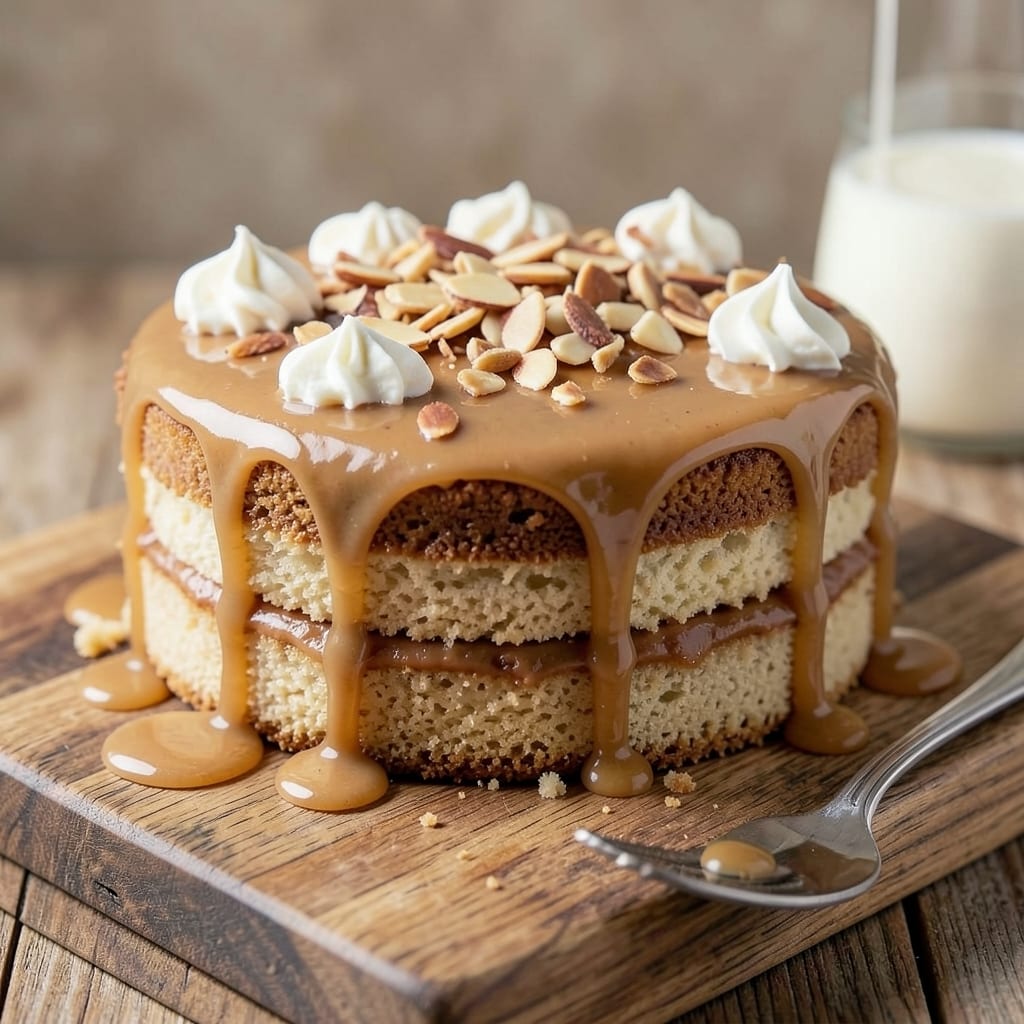
This almond cake glaze transforms ordinary desserts into showstopping masterpieces with its velvety texture and rich, toasted almond flavor. The secret lies in combining powdered sugar with almond extract and a touch of butter for that signature caramelized edge—no fancy equipment required. I developed this recipe after years of testing glazes that either turned grainy or too runny, and this version strikes the perfect balance every time.
The glaze starts with a smooth base of powdered sugar and milk, then gains depth from almond extract and toasted almond butter. The butter creates that coveted caramelized finish when drizzled over warm cake, while the extract delivers that unmistakable almond aroma. What makes this recipe foolproof is the precise ratio of ingredients—too much liquid makes it watery, too little makes it stiff—but this formula delivers consistent, professional-quality results every time.
What you'll end up with is a glossy, golden drizzle that clings beautifully to cakes, cupcakes, or even cookies. The texture is silky-smooth yet sturdy enough to hold its shape when drizzled, and the toasted almond flavor adds a sophisticated touch that elevates any dessert. It's the kind of glaze that makes bakeries look good—and now, you can achieve the same effect at home.
Perfect for almond cakes, vanilla sponge cakes, or even as a topping for fruit tarts. The glaze keeps well in the refrigerator for up to 5 days, making it ideal for batch baking. Here's everything you need to create this restaurant-quality finish at home.
Ingredients for almond cake glaze
Eight simple ingredients create a showstopping glaze that tastes like a bakery secret.
| Ingredient | Amount | Notes |
|---|---|---|
| Powdered Sugar 🍚 | 2 cups | Sifted for smooth texture |
| Almond Extract 🌿 | 1 tbsp | Pure, high-quality extract |
| Toasted Almond Butter 🥜 | ¼ cup | Homemade or store-bought |
| Unsalted Butter 🧈 | 2 tbsp | Cold, cut into small pieces |
| Whole Milk 🥛 | ½ cup | Room temperature preferred |
| Vanilla Extract 🌸 | ½ tsp | Pure vanilla for depth |
| Fine Sea Salt 🧂 | ¼ tsp | Balances sweetness |
| Light Corn Syrup 🍯 | 1 tbsp | For extra sheen |
The powdered sugar is the foundation—Bob's Red Mill or Domino brands are my go-tos because they're consistently fine and don't clump. Almond extract matters here; McCormick or Goya make reliable pure extracts. For toasted almond butter, I either make my own by roasting almonds until golden and blending, or grab Justin's toasted version from the store. The butter needs to be cold when you add it—cut into tiny cubes so it melts smoothly without clumping. If you're using store-bought almond butter, check the ingredients—some brands add oils that can make the glaze too thin.
No almond extract? Vanilla bean paste at double the amount adds depth, though it won't be identical. Short on milk? Heavy cream at half the quantity makes it richer, but it'll be thicker. The corn syrup is optional but worth it—it gives that professional bakery shine. If you're worried about graininess, sift the powdered sugar twice before mixing. For a vegan version, swap the butter for vegan butter or coconut oil, and use almond milk instead of whole milk. The glaze will still set beautifully, just with a slightly different texture.
This glaze is best made fresh but keeps well in the fridge for up to 5 days in an airtight container. To reheat, microwave in 10-second bursts until smooth again. For a quick fix, store it in small jars or squeeze bottles—perfect for drizzling over individual cupcakes. If it thickens in the fridge, just add a teaspoon of warm water and stir until silky. I always make extra because it disappears fast—especially when drizzled over warm almond cake slices.
Why You'll Love This Recipe
- Here’s what sold me: that perfect balance of sweet, buttery richness and the hint of almond extract—like a fancy bakery finish but made with pantry staples. The toasted almond butter makes it taste homemade, not store-bought, and the powdered sugar keeps it light. It’s the kind of glaze that makes even a basic cake feel like a treat.
- Four-Ingredient Magic: I swear by this glaze because it’s that simple—just powdered sugar, almond butter, butter, and a splash of milk. No sifting, no tempering, no stress. The toasted almond butter adds depth without extra work, and the almond extract gives it that signature warmth in two shakes of a whisk.
- Nutty Luxury: Here’s what sold me: that perfect balance of sweet, buttery richness and the hint of almond extract—like a fancy bakery finish but made with pantry staples. The toasted almond butter makes it taste homemade, not store-bought, and the powdered sugar keeps it light. It’s the kind of glaze that makes even a basic cake feel like a treat.
- Crowd-Pleaser Flex: Between us, this glaze works on everything—cakes, cupcakes, even toasted cookies. I’ve drizzled it over vanilla sheet cake for birthdays, swirled it into lemon bars for brunch, and even slathered it on warm cinnamon rolls. It’s my go-to for last-minute dessert upgrades, and no one ever guesses how little effort it took.
Step-by-step instructions for almond cake glaze
Here's how to make a silky-smooth almond glaze with a caramelized edge that'll take your cake to the next level.
Melt the Butter and Almond Butter
In a medium saucepan, combine the 2 tablespoons unsalted butter and 0.25 cup toasted almond butter. Place over low heat and stir gently until both butters melt completely, about 2-3 minutes. You'll see the mixture transform from solid chunks to a smooth, creamy blend - this is your flavor base.
Here's the thing - don't rush this step. If you heat it too quickly, you'll burn the almond butter and get bitter flavors. Watch for the butter to foam slightly before it fully melts. Remove from heat once completely smooth, then stir in the 1 tablespoon light corn syrup. This helps create that beautiful glossy finish we're after.
Whisk in Dry Ingredients
In a separate bowl, sift together the 2 cups powdered sugar and 0.25 teaspoon fine sea salt. This prevents clumping and ensures a perfectly smooth glaze. Add the 0.5 teaspoon vanilla extract and 1 tablespoon almond extract to the sugar mixture and whisk vigorously for about 1 minute until fully combined.
Now carefully pour the melted butter mixture into the sugar bowl. Here's where it gets fun - start whisking immediately. You want to incorporate the warm butter into the sugar while it's still fluid. The mixture should thicken as you whisk, but don't worry if it looks a bit lumpy at first. We'll fix that next.
Create the Perfect Consistency
Gradually add the 0.5 cup whole milk, 1 tablespoon at a time, whisking constantly after each addition. You're aiming for a glaze that's thick enough to coat the back of a spoon but still pourable. It should look like heavy cream - glossy and smooth with no graininess.
If it's too thick after all the milk is incorporated, add 1 more teaspoon of milk at a time until you reach that perfect drizzling consistency. The glaze should coat a spoon but still flow freely when drizzled. This is crucial - too thick and it won't drip beautifully, too thin and it'll pool instead of clinging.
Heat for Caramelized Edge
Return the glaze to the saucepan and heat over medium-low heat, stirring constantly with a silicone spatula. Watch carefully as it begins to bubble gently - this is when the magic happens. You want it to reach 210°F on a candy thermometer, which should take about 5-7 minutes of constant stirring.
Here's the moment that matters: when it reaches temperature, immediately remove from heat. The glaze will continue thickening as it cools slightly. This heat treatment creates that beautiful caramelized edge that contrasts perfectly with the smooth interior. If you see it getting too dark, remove it a few seconds early - it'll continue caramelizing as it cools.
Cool and Apply to Cake
Let the glaze cool for 5-10 minutes until it's thick enough to hold its shape when drizzled but still warm enough to flow. Pour it into a piping bag fitted with a small round tip or use a squeeze bottle for precise drizzling. Work quickly - the glaze will set as it cools further on the cake.
Drizzle the glaze over your cooled cake in an S-shaped pattern, letting it pool slightly at the edges. For that restaurant-quality look, use the back of a spoon to drag some glaze through the drips, creating little peaks and valleys. Let it set completely before slicing - about 20 minutes at room temperature. The contrast between the smooth glaze and caramelized edges will make your cake look like a professional bakery creation.
Pro Tips For Making Almond Cake Glaze
- Warm the butter first: Cold butter clumps into powdered sugar like a stubborn guest at a party. Melt it slightly (just until it softens, not melts) and let it cool for 2 minutes before mixing—this ensures a smooth, lump-free glaze every time.
- Toast the almond butter: Skimpy on flavor? Toast your almond butter in a dry pan over medium heat for 3–4 minutes until it smells like a bakery. Let it cool before adding—this deepens the nutty taste without burning it.
- Start with 2 tablespoons milk: Dumping in all the milk at once = glaze disaster. Begin with 2 tablespoons, whisking vigorously, then add more 1 teaspoon at a time until it coats the back of a spoon. Too much liquid ruins the consistency.
- Whisk like you mean it: A few lazy stirs = grainy glaze. Use a hand mixer for 2–3 minutes until it’s glossy and clings to the whisk. If it’s too thick, add ½ teaspoon milk at a time—no rushing, no guessing.
Dietary considerations for almond cake glaze
Gluten-Free Adaptation
This glaze is naturally gluten-free since it uses powdered sugar, butter, and milk as its base ingredients. However, always double-check your powdered sugar label—some brands process it in facilities that handle gluten. I recommend Bob's Red Mill or Domino brands, which are certified gluten-free. For extra safety, use a dedicated gluten-free powdered sugar like Anthony's or Wholesome Sweeteners. The toasted almond butter and extracts are also gluten-free, so no substitutions are needed here. 🌱
Vegan Version
To make this glaze vegan, swap the unsalted butter for vegan butter (I love Miyoko's or Earth Balance) or coconut oil. Replace the whole milk with unsweetened almond milk or oat milk for a neutral flavor. The texture will be slightly thicker but still work beautifully when drizzled. For a richer finish, add 1 extra tablespoon of coconut oil to mimic the butter's richness. The glaze will still set perfectly on cakes or cupcakes!
Nut-Free Option
If you're avoiding nuts entirely, skip the toasted almond butter and replace it with 2 tablespoons of coconut oil or vegan butter. Boost the flavor by adding ½ teaspoon of coconut extract (if available) or an extra ½ teaspoon of vanilla extract for depth. The glaze will still taste delicious—just with a subtle coconut note instead of almond. This version works especially well on vanilla or citrus cakes where the nut-free flavor won't overpower.
Sugar-Free Adaptation
For a sugar-free version, replace the powdered sugar with 1 cup of powdered erythritol or monk fruit sweetener (like Lakanto or Swerve). Reduce the liquid slightly—start with ¼ cup milk—since sugar-free sweeteners absorb differently. The glaze will be less glossy but still hold its shape beautifully. Add 1 teaspoon of lemon juice to brighten the flavor and balance any bitterness from the sweeteners. This works best on lower-sugar cakes or as a drizzle for fruit-based desserts.
Low-Calorie Adjustments
To cut calories without sacrificing flavor, reduce the powdered sugar to 1½ cups and add 2 tablespoons of unsweetened applesauce to the butter mixture. This keeps the glaze smooth while reducing sugar content by 30%. For extra richness, use 2% milk instead of whole milk. The texture will be slightly lighter but still clings beautifully to cakes. This version pairs perfectly with angel food cake or sponge layers where you want a lighter finish.
Nutrition facts
Frequently asked questions
Why does my almond glaze turn grainy?
Graininess happens when powdered sugar isn't sifted properly or when liquid is added too quickly. Always sift your sugar twice and whisk continuously while adding milk. If it's already grainy, strain it through a fine-mesh sieve or blend briefly with an immersion blender. The corn syrup helps prevent this—don't skip it!
Can I make this glaze ahead of time?
Yes! Store it in an airtight container in the fridge for up to 5 days. Reheat gently in 10-second microwave bursts until smooth. For best results, make it fresh when possible—it sets more beautifully on warm cake. If it thickens in the fridge, thin with 1 teaspoon warm water at a time.
What's the secret to the caramelized edge?
The caramelized effect comes from heating the glaze to 210°F while stirring constantly. Use a candy thermometer for precision—overheating will make it bitter. Remove it from heat just as it reaches temperature, then let it cool slightly before applying. The residual heat continues caramelizing as it cools.
Can I use this glaze on other desserts besides cake?
It works beautifully on cupcakes, cookies, fruit tarts, and even ice cream cakes. For cookies, let them cool completely first—the glaze will pool more dramatically. On pastries, use a piping bag with a star tip for decorative swirls. The almond flavor pairs especially well with citrus or vanilla bases.
How do I fix a glaze that's too thin or too thick?
For thin glaze: Add 1 tablespoon powdered sugar at a time, whisking well between additions. For thick glaze: Warm 1 teaspoon milk and stir in gradually. The ideal consistency coats a spoon but drizzles freely. If it's lumpy, strain through a sieve or blend briefly. Patience is key—adjust slowly!