
Desserts
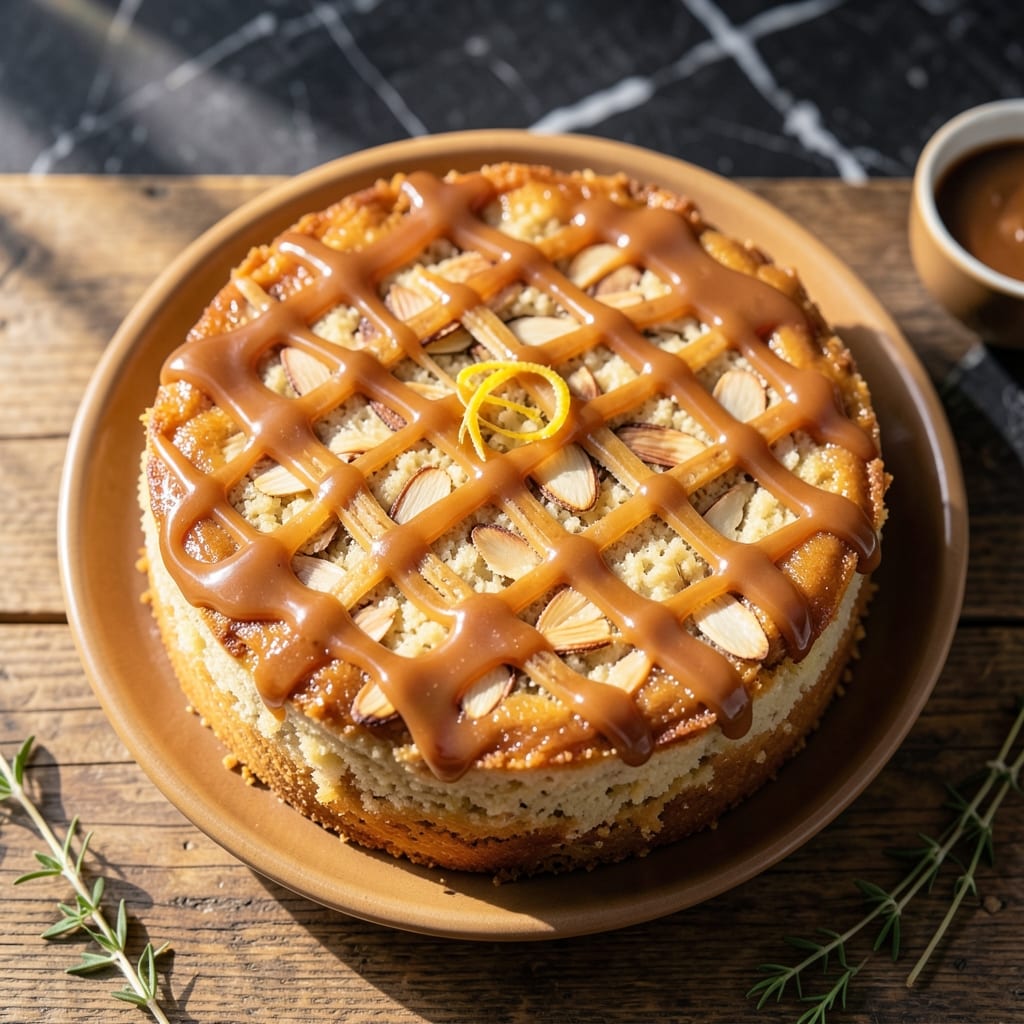
This almond caramel cake recipe delivers the perfect marriage of nutty richness and gooey caramel rivers—every slice is a symphony of textures and flavors. The secret lies in almond flour for that signature depth, paired with a luscious caramel layer that pools beautifully when sliced. I’ve perfected this recipe over years of baking, ensuring the cake stays moist while the caramel remains perfectly tender, not hard or grainy.
The beauty of this dessert is its balance: a tender crumb infused with almond extract, swirled with buttery caramel that oozes with every bite. It’s a showstopper for celebrations but simple enough for a weeknight treat. The recipe includes a foolproof method for homemade caramel (or a shortcut using store-bought), so you can customize it to your time and skill level.
What makes this cake truly special is how the textures play together—chewy caramel cutting through the moist, nutty cake, creating a contrast that’s impossible to resist. The aroma of toasted almonds and warm caramel baking in the oven will have your kitchen smelling like a bakery. Once you try this, you’ll never buy a boxed version again.
Whether you’re baking for a birthday, holiday gathering, or just craving something indulgent, this recipe delivers restaurant-quality results with minimal fuss. The instructions are clear, the ingredients are accessible, and the payoff is a cake that looks as impressive as it tastes. Let’s get baking!
Ingredients for almond caramel cake
Almond flour, buttery caramel, and a whisper of vanilla—this is your cake shopping list.
| Ingredient | Amount | Notes |
|---|---|---|
| Almond Flour 🌰 | 2 ½ cups | Finely ground, unsweetened |
| All-Purpose Flour 🌾 | ½ cup | For structure balance |
| Granulated Sugar 🍚 | 1 ½ cups | White or light brown |
| Packed Brown Sugar 🍚 | 1 cup | For caramel depth |
| Unsalted Butter 🧈 | 1 ½ cups | Room temperature, full-fat |
| Large Eggs 🥚 | 4 whole | Room temperature preferred |
| Vanilla Extract 🌿 | 2 tsp | Pure, high-quality |
| Almond Extract 🌰 | 1 tsp | Pure, not imitation |
| Baking Powder 🧂 | 1 tbsp | Aluminum-free preferred |
| Salt 🧂 | ½ tsp | Fine sea salt |
| Heavy Cream 🥛 | 1 cup | Full-fat for caramel |
| Granulated Sugar 🍚 | 1 cup | For caramel topping |
| Unsalted Butter 🧈 | ½ cup | Extra for caramel |
| Vanilla Bean Paste 🌿 | 1 tsp | Or 0.5 tsp extract |
| Flaky Sea Salt 🧂 | 1 tsp | For caramel garnish |
The almond flour is non-negotiable here—Bob's Red Mill or Anthony's Goods are my go-tos, but any finely ground, unsweetened version works. If you're new to almond flour, grab a small bag first; it's pricier than all-purpose but makes all the difference. For the caramel topping, store-bought salted caramel sauce (like Trader Joe's) is a lifesaver when you're short on time, but homemade gives that restaurant-quality depth. The butter? Full-fat only—no shortcuts here. If your kitchen's warm, let it sit out for 30 minutes before measuring.
No almond extract? Almond essence at half the amount works in a pinch, but the flavor won't be as authentic. Short on heavy cream? Full-fat coconut milk mimics the richness, though it'll taste slightly tropical. The vanilla bean paste adds complexity—if you've only got extract, use twice the amount. For the caramel, brown sugar is key—it prevents graininess. Pro tip: Toast your almond flour for 5 minutes at 350°F before mixing to deepen the nutty aroma. (Don't skip this—trust me.)
Store the cake in an airtight container at room temp for 2 days—it'll keep longer but the caramel gets firmer. For longer storage, wrap individual slices in plastic and freeze for up to 3 months. The caramel topping? Make it fresh if possible, but leftover sauce can be refrigerated for 1 week. I always bake two 9-inch rounds—one for immediate serving, one to slice and freeze for lazy days. Let it come to room temp before serving, or the caramel will feel shockingly cold.
Why You'll Love This Recipe
- No-Fuss Mixing: I swear by this recipe’s simplicity—just three bowls and a whisk. The almond flour gives it that silky texture without needing a food processor, and the buttercream filling comes together in minutes while the cake bakes. Honestly, I’ve made it while chatting on the phone.
- Rich, Nutty Crunch: That caramel swirl? It’s the star. The brown sugar and butter create a deep, buttery sauce that soaks into the cake just enough to stay moist, while the almond flour adds a subtle crunch that feels luxurious. Between us, it’s the kind of dessert that makes people ask for the recipe before they even take a bite.
- Weeknight or Celebration: Bring it to a potluck or eat it straight from the pan on a lazy Sunday—this cake handles both. The layers stay sturdy enough to slice neatly, but it’s also the kind of thing I’ll grab for a quick breakfast with coffee. (Yes, even on a Tuesday night.)
- Leftovers That Last: One batch feeds a crowd, but the good news? It keeps for days without drying out. The almond flour’s natural oils lock in moisture, so slices stay tender even after three days. I’ve packed it for lunches, and no one’s ever complained—just empty plates.
Step-by-step instructions for almond caramel cake
Here's how to create a perfectly moist cake with nutty swirls and rivers of buttery caramel—every layer will impress.
Mix Wet Ingredients for the Cake Batter
In a large mixing bowl, combine the 1.5 cups unsalted butter and both sugars (1.5 cups granulated sugar and 1 cup packed brown sugar). Beat on medium speed until light and fluffy, about 3-4 minutes. This step is crucial—you want the butter to become pale and airy, almost tripling in volume. If it looks too thick, don't worry; the eggs will help emulsify it.
Add the 4 whole large eggs, one at a time, mixing well after each addition. Then stir in the 2 teaspoons vanilla extract and 1 teaspoon almond extract. The almond extract adds that signature nutty depth, so don't skip it! Mix until fully combined, scraping down the sides of the bowl as needed. The batter should be smooth and slightly thick, like a thick pudding. If it looks curdled, don't panic—it'll come together when you add the dry ingredients.
Combine Dry Ingredients and Fold Gently
In a separate bowl, whisk together the 2.5 cups almond flour, 0.5 cup all-purpose flour, 1 tablespoon baking powder, and 0.5 teaspoon salt. Sift the dry ingredients directly into the wet mixture to avoid clumps. Use a spatula to gently fold everything together until just combined—you should still see some streaks of flour. Overmixing develops gluten, which can make the cake dense instead of tender.
For the signature swirls, divide the batter into two portions. In one portion, fold in about 1 cup of the almond flour (reserve the rest for later). This creates a slightly thicker batter that will contrast beautifully with the lighter base. Pour the plain batter into a greased and lined 9-inch round cake pan, then spoon the almond flour-infused batter on top. Use a knife to swirl the two batters together in a marbled pattern—this is where the magic happens!
Bake Until Golden and Springy
Preheat your oven to 350°F and bake the cake for 35-40 minutes, or until a toothpick inserted into the center comes out clean. The edges should be golden brown, and the top should spring back slightly when pressed. I like to tent the pan with foil after 20 minutes to prevent over-browning, but keep an eye on it—ovens vary!
If the top browns too quickly, reduce the heat to 325°F for the last 10 minutes. The cake is done when it pulls away from the edges of the pan and has a slight pull in the center. Let it cool in the pan for 15 minutes, then transfer to a wire rack to cool completely. Patience here is key—cooling prevents the cake from cracking when you add the caramel later.
Make the Buttery Caramel Topping
While the cake cools, make the caramel. In a heavy saucepan, combine 1 cup heavy cream, 1 cup granulated sugar, and 0.5 cup unsalted butter. Bring to a boil over medium-high heat, then reduce to a simmer and cook for 10-12 minutes, stirring occasionally, until the mixture thickens to a soft-ball stage (around 235-240°F on a candy thermometer). The caramel should coat the back of a spoon and leave a slight trail when dragged across the pan.
Remove from heat and stir in the 1 teaspoon vanilla bean paste and 1 teaspoon flaky sea salt. Let the caramel cool slightly—it should thicken as it sits but remain pourable. If it hardens too much, gently reheat over low heat, stirring until smooth again. The caramel should be glossy and silky, ready to drizzle over the cooled cake.
Assemble and Serve with Caramel Rivers
Once the cake is completely cool, use a serrated knife to level the top if needed. Place the cake on a serving plate and carefully pour the caramel over the center. Use a spoon or offset spatula to spread the caramel in rivers, letting it drip down the sides for that classic caramel cake effect. For extra drama, sprinkle additional flaky sea salt on top—it enhances the caramel's sweetness and adds a gourmet touch.
Slice and serve immediately while the caramel is still warm and gooey. The contrast of the nutty swirls, moist cake, and buttery caramel will have everyone asking for seconds. Store leftovers in the fridge for up to 3 days, but trust me, they won't last that long!
Pro Tips For Making Almond Caramel Cake
- MELT THE BUTTER SLOWLY: If you dump cold butter into the sugar mix, you’ll end up with clumps instead of a smooth batter. Warm the butter to room temp first—just until it’s soft enough to press a finger into without leaving a dent. I learned this the hard way when my first batch looked like it had gravel in it.
- SIFT THE ALMOND FLOUR: Almond flour is dense and loves to pack down, which means your cake might turn out brick-like. Sift it with the all-purpose flour before mixing—yes, even if it’s already fine. I was skeptical until I tried it; the texture is noticeably lighter, and the crumb stays tender.
- STOP WHEN THE CENTER JIGGLES: Overbaking is the enemy of this cake. The edges should pull away from the pan, but the center should still wiggle slightly when you give it a gentle shake. I used to pull mine out too early, thinking it needed more time, and ended up with a dry, sad cake.
- USE A THERMOMETER FOR CARAMEL: Guessing when your caramel is ready leads to either undercooked sauce (tastes raw) or burnt sugar (tastes bitter). Pull it off the heat at 235°F—it’ll thicken as it cools. After burning three batches, I finally figured out this is the only way to get it right every time.
Perfect pairings for this dish
Creamy Coffee Pairings
This cake’s rich almond and caramel flavors make it a match made in heaven with a hot latte or cappuccino. The nutty depth of the cake complements the espresso’s boldness, while the caramel’s sweetness balances the bitterness. I love a vanilla latte with whole milk—the creaminess echoes the cake’s texture. For an iced option, try a cold brew with oat milk and a drizzle of caramel sauce to mirror the cake’s topping. ☕
Wine Pairings
A sweet Moscato or Riesling enhances the caramel’s buttery notes without overpowering the almond’s nuttiness. The wine’s acidity cuts through the richness, creating a refreshing contrast. For a bolder option, a tawny Port (like Graham’s 10-Year) adds depth and complements the cake’s toasted almond flavor. Serve the wine slightly chilled—around 55°F—to let its sweetness shine alongside the caramel’s gooeyness. 🍷
Seasonal Fruit Toppings
Brighten the cake with fresh strawberries or raspberries for a summer twist—their tartness balances the caramel’s sweetness. In fall, try roasted pears or figs tossed in honey and thyme, which add warmth and complexity. For a winter touch, top slices with candied citrus peel (like orange or lemon) and a sprinkle of toasted coconut flakes for crunch. 🍓
Creamy Cheese Pairings
Serve the cake with a salted caramel cheesecake or mascarpone mousse for a decadent dessert duo. The cheese’s tanginess contrasts beautifully with the cake’s sweetness, while the caramel ties the flavors together. For a lighter option, try whipped mascarpone with a drizzle of honey and crushed pistachios—the nutty crunch echoes the almond in the cake. 🧀
Spiced Tea Complements
A chai latte or spiced black tea with cinnamon and cardamom enhances the cake’s warm, nutty notes. The spices in the tea mirror the almond’s depth while adding a cozy, aromatic touch. For a caffeine-free option, steep Earl Grey tea with lemon slices—the bergamot’s citrus brightness cuts through the caramel’s richness. 🍵
Chocolate Drizzle Upgrade
Elevate the cake with a dark chocolate ganache drizzle—use 70% cocoa for a balance of sweetness and bitterness. Warm ½ cup heavy cream with 4 oz dark chocolate, then drizzle over the cake before serving. For extra flair, add crushed hazelnuts or sea salt flakes to contrast the chocolate’s intensity. 🍫
Nutrition facts
Frequently asked questions
Can I make this almond caramel cake gluten-free?
Replace the 0.5 cup all-purpose flour with an equal amount of gluten-free 1:1 baking flour (like Bob's Red Mill or King Arthur). For best results, add 1 teaspoon xanthan gum to help bind the cake. The almond flour already makes this recipe naturally gluten-free, so you're just adjusting the small amount of wheat flour.
Why did my caramel turn grainy or hard?
Grainy caramel usually means it cooked too long or didn't reach the proper temperature. Use a candy thermometer to hit 235-240°F (soft-ball stage). If it hardens while cooling, gently reheat over low heat with 1 teaspoon heavy cream to restore its silky texture. Always use brown sugar for caramel—white sugar creates graininess.
How do I store leftovers without drying out the cake?
Wrap individual slices tightly in plastic wrap, then place them in an airtight container. Store at room temperature for 2 days or refrigerate for 4 days. For longer storage, freeze slices for up to 3 months. To revive, let sit at room temperature for 30 minutes before serving—this prevents the caramel from feeling shockingly cold.
Can I use almond meal instead of almond flour?
Not recommended—they're different textures. Almond meal is coarser and will make your cake dense. If you must substitute, grind whole almonds into a fine flour using a food processor or blender. For every 1 cup almond flour, use 1 cup finely ground almonds—but expect slightly less tender crumb. The recipe relies on the fine texture of almond flour for that signature moistness.
What's the secret to getting those perfect caramel rivers?
Timing and temperature are key! Pour the caramel onto the completely cooled cake—it should be at room temperature. Use a spoon to create thin streams that drip naturally. For extra drama, chill the cake for 30 minutes before adding caramel so it holds its shape better. The rivers work best when the caramel is warm but not melted—around 180°F.