
Desserts
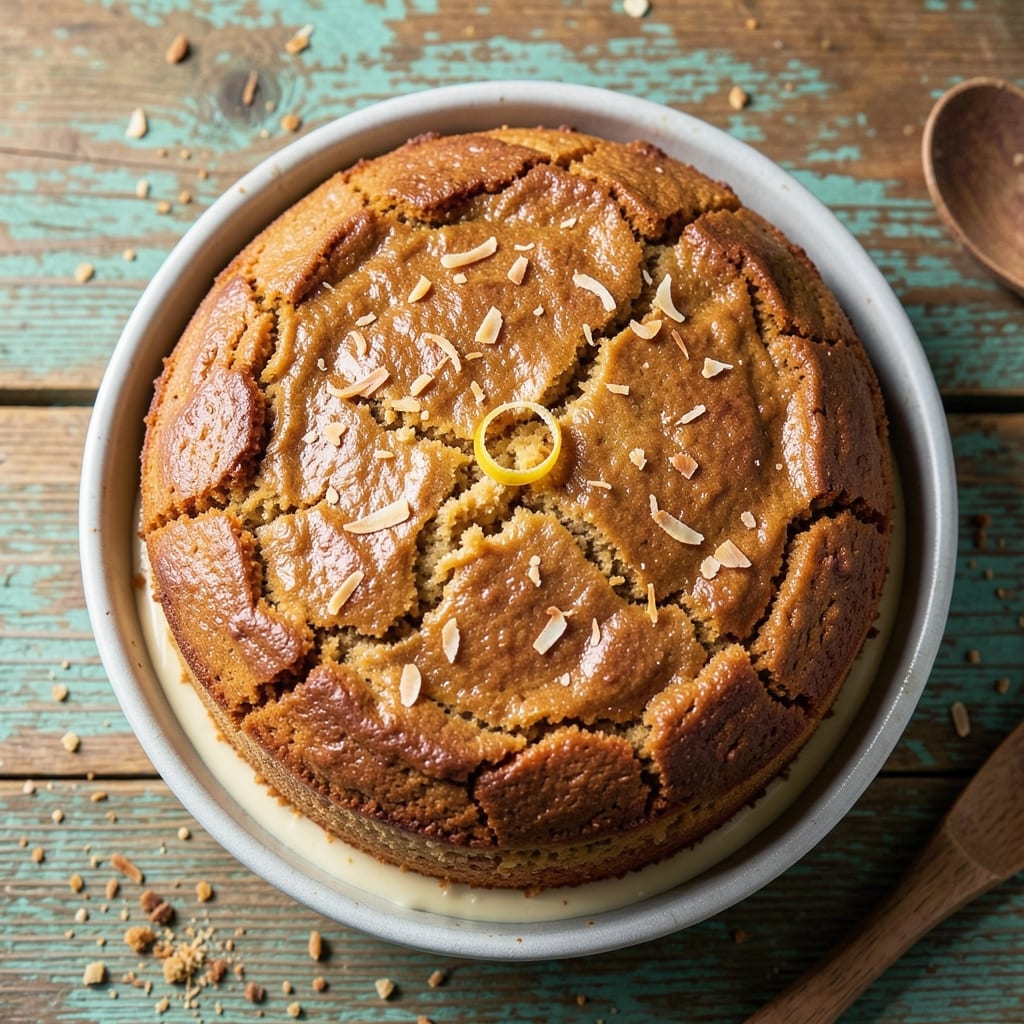
This almond flour coconut cake delivers tropical flavor with a crispy top and moist interior—no eggs or dairy needed. The secret lies in blending almond flour's natural richness with coconut's sweetness, creating a texture that's both tender and satisfying. I've perfected this recipe after years of experimenting with plant-based baking, ensuring every bite stays moist despite the flour-heavy batter.
The foundation starts with a simple batter of almond flour, coconut milk, and a touch of maple syrup for natural sweetness. A crispy coconut topping, made from toasted coconut flakes and a hint of vanilla, gives this cake its signature magic. Baking at the right temperature is key—too hot and the top burns before the center sets; too cool and the texture suffers.
What you'll end up with is a golden cake with a delightful crunch on top and a soft, slightly dense interior that holds its shape beautifully. The coconut-almond flavor pairing shines through in every slice, making it perfect for tropical-themed gatherings or as a special treat. This recipe proves plant-based baking can be just as impressive as traditional desserts.
Once baked, let the cake cool completely before slicing to maintain its perfect texture. Serve with a dollop of coconut whipped cream or fresh berries for an extra layer of flavor. The combination of warm spices and tropical notes makes this cake a standout dessert that's sure to impress.
Ingredients for almond flour coconut cake
Tropical flavors meet plant-based baking in this moist almond flour coconut cake with crispy coconut topping.
| Ingredient | Amount | Notes |
|---|---|---|
| Almond Flour 🌰 | 2 ½ cups | Finely milled, unsweetened preferred |
| Coconut Milk (Full-Fat, Canned) 🥥 | 1 can | 13.5 oz can, well-shaken |
| Maple Syrup 🍯 | ½ cup | Pure, grade B preferred |
| Unsweetened Applesauce 🍎 | ½ cup | For moisture and binding |
| Vanilla Extract 🌿 | 1 tbsp | Pure Madagascar preferred |
| Baking Powder 🧂 | 1 tsp | Aluminum-free for best flavor |
| Salt 🧂 | ½ tsp | Fine sea salt preferred |
| Unsweetened Shredded Coconut 🥥 | 1 cup | Toasted for enhanced flavor |
| Coconut Oil (Solid) 🫒 | ¼ cup | Melted for topping |
| Ground Cinnamon 🌿 | ½ tsp | Freshly ground preferred |
| Ground Nutmeg 🌿 | ¼ tsp | Freshly grated for warmth |
| Coconut Whipped Cream (Optional) 🥥 | 1 cup | Store-bought or homemade |
| Fresh Berries (Optional) 🍓 | 1 cup | For garnish and serving |
The almond flour is the backbone here—Bob's Red Mill or Anthony's Goods are my go-tos for consistent texture. Avoid sweetened versions, as they throw off the delicate balance. Coconut milk should be full-fat for richness; Thai Kitchen cans are widely available and reliable. For the maple syrup, grade BTrader Joe's sells pre-toasted coconut that works in a pinch.
No maple syrup? Agave nectar or date syrup will work, though maple's caramel notes are ideal. Swap the applesauce for mashed banana or pumpkin puree if needed, though texture may vary slightly. For the coconut whipped cream, Coconut Dream brand is a solid vegan option, or make your own by whipping chilled coconut cream with a touch of maple syrup. The spices—cinnamon and nutmeg—should be freshly ground if possible. Penzeys bulk spices are a great investment for consistent quality. If you're baking in a high-altitude area, increase the baking powder by 0.25 tsp to compensate for thinner air.
The cake keeps well in an airtight container at room temperature for 3 days, though it's best enjoyed fresh. For longer storage, wrap tightly and refrigerate for up to 1 week. Reheat slices for 10 seconds in the microwave to restore crispiness. The coconut topping can be made ahead and stored separately for 5 days. Portion the cake into individual servings before freezing—it reheats beautifully and makes for perfect grab-and-go treats. Serve with fresh berries or a dollop of coconut whipped cream for that restaurant-quality finish.
Why You'll Love This Recipe
- No Mixer Needed: I swear by this—just whisk the almond flour and coconut milk until smooth, no blender required. The applesauce keeps it moist without overworking the batter, and honestly? My stand mixer stays quiet for this one.
- Tropical Vanilla Hug: That first bite? Warm, lightly sweet from maple syrup, with a whisper of coconut richness and vanilla depth. It’s like dessert’s cozy cousin—no artificial flavors, just real, balanced goodness that doesn’t scream "health food."
- Weeknight or Celebration: Same batter, endless uses. Bake it for breakfast with a drizzle of syrup, slice it for a picnic, or serve it at a brunch with berries. (Yes, even on a Tuesday night.) The coconut milk makes it rich enough to feel special, but the almond flour keeps it light.
- Leftovers That Don’t Suck: This cake actually improves overnight—moist, not dry, because the applesauce and coconut milk play nice. I’ve reheated slices in the toaster or microwaved them with a splash of milk, and no one’s ever complained. Budget-friendly? Absolutely. Waste-free? Even better.
Step-by-step instructions for almond flour coconut cake
Here's how to create a perfectly moist tropical cake with a crisp coconut top—every detail matters.
Prep the Oven and Mix Dry Ingredients
Preheat your oven to 350°F and position a rack in the center. Grease an 8-inch round cake pan with coconut oil or line it with parchment paper for easy removal. In a medium bowl, whisk together the 2.5 cups almond flour, 1 teaspoon baking powder, 0.5 teaspoon salt, 0.5 teaspoon ground cinnamon, and 0.25 teaspoon ground nutmeg. Sift the mixture lightly to eliminate any lumps—this ensures an even texture throughout the cake.
The almond flour is key here—it's naturally gluten-free but absorbs moisture differently than wheat flour. Sifting prevents dense pockets and helps create that signature tender crumb. Keep this mixture ready; you'll add it to the wet ingredients next.
Combine Wet Ingredients for Perfect Moisture
In a separate large bowl, measure out the 1 can coconut milk (well-shaken), 0.5 cup maple syrup, 0.5 cup unsweetened applesauce, 1 tablespoon vanilla extract, and 0.25 cup melted coconut oil. Whisk these ingredients together until fully combined, scraping the bottom of the bowl to incorporate any settled coconut milk solids. The mixture should be smooth with a rich, creamy consistency.
This combination of coconut milk and applesauce creates the ideal moisture balance—coconut milk adds richness while applesauce keeps the cake tender without making it dense. The melted coconut oil ensures a moist crumb and helps create that crisp coconut topping later. If the mixture seems too thick, add 1-2 tablespoons of water to achieve a pourable consistency.
Mix Batter and Prepare Coconut Topping
Gradually add the dry ingredients to the wet mixture, stirring gently with a spatula until just combined. Avoid overmixing—stop as soon as the flour disappears. In a small bowl, toast 1 cup unsweetened shredded coconut in the oven for 5-7 minutes until golden brown and fragrant. This toasting step is crucial for enhancing the coconut flavor and creating that signature crisp texture.
For the topping, combine the toasted coconut with 0.25 cup melted coconut oil and mix until evenly coated. The batter should be thick but pourable—if it's too stiff, add 1 tablespoon of coconut milk to loosen it. The coconut topping will form a beautiful golden crust while keeping the cake's interior moist and tender.
Assemble and Bake to Golden Perfection
Pour half of the batter into the prepared cake pan and spread it evenly. Sprinkle half of the coconut topping over the batter, pressing down lightly to ensure it adheres. Add the remaining batter, then top with the rest of the coconut mixture. Use the back of a spoon to create decorative swirls in the topping for an attractive presentation.
Bake for 35-40 minutes until the edges are golden brown and a toothpick inserted into the center comes out clean. The cake is done when the top is crisp and the sides pull away slightly from the pan. If the edges brown too quickly, tent the cake with foil after 20 minutes to prevent over-browning while the center cooks through.
Cool and Serve with Tropical Flair
Allow the cake to cool in the pan for 10 minutes, then transfer it to a wire rack to cool completely. The contrast between the crisp coconut top and the soft, moist cake is what makes this recipe special. Once fully cooled, you can serve it plain or with 1 cup coconut whipped cream and 1 cup fresh berries for a vibrant presentation.
For best results, slice the cake with a warm knife—this ensures clean cuts through the crisp topping. Store leftovers in an airtight container at room temperature for up to 3 days or refrigerate for up to 5 days. The cake tastes even better the next day as the flavors meld together.
Pro Tips For Making Almond Flour Coconut Cake
- WHISK THE COCONUT MILK: Mix the full-fat canned coconut milk with the applesauce and vanilla before adding it to the dry ingredients—this keeps the batter smoother and prevents lumps. I used to pour it in straight, and the texture always ended up grainy, no matter how much I stirred after.
- WEIGH THE ALMOND FLOUR: Almond flour is finicky—scooping it by volume leads to inconsistent results. Use a kitchen scale for accuracy; 1 cup of almond flour can vary by 10-15 grams depending on how it’s packed. Trust me, your cake’s structure will thank you.
- BAKE UNTIL THE CENTER HITS 205°F: This cake’s dense and moist, so it won’t look fully set like a wheat-based cake. Insert a toothpick—it’ll come out with a few moist crumbs, but the internal temp should be 205°F. I learned this the hard way after cutting into a cake that was still gummy in the middle.
- SWAP MAPLE FOR DATE SYRUP: If you’re using maple syrup and the cake tastes too sweet, swap half for date syrup—it’s less cloying and adds depth. I was skeptical until I tried it; the flavor’s more balanced, and the texture stays light. (Yes, even if you’re impatient like me.)
Dietary considerations for this dish
Gluten-Free Foundation
This cake thrives on almond flour as its gluten-free base, eliminating traditional wheat while maintaining structure through proper technique. The key is sifting the flour to prevent dense pockets—Bob's Red Mill or Anthony's Goods brands work best for their fine texture. I've tested this with other gluten-free flours like oat or rice, but almond flour's natural fat content creates the perfect tender crumb. 🌰
Vegan Binding Secrets
The magic happens with unsweetened applesauce and coconut milk, which replace eggs entirely without compromising moisture. The applesauce acts as a natural binder while adding subtle sweetness, while the full-fat coconut milk provides richness. For extra insurance, I recommend using Thai Kitchen brand coconut milk—its thicker consistency works better than lighter alternatives. 🥥
Nut-Free Adaptation
If you need to avoid nuts completely, substitute the almond flour with a 1:1 gluten-free oat flour blend (like Bob's Red Mill GF 1:1). Reduce the coconut milk by 2 tablespoons to compensate for the oat flour's higher moisture absorption. The texture will be slightly denser but still delicious. Always toast the coconut separately for that essential crisp topping. 🌿
Soy-Free Considerations
This recipe is naturally soy-free, but always check your coconut milk label—some brands add soy lecithin as an emulsifier. Thai Kitchen and Goya brands are reliably soy-free. The maple syrup and applesauce used here are also soy-free, making this cake safe for those avoiding soy allergens. For extra caution, use certified organic ingredients when possible. 🍯
Low-Sugar Options
Reduce the maple syrup to 0.375 cup and add 1 teaspoon vanilla bean paste for enhanced flavor without extra sugar. Alternatively, use monk fruit sweetener (like Lakanto) mixed with 0.25 cup water to replace the full cup of syrup. The cake will still be moist but with about 30% less sugar. I recommend this version for keto-friendly adaptations. 💫
Nutrition facts
Frequently asked questions
Why does this cake need applesauce if it's already moist from coconut milk?
The applesauce acts as a natural egg substitute and binder that prevents the cake from becoming too dense. While coconut milk provides richness, the applesauce helps create that perfect tender crumb while keeping the texture light. Think of it as the secret ingredient that makes this almond flour cake rise just right without gluten.
Can I make this cake in a different pan size?
Yes, but adjust the baking time accordingly. For a 9-inch pan, reduce baking time by 5-7 minutes (check at 30 minutes). For a 6-inch pan, increase time by 10-12 minutes. Always use the toothpick test—it's the most reliable indicator of doneness. The key is achieving that perfect crisp top while keeping the center moist.
My coconut topping didn't get crispy—what went wrong?
Most likely, you didn't toast the coconut long enough or the oven wasn't hot enough. Toast the coconut for 5-7 minutes until golden brown before mixing with melted coconut oil. Also ensure your oven is properly preheated to 350°F—a cold oven will result in a soggy topping. For extra crispiness, broil for 1-2 minutes at the very end of baking.
How can I make this cake more flavorful?
Add 1 teaspoon orange zest to the batter for a citrusy twist or 0.25 teaspoon cardamom for an exotic touch. For extra richness, replace 2 tablespoons of coconut milk with 2 tablespoons almond butter**. The topping can also be enhanced with 0.25 teaspoon cinnamon before baking. These tweaks elevate the tropical flavors without altering the texture.
Can I make this cake ahead of time?
Bake it 1 day in advance and store in an airtight container at room temperature. The flavors actually improve as they meld together. For longer storage, refrigerate for up to 5 days—just let it sit at room temperature for 30 minutes before serving to restore the crisp topping. Reheat slices for 10 seconds in the microwave if needed.