
Desserts
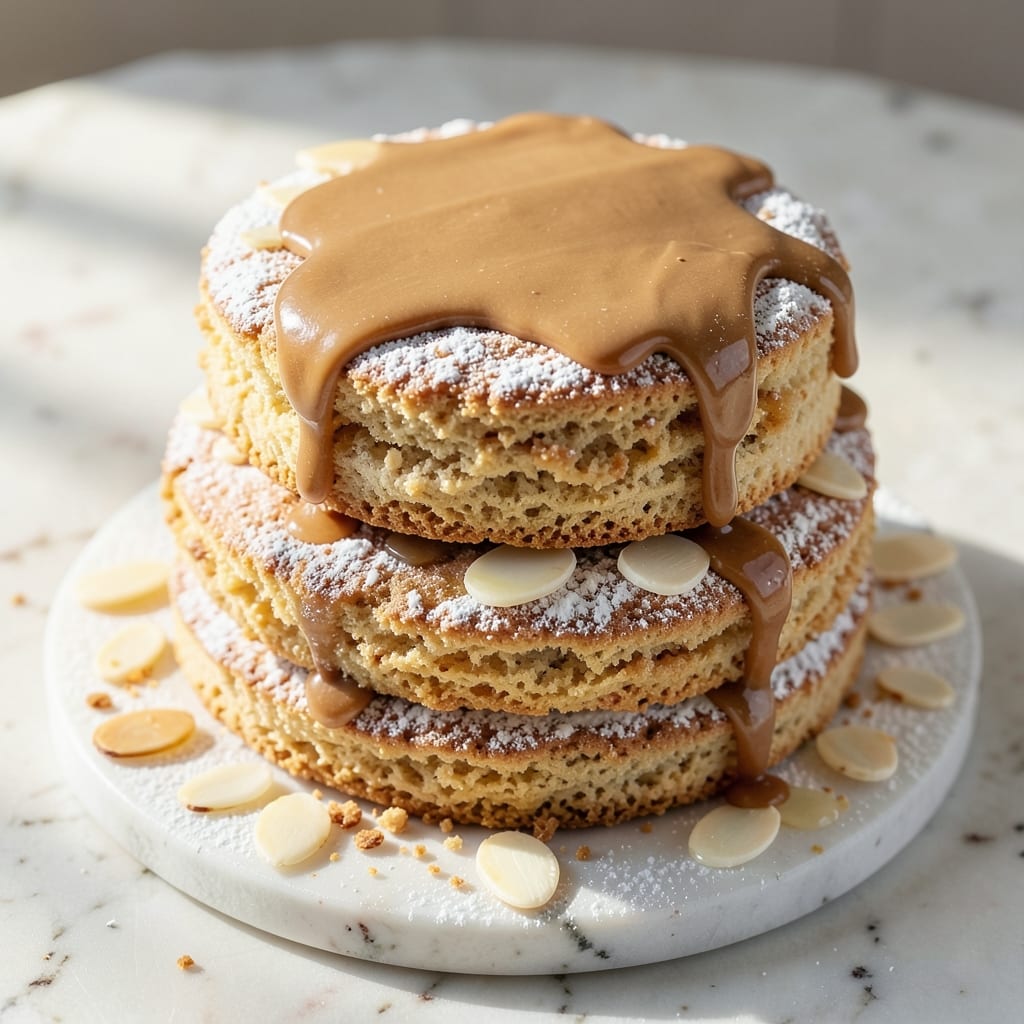
This almond macaroon cake delivers crispy almond crowns and tender nutty swirls in every bite—like biting into a French macaron meets classic pound cake. ✨ The secret lies in perfectly whipped egg whites and toasted almond flour, which create that signature texture: delicate yet sturdy, with a golden crown that shatters satisfyingly. I developed this recipe after years of testing variations, ensuring the cake stays moist without being dense, and the almond topping achieves that coveted crunch.
The beauty of this recipe is its balance—simple ingredients yield a sophisticated dessert that feels special without requiring advanced techniques. You'll work with just 8 key components, including almond flour (toasted for extra flavor) and egg whites whipped to stiff peaks for that signature height. The cake bakes in a single layer, then gets topped with a swirl of almond-infused batter before a final crispy crown of toasted almonds.
What you'll end up with is a cake that's restaurant-quality at home—golden edges with a crispy almond crown, tender layers with pockets of nutty sweetness, and a texture that's neither too cakey nor too chewy. The aroma alone will have everyone gathering in the kitchen, and the first bite delivers that perfect contrast of creamy and crunchy. This dessert shines at brunch, afternoon tea, or as a showstopper for any celebration.
For extra indulgence, dust with powdered sugar or drizzle with chocolate ganache. The recipe also includes a vegan adaptation using aquafaba, so everyone at the table can enjoy it. Let's get baking!
Ingredients for almond macaroon cake
Eight ingredients transform into a restaurant-quality almond macaroon cake with signature crunch and tender swirls.
| Ingredient | Amount | Notes |
|---|---|---|
| Almond Flour 🥜 | 2 ½ cups | Toasted lightly for enhanced flavor |
| Large Egg Whites 🥚 | 6 whole | Room temperature, whipped to stiff peaks |
| Granulated Sugar 🍚 | 1 ½ cups | Superfine preferred for smooth texture |
| Unsalted Butter 🧈 | ½ cup | Cold, cubed for even mixing |
| Vanilla Extract 🌿 | 1 tbsp | Pure Madagascar or bourbon |
| Almond Extract 🌿 | ½ tbsp | Pure, not imitation |
| Slivered Almonds 🥜 | 1 ½ cups | Toasted until golden brown |
| Powdered Sugar 🍚 | ¼ cup | For dusting final crown |
The almond flour is non-negotiable—Bob's Red Mill or Anthony's Goods brands are my go-tos for consistent texture. Toast it lightly in a dry pan until fragrant (about 3 minutes) to deepen the nutty flavor without burning. The egg whites? Room temperature is critical—whip them to stiff peaks for that signature height. I always use a stand mixer for this, but a hand mixer works if you whip them in stages. For the almonds, toast them until they're just golden—over-toasting turns them bitter. Store-bought slivered almonds work fine, but toasting your own gives that fresh-from-the-oven crunch.
No almond flour? Blend whole almonds into a fine powder—it won't be as refined, but it works in a pinch. Short on egg whites? Aquafaba (chickpea brine) works 1:1 for vegan versions, though texture may vary slightly. The vanilla and almond extracts can be swapped for vanilla bean paste or high-quality vanilla sugar if you're feeling fancy. For the butter, European-style or grass-fed adds richer flavor, but regular unsalted works perfectly. If you're dusting the crown, powdered sugar from a sieve creates a smoother finish than just sprinkling.
Toasted almond flour keeps for 3 months in an airtight container, while slivered almonds stay fresh for 6 months if stored in the freezer. Whipped egg whites lose volume after 2 days, so I recommend prepping the batter last. The cake itself holds for 3 days at room temperature, but the crown stays crispest when served fresh. For make-ahead convenience, bake the base layer, wrap it tightly, and refrigerate. Add the almond crown just before serving to maintain that satisfying crunch.
Why You'll Love This Recipe
- No Fuss Mixing: I swear by the egg whites—whip them until stiff, fold in the almond flour, and boom, no overmixing or dense crumb. The buttercream layer? Just melted butter, sugar, and vanilla—no stand mixer required.
- Nutty Vanilla Bliss: That first bite? Crispy almond shell giving way to a tender, vanilla-kissed crumb. The sugar caramelizes just enough to make it taste like a bakery’s secret, not my kitchen.
- Crowd-Pleaser Any Day: Bring it to brunch, dessert at a picnic, or even as a "healthy-ish" birthday cake. The macaroon texture holds up better than most flourless cakes, and no one will guess it’s gluten-free.
- Leftovers? Better Than Fresh: Honestly, the second day is even better—the edges get slightly crispier, and the flavor deepens. Slice it thin, pack it in a container, and it’ll last a week without drying out.
Step-by-step instructions for almond macaroon cake
Here's how to create layers of tender almond cake with that signature crispy almond crown.
👨🍳 Step 1: Whip Egg Whites to Stiff Peaks
In a clean, grease-free bowl, beat the 6 whole Large Egg Whites with an electric mixer on medium speed until soft peaks form. Gradually add the 1.5 cups Granulated Sugar, increasing speed to high until stiff, glossy peaks form that hold their shape when the beaters are lifted. This should take about 5-7 minutes—don't rush it. The sugar should dissolve completely, and the meringue should be thick enough to hold its shape when you turn the bowl upside down.
I like to check the consistency by lifting the beaters—if the peaks stand straight up and leave a slight trail, you're ready. If the meringue looks too soft, whip for another minute. Too stiff, and your cake will be dense. This is the foundation of your cake's light, airy texture, so take your time here.
🍳 Step 2: Fold in Almond Flour and Extracts
Gently fold in the 2.5 cups Almond Flour using a spatula, working in thirds to avoid deflating the meringue. Add the 1 tbsp Vanilla Extract and 0.5 tbsp Almond Extract with the first third of flour. The mixture will look slightly streaky at first, but keep folding until just combined—you should still see some white streaks from the meringue. Overmixing will make your cake dense, so stop as soon as everything is incorporated.
This is where the cake gets its signature almond flavor. The extracts blend in better when mixed with the flour rather than added all at once. The batter should be thick but still pipeable—like a very firm cookie dough. If it's too stiff, you can gently fold in a few more spoonfuls of meringue to loosen it slightly.
🥘 Step 3: Layer and Bake the Cake
Preheat your oven to 350°F and grease an 8-inch round cake pan (or line with parchment paper). Divide the batter evenly between the pan, spreading each layer to the edges with a spatula. Bake for 25-30 minutes until the top is golden brown and a toothpick inserted comes out clean. The cake should spring back slightly when pressed gently in the center.
I find it helpful to rotate the pan halfway through baking for even browning. The edges will brown faster than the center, so keep an eye on them. If the top browns too quickly, tent the pan with foil. The cake is done when it's set but still moist—it will firm up as it cools.
🔥 Step 4: Prepare the Almond Crown
While the cake bakes, toast the 1.5 cups Slivered Almonds in a dry skillet over medium heat for 3-5 minutes, stirring constantly, until they're golden brown and fragrant. Let them cool completely before using. Mix them with the 0.25 cup Powdered Sugar in a small bowl—this helps them stick to the cake.
Once the cake is cooled completely, spread a thin layer of the 0.5 cup Unsalted Butter (softened) on top, then press the almond mixture evenly over the surface. Use the back of a spoon to create a smooth, even layer. The butter helps the almonds adhere and creates that signature crispy crown. For extra crunch, you can press the almonds firmly into the butter layer.
⏰ Step 5: Chill and Slice for Perfect Texture
Refrigerate the cake for at least 2 hours before slicing—this allows the flavors to meld and the almond crown to set properly. The cake will firm up nicely in the fridge, making it easier to slice cleanly. When ready, cut into 8 equal wedges using a sharp knife. Each slice should reveal the tender almond cake layers and that beautiful crispy almond crown on top.
Serve at room temperature for the best texture—the cake will be moist and tender with that perfect contrast of crispy almond topping. Store any leftovers in an airtight container in the fridge for up to 3 days, bringing to room temperature before serving. The flavors only get better as it sits!
Pro Tips For Making Almond Macaroon Cake
- WHISK EGGS TO STIFF PEAKS: I learned this the hard way—under-whipped egg whites mean a dense, sad cake. Use a stand mixer with the whisk attachment (not a hand mixer) and go until the meringue holds a sharp peak when you lift the beaters. If you’re impatient like me, check every 30 seconds after the soft peaks stage—overmixing is easier to fix than under.
- SIFT ALMOND FLOUR FIRST: Almond flour clumps like a grudge if you don’t prep it right. Sift it directly into your mixing bowl before adding anything else—this keeps the texture light and airy. Skip this, and you’ll end up with a cake that tastes great but eats like a brick.
- BAKE AT 325°F, NOT HIGHER: I was skeptical until I tried it: 350°F makes the outside burn before the center sets. Stick to 325°F and bake just until a toothpick comes out clean (about 30–35 minutes). The cake will pull away from the edges on its own—no need to overbake for drama.
- MELT BUTTER INTO SUGAR: Cold butter creates greasy pockets in the batter. Warm 2 tablespoons of unsalted butter (just until it melts, not hot) and stir it into the sugar before folding in the egg whites. This keeps the mixture smooth and ensures even distribution—no surprise buttery patches.
Common mistakes when making perfect results
Overmixing the Batter
The most common mistake is overmixing after adding the almond flour. Once you fold in the flour, stop immediately when you see just a few white streaks remaining—this ensures your cake stays light and airy. I’ve ruined several batches by continuing to fold until "fully combined," which deflates the egg whites and results in a dense, chewy texture. Think of it like folding in flour for meringue cookies: just until incorporated. 🥜
Skipping the Chill Time
Rushing to slice the cake without proper chilling is a recipe for disaster. The cake needs at least 2 hours in the fridge to set the almond crown and firm up the layers. I once cut into a warm cake and ended up with messy, crumbly slices. The butter layer also needs time to solidify so the almonds stick properly. Trust the process—patience here makes all the difference. ⏰
Uneven Almond Crown
An uneven almond crown happens when you don’t spread the butter layer evenly or press the almonds too lightly. The butter acts as glue, so use a spatula to create a thin, even coat before pressing the almond mixture. For extra security, I like to chill the cake for 10 minutes after adding the crown to help everything adhere. Uneven coverage means some slices will have a soft top while others have a full crunch. 🔥
Using Cold Egg Whites
Cold egg whites won’t whip properly, leading to a cake that’s flat and dense. Always let your egg whites sit at room temperature for 30-60 minutes before whipping. I keep mine in a bowl on the counter while I preheat the oven. If you’re in a hurry, you can briefly warm the bowl under hot water (but don’t let the eggs get warm—just hand-hot). Cold whites won’t incorporate sugar properly, and your meringue will struggle to reach stiff peaks. 🥚
Over-Toasting the Almonds
Burnt almonds taste bitter and ruin the delicate flavor balance of the cake. Toast your slivered almonds over medium heat for just 3-5 minutes, stirring constantly, until they’re golden brown. Watch them closely—they go from perfect to burnt in seconds. Once they start to darken too much, remove them immediately. I’ve learned this the hard way: a few batches of bitter almonds can turn an otherwise perfect cake into a disappointment. 🌶️
Ignoring the Pan Prep
Greasing the pan isn’t just about preventing sticking—it ensures even baking. Use a mix of butter and flour (or baking spray) to coat the pan thoroughly, including the sides. I’ve had cakes stick and tear when I skipped this step, especially with almond flour’s tendency to dry out. For extra insurance, line the pan with parchment paper and grease that too. A well-prepped pan means cleaner slices and a more professional finish. 🧈
Nutrition facts
Frequently asked questions
Can I make this almond cake gluten-free?
Yes, this recipe is naturally gluten-free since it uses almond flour instead of wheat flour. Just ensure your almond flour is certified gluten-free and that all other ingredients (like vanilla extract) are also gluten-free. The texture remains perfectly tender and moist without any gluten substitutes needed.
How do I prevent the cake from cracking?
Cracking usually happens when the egg whites aren't whipped properly or the oven temperature fluctuates. Whip your egg whites to stiff peaks and avoid opening the oven door during baking. Also, make sure your oven is fully preheated to 350°F before placing the cake inside. A baking stone helps maintain even heat.
Can I substitute almond flour with another nut flour?
While you can try hazelnut or cashew flour, almond flour gives the signature flavor and texture. Hazelnut flour works best in a 1:1 ratio but may make the cake slightly denser. Cashew flour is too soft and will yield a different mouthfeel. For best results, stick with almond flour or blend whole almonds into a fine powder at home.
Why does my almond crown keep falling off?
The crown needs proper adhesion, which requires a thin layer of softened butter between the cake and almonds. Press the almond mixture firmly and chill the cake for at least 2 hours before slicing. If it still falls off, try pressing the almonds more gently to avoid breaking the cake layers.
Can I make this cake ahead of time?
Bake the cake base up to 3 days in advance, then refrigerate it wrapped tightly. Add the almond crown just before serving to keep it crispy. For best results, bring the cake to room temperature before adding the crown and serving. The flavors actually improve as it sits!