
Desserts
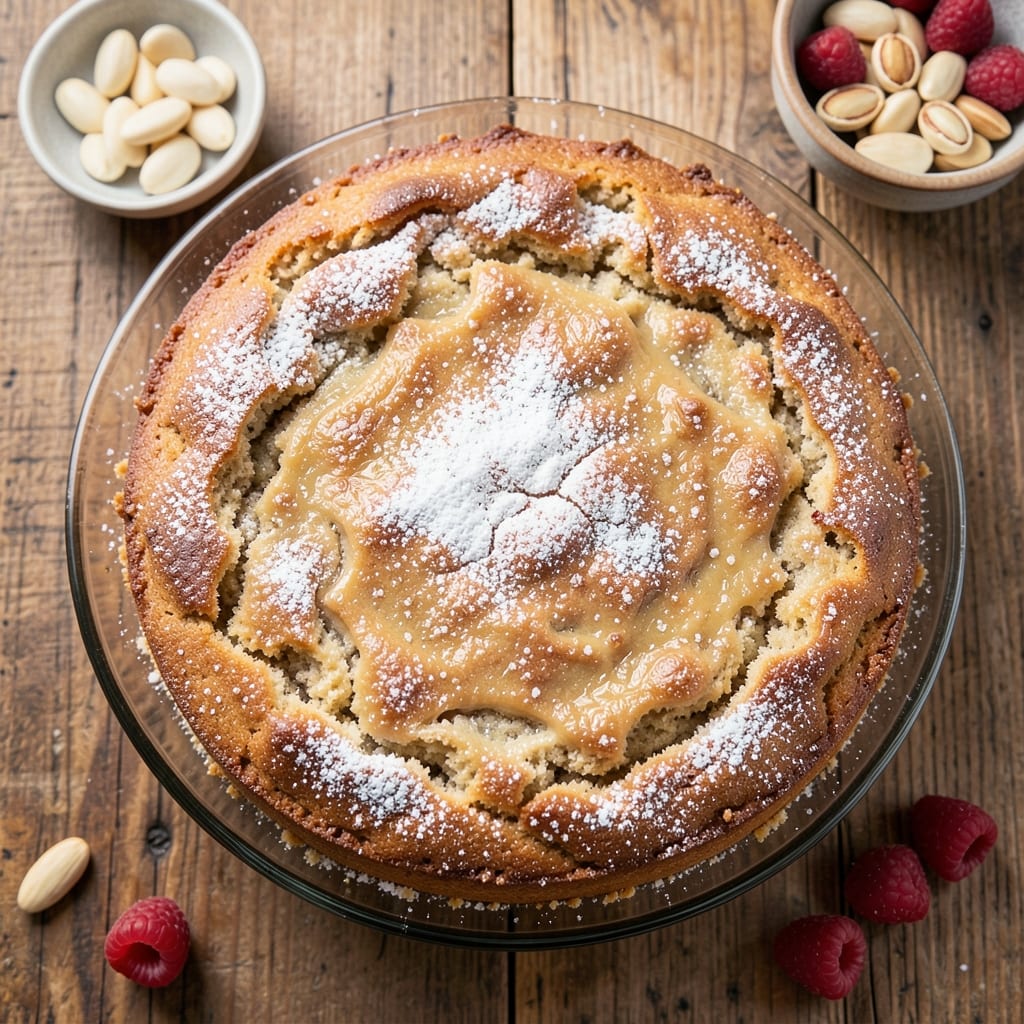
This almond semolina cake recipe delivers a perfect balance of nutty crunch and airy vanilla layers—ideal for special occasions or weekend baking. The contrast between semolina’s subtle graininess and almonds’ rich texture creates a dessert that’s both elegant and satisfying. I developed this recipe after years of experimenting with classic Italian semolina cakes, refining it to achieve a tender crumb with just the right bite.
The secret lies in properly blending the semolina and almond flour, which creates a cohesive yet slightly rustic batter. Unlike traditional cakes, this one relies on almonds for moisture and structure, eliminating the need for excessive eggs or butter. Once baked, the cake emerges with a golden crust and a delicate interior that’s light enough to feel indulgent yet not overly heavy.
When fully cooled, the cake’s texture is a study in contrasts—crispy almond pieces throughout provide structure, while the vanilla-infused semolina base remains tender. The aroma alone will draw everyone to the table, and the first slice reveals layers of flavor that balance sweetness with subtle nuttiness. This is the kind of dessert that feels both comforting and refined.
For added depth, consider incorporating citrus zest or a hint of espresso powder into the batter, or top with a dusting of powdered sugar and fresh berries. The possibilities for customization are endless, but the core technique remains foolproof—perfect for bakers of all levels. Let’s get started on creating this showstopper.
Ingredients for almond semolina cake
These twelve ingredients blend almond richness with semolina’s signature texture for a cake that’s both rustic and refined.
| Ingredient | Amount | Notes |
|---|---|---|
| All-Purpose Flour 🌾 | 2 cups | Sifted for smooth batter |
| Fine Semolina Flour 🌾 | 1 ½ cups | Italian-style preferred |
| Almond Flour 🌰 | 2 cups | Blanched, finely ground |
| Granulated Sugar 🍚 | 1 ½ cups | White or light brown |
| Unsalted Butter 🧈 | 1 cup | Room temperature, cubed |
| Large Eggs 🥚 | 4 whole | Room temperature |
| Pure Vanilla Extract 🌿 | 2 tsp | High-quality, Madagascar |
| Baking Powder 🧂 | 2 tsp | Aluminum-free preferred |
| Salt 🧂 | ½ tsp | Fine sea salt |
| Sliced Almonds 🌰 | 1 cup | Toasted, for topping |
| Powdered Sugar 🍚 | ½ cup | For dusting |
| Whole Milk 🥛 | ½ cup | Room temperature |
The almond flour and semolina are the stars here—Italian semolina gives that signature grainy bite, while almond flour adds moisture and depth. For the best results, grab blanched almond flour from the baking aisle (not the raw kind) and Italian semolina from specialty stores like Whole Foods or King Arthur Flour. The almonds should be toasted until golden—this enhances their flavor dramatically. If you can’t find Italian semolina, cream of wheat works in a pinch, though the texture will be slightly different. Room-temperature butter is crucial for smooth blending—take it out of the fridge 30 minutes before starting.
No almond flour? Ground almonds from a food processor work just fine, but pulse them until they’re ultra-fine to mimic store-bought almond flour. Substituting milk? Oat milk or coconut milk adds richness, but whole milk keeps the cake’s signature moisture. For vanilla, imitation vanilla for that authentic depth. The baking powder should be fresh—if it’s more than 6 months old, test it first by mixing with water (should bubble vigorously). Toasting the almonds? 350°F for 8-10 minutes is perfect—they’ll smell incredible and add that irresistible crunch.
This cake keeps beautifully—3-4 days at room temperature wrapped in parchment, or 1 week refrigerated in an airtight container. For longer storage, freeze slices wrapped individually for up to 3 months. The powdered sugar topping is optional but adds that final touch of elegance. If you’re serving it warm, dust with powdered sugar right after baking while it’s still slightly warm for the best effect. Leftovers? Toasted almonds on top make an easy upgrade—just sprinkle and broil for 2 minutes.
Why You'll Love This Recipe
- Same batter, endless uses: slice for breakfast, cube for dessert, or serve whole for brunch. I’ve even dressed it up with honey and toasted almonds when company drops by—no extra work, just different vibes.
- No Mixer Needed: I swear by this recipe because it’s foolproof—just whisk, fold, pour. The almond flour and semolina blend so smoothly with butter and sugar that you won’t even need an electric mixer. (Yes, even my lazy Sunday mornings work.)
- Crunchy-Creamy Magic: That semolina gives it a textural surprise—a delicate crunch that contrasts perfectly with the tender almond butter richness. Honestly, the first bite makes me forget it’s not a bakery cake.
- Weeknight or Guest Day: Same batter, endless uses: slice for breakfast, cube for dessert, or serve whole for brunch. I’ve even dressed it up with honey and toasted almonds when company drops by—no extra work, just different vibes.
Step-by-step instructions for almond semolina cake
Here's how to create a perfectly balanced cake with a tender crumb and nutty crunch.
Prepare the Dry Ingredients
In a large mixing bowl, whisk together the 2 cups all-purpose flour, 1.5 cups fine semolina flour, 2 cups almond flour, 2 tsp baking powder, and 0.5 tsp salt until completely combined. I use a wire whisk for this step to ensure there are no lumps in the semolina flour, which can create dense pockets in the cake.
Next, sift the dry ingredients through a fine-mesh sieve directly into the bowl. This aerates the flours and removes any potential clumps, resulting in a lighter texture. Set the bowl aside—we'll add the wet ingredients shortly. The semolina flour gives this cake its signature texture, so don't skip this step.
Cream Butter and Sugar
In a separate large bowl, combine the 1 cup unsalted butter (at room temperature) and 1.5 cups granulated sugar. Using an electric mixer on medium speed, beat the mixture for 3-4 minutes until light and fluffy. You'll notice the mixture nearly doubles in volume and becomes pale in color—this incorporates air, which helps create a lighter cake.
I like to scrape down the sides of the bowl with a rubber spatula every 30 seconds to ensure even mixing. The butter should be completely smooth with no graininess remaining. If it looks too thick, let it sit at room temperature for another 5 minutes before proceeding.
Add Eggs and Vanilla
Add the 4 whole large eggs, one at a time, mixing well after each addition. Start on low speed and gradually increase to medium. After all eggs are incorporated, add the 2 tsp pure vanilla extract and mix for an additional 30 seconds until fully combined.
The mixture should be thick and ribbon-like—when you lift the beaters, the ribbon should hold its shape for a few seconds before slowly melting back into the batter. This indicates proper emulsification, which is crucial for a tender crumb. If the batter looks too thin, we'll adjust it in the next step.
Combine Wet and Dry Ingredients
With the mixer on low speed, gradually add the dry ingredients to the wet mixture, alternating with the 0.5 cup whole milk. Start and end with the dry ingredients to ensure even distribution. Mix just until combined—overmixing develops gluten and can make the cake dense.
Once combined, fold in the 1 cup sliced almonds using a rubber spatula. Be gentle to avoid deflating the batter. The almonds will add texture and a delightful crunch to each bite. If the batter is too thick, add 1-2 tablespoons of milk to achieve a smooth, pourable consistency.
Bake to Golden Perfection
Preheat your oven to 350°F. Grease and flour two 9-inch round cake pans or line them with parchment paper. Divide the batter evenly between the pans and smooth the tops with a spatula. Bake for 30-35 minutes, or until a toothpick inserted into the center comes out clean.
I like to rotate the pans halfway through baking for even browning. The cake should be golden on top and have pulled away slightly from the sides of the pan. Let the cakes cool in the pans for 10 minutes, then transfer to a wire rack to cool completely before dusting with 0.5 cup powdered sugar. Serve at room temperature for the best texture.
Pro Tips For Making Almond Semolina Cake
- Sift the Semolina: I learned this the hard way—skipping the sift with semolina means dense, gritty pockets instead of that light, airy texture you’re after. Use a fine-mesh sieve and tap it hard against the bowl to break up any clumps, especially if your semolina isn’t freshly ground. (Yes, even if it looks fine—trust me.) ---
- Toast the Almond Flour: A quick 3-4 minute dry toast in a skillet (low heat, stir often) deepens the nutty flavor and prevents that raw, chalky aftertaste. Cool it completely before mixing—hot almond flour will cook the butter in your batter too fast, and you’ll end up with a cake that sets like cement before it’s done. ---
- Cream Butter and Sugar Slow: Don’t rush the butter-sugar mix—beat it on medium for at least 3 minutes until it’s pale and fluffy, not just "combined." The semolina and almond flour need that airy base to lighten up, or your cake will turn out compact. (I know, I know—it’s tempting to speed through, but this is where the magic happens.) ---
- Test for Doneness Early: This cake’s dense enough that it won’t spring back when pressed, so skip the toothpick test. Instead, tap the sides gently—when it sounds hollow and the top pulls away from the pan edges, it’s done. Overbaking dries out the almond flour, and you’ll end up with a sad, crumbly mess. (Pull it out just before you think it’s ready.)
Serving suggestions for this dish
Classic Serving Style
This cake shines best when served in thin, even slices at room temperature—about ¼-inch thick—to showcase its delicate layers. I like to arrange slices on a gold-rimmed cake stand and dust generously with powdered sugar right before serving. The contrast between the crisp almond topping and tender crumb makes every bite exciting. For a restaurant-worthy touch, garnish with fresh raspberries or edible gold leaf—the tart berries cut through the richness beautifully. 🌸
Warm vs. Cold
While this cake is delicious at room temperature, serving it warm (just out of the oven) creates a magical experience. The golden crust stays crisp, and the vanilla aroma fills the room. If you choose this route, dust with powdered sugar immediately after baking while the cake is still warm for that bakery-fresh look. For cold service, chill for 1 hour in the fridge before slicing—it enhances the almond crunch and makes cutting easier. 🍂
Coffee Pairings
A medium-roast Italian espresso or strong brewed coffee complements the cake’s nutty flavors perfectly. I recommend a flat white or cappuccino with a hint of vanilla syrup to echo the cake’s signature aroma. For a non-coffee option, chilled chamomile tea highlights the cake’s delicate sweetness without overpowering it. Avoid heavy, bitter coffees—they’ll clash with the cake’s delicate balance. ☕
Dessert Plating
For an elegant presentation, layer a slice on a white porcelain plate with a drizzle of honey (about 1 tsp) and a sprinkle of toasted coconut flakes. The honey adds a subtle floral note that enhances the almond flavor. For a modern twist, serve with a dark chocolate ganache (melt 2 oz dark chocolate with 1 tbsp heavy cream) on the side for dipping. The contrast of textures and flavors makes this a showstopper. 🍽️
Seasonal Adaptations
In summer, top slices with fresh berries and a dollop of whipped cream for a light, refreshing dessert. For fall, add a cinnamon dusting and serve with spiced apple compote—the warmth of the spices complements the cake’s nuttiness. During the holidays, garnish with candied citrus peel and a sprinkle of sea salt for a sophisticated touch. Each season brings out a different facet of this versatile cake. 🍎
Make-Ahead Serving
This cake actually tastes better the next day as the flavors meld together. Store leftovers in an airtight container at room temperature for up to 3 days or refrigerate for 5 days. To reheat, warm slices in the oven at 300°F for 5-7 minutes to restore the crust’s crispness. For a party-friendly approach, assemble a cake tower with layers separated by whipped cream or fruit compote—it’s a crowd-pleaser that looks stunning. 🎉
Nutrition facts
Frequently asked questions
Why does this cake use both semolina and almond flour?
The combination creates a perfect texture—semolina adds that signature grainy bite while almond flour provides moisture and richness. This balance prevents the cake from being too dense (like pure almond flour cakes) or too light (like traditional flour-based cakes). The almonds also contribute natural oils that keep the crumb tender.
Can I make this cake gluten-free?
Yes! Replace the 2 cups all-purpose flour and 1.5 cups semolina with 3.5 cups gluten-free 1:1 baking flour (like Bob's Red Mill). Add 1 tsp xanthan gum to improve structure. The texture will be slightly denser, but still delicious. For semolina's graininess, try cornmeal as a substitute.
How do I prevent the cake from being too dry?
Underbaking is the main culprit—always check with a toothpick at 30 minutes. If the batter seems too dry, add 1-2 tbsp milk when combining ingredients. For extra moisture, replace ½ cup milk with ½ cup Greek yogurt or apricot puree. Store leftovers in an airtight container with a slice of bread to absorb excess dryness.
What's the best way to layer this cake?
For a classic look, slice the cooled cake into 3 layers and separate with vanilla whipped cream or lemon curd. Brush layers with a simple syrup (mix ¼ cup water + ¼ cup sugar, heat until dissolved) for extra moisture. Top with toasted almonds and powdered sugar. For a modern twist, use dark chocolate ganache between layers.
Can I add chocolate to this recipe?
Fold in ½ cup chocolate chips or 6 oz chopped dark chocolate with the almonds. For a marbled effect, swirl 2 tbsp melted chocolate into the batter before baking. The chocolate pairs beautifully with the almond's nuttiness. For extra richness, add 1 tbsp cocoa powder to the dry ingredients.