
Desserts
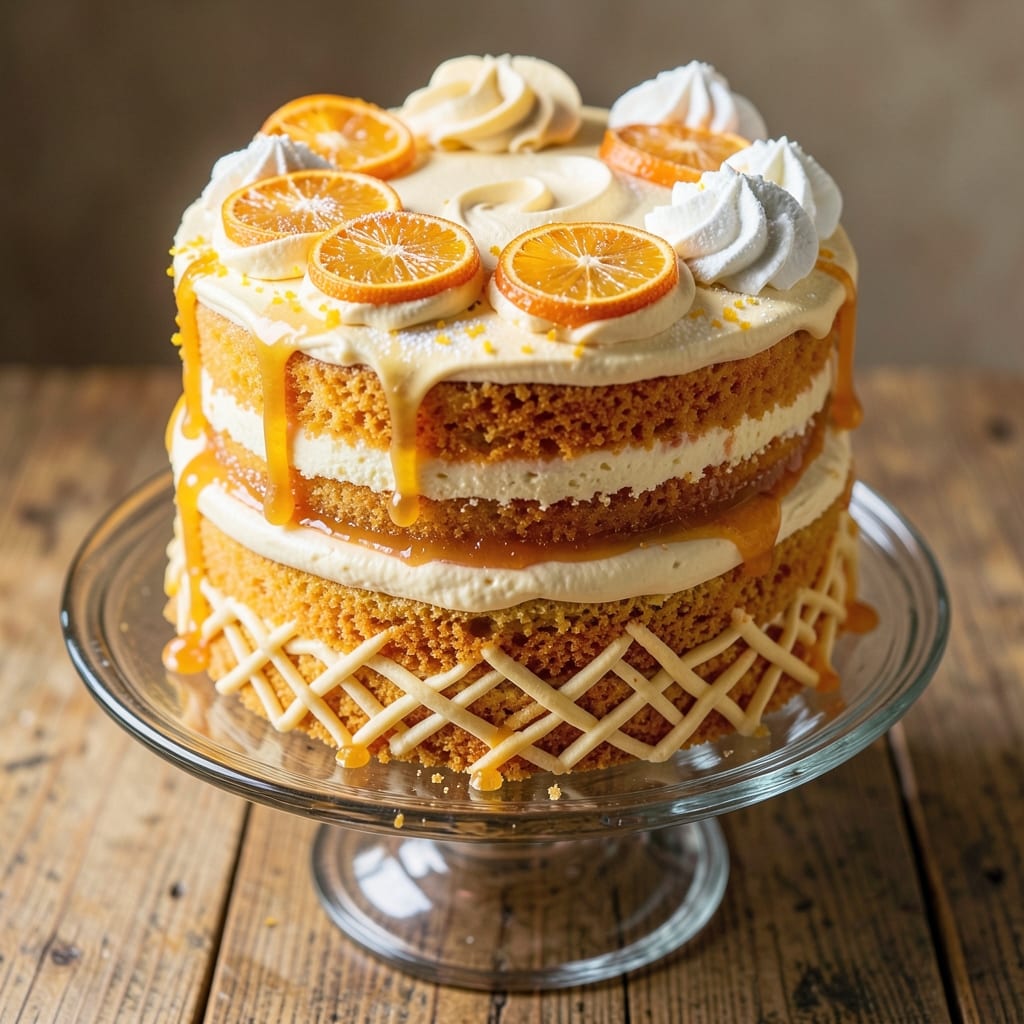
This amazing orange cake recipe delivers bright citrus flavor and layers so moist they'll disappear in seconds. 💛 I perfected it after burning through three batches—each one taught me something new about balancing sweetness with zesty orange notes. The secret? A simple glaze that turns ordinary cake into showstopper perfection.
What sets this apart is the ultra-moist texture achieved with a few clever tricks: buttermilk for tenderness, orange zest for flavor, and a touch of yogurt to keep it light. No fancy equipment needed—just a standard cake pan and a whisk. The cake bakes up with a golden top and just the right amount of spring, while the glaze adds that professional touch without being overly sweet.
Every bite combines the warm vanilla base with bursts of fresh orange—bright enough to wake up your taste buds but balanced so it doesn't overpower. The glaze? It's the game-changer: sticky, citrusy, and perfect for drizzling over slices or stacking with fresh berries. This isn't just cake; it's a dessert that feels like a hug for your sweet tooth.
Whether you're celebrating a birthday, need a showstopper for a dinner party, or just craving something special, this recipe delivers. The best part? It's foolproof enough for beginners but impressive enough to wow experts. Let's get baking—your kitchen will smell like sunshine in no time.
Ingredients for amazing orange cake
Bright citrus and ultra-moist layers—just 14 ingredients for sunshine in every bite.
| Ingredient | Amount | Notes |
|---|---|---|
| All-Purpose Flour 🌾 | 2 ½ cups | Sifted for light texture |
| Granulated Sugar 🍚 | 2 cups | White or light brown |
| Orange Zest 🍊 | 2 tbsp | Freshly grated from 2 oranges |
| Large Eggs 🥚 | 3 whole | Room temperature preferred |
| Buttermilk 🥛 | 1 cup | Full-fat for richness |
| Plain Yogurt 🍶 | ½ cup | Greek or regular style |
| Orange Juice 🍊 | ½ cup | Freshly squeezed preferred |
| Unsalted Butter 🧈 | 1 cup | Softened, not melted |
| Baking Powder 🧂 | 2 tsp | Aluminum-free preferred |
| Salt 🧂 | ½ tsp | Fine sea salt |
| Vanilla Extract 🌿 | 2 tsp | Pure vanilla preferred |
| Powdered Sugar 🍚 | 1 ½ cups | For glaze |
| Orange Juice 🍊 | ¼ cup | For glaze, freshly squeezed |
| Heavy Cream 🥛 | ¼ cup | For glaze consistency |
The oranges are your flavor anchors here. Navel oranges work best—their thick zest packs more flavor than blood oranges. I grab mine from the produce section at Whole Foods when they're in season, but any grocery store's citrus aisle will do. Look for firm, heavy oranges with vibrant skin—those are your sweetest, juiciest picks. The zest needs to be fresh for that bright citrus punch, so don't skip grating it yourself. For the juice, one orange yields about 0.5 cup, so plan accordingly. If you're using store-bought orange juice, go for the freshly squeezed kind—none of that pasteurized stuff that tastes like nothing.
No buttermilk? Mix 1 tbsp vinegar or lemon juice with 1 cup milk—it's foolproof. Swapping out the yogurt? Applesauce at half the amount keeps it moist, though you'll lose some tang. For the glaze, if you're short on powdered sugar, white sugar blended into a fine powder works in a pinch (pulse it in a food processor). The vanilla extract is non-negotiable here—imitation vanilla will make the whole cake taste off. And if you're wondering about the baking powder, Diamond Crystal is my go-to—it's gentler than other brands. The cake needs that lift, but too much can make it dense. Measure it carefully, and don't pack it down when scooping.
The cake keeps beautifully—3 days at room temperature covered loosely with plastic, or 5 days in the fridge for maximum freshness. The glaze hardens as it cools, so bring it to room temp before serving. I like to make the glaze a day ahead and store it separately—it sets into a thick, spreadable consistency that's perfect for drizzling. For extra shine, brush the cake layers with a tiny bit of orange liqueur (like Cointreau) before glazing—just 1 tsp makes all the difference. And if you've got leftovers, freeze the whole cake (unfrosted) for up to 3 months. Thaw overnight at room temperature, then glaze fresh for that just-baked look.
Why You'll Love This Recipe
- No Mixer Needed: I swear by this recipe when I’m in a rush—just whisk the eggs, fold in the flour, and let the buttermilk do the heavy lifting. The orange zest brightens everything without extra effort, and honestly? My stand mixer stays put for this one.
- Zesty Magic: That citrus punch from the zest? It’s not cloyingly sweet—just enough tang to wake up your taste buds, and the buttermilk keeps it moist without being heavy. The sugar caramelizes just right, giving it that perfect balance of rich and refreshing.
- Showstopper for Any Event: Between us, this cake is my go-to for birthdays, brunch, or even a last-minute potluck. The buttermilk base makes it sturdy enough for layers, and the orange flavor feels fancy without being complicated. (Yes, even on a Tuesday night.)
- Leftovers That Don’t Suck: I’ve made this cake twice in a week, and it’s still delicious the third day—no weird dryness, no sad crumbs. Slice it thin for sandwiches, or just grab a fork. The eggs and buttermilk keep it tender, so it’s actually a win to have extras.
Step-by-step instructions for orange cake with zesty glaze
Here's how to bake a cake so moist it practically oozes orange flavor.
👨🍳 Step 1: Whisk Wet Ingredients for Maximum Moisture
In a large mixing bowl, combine the 1 cup softened unsalted butter, 2 cups granulated sugar, 3 whole large eggs, 1 cup buttermilk, 0.5 cup plain yogurt, 0.5 cup orange juice, 2 tbsp orange zest, 2 tsp vanilla extract, 0.5 tsp salt, and 2 tsp baking powder. I like to whisk everything together until it's completely smooth—you should see the mixture lighten in color and become slightly thickened.
This step is crucial for that ultra-moist texture. The combination of buttermilk and yogurt creates a tender crumb, while the orange juice and zest infuse every bite with bright citrus flavor. Don't rush this—whisk for about 3-4 minutes until it's perfectly blended and slightly thickened. You'll notice the mixture will be lighter and fluffier than you expect.
👨🍳 Step 2: Gently Fold in the Dry Ingredients
In a separate bowl, sift together the 2.5 cups all-purpose flour. With a rubber spatula, gently fold about ⅓ of the flour into the wet mixture until just combined. Then alternate adding the remaining flour in two more additions, folding gently after each to maintain an airy texture.
Here's the thing—overmixing develops gluten, which makes the cake tough. You're looking for a batter that's just combined with a few flour streaks remaining. The batter should be thick but pourable, like heavy pudding. If it looks too thick, don't worry—the cake will rise beautifully in the oven.
🔥 Step 3: Bake Until Golden and Springy
Preheat your oven to 350°F and grease two 8-inch round cake pans. Divide the batter evenly between the pans. Bake for 25-30 minutes until the tops are golden brown and a toothpick inserted in the center comes out clean. I usually check at the 20-minute mark because ovens vary—you want the cake to be just set but still slightly springy to the touch.
Don't overbake! The cake will continue cooking slightly as it cools. When you pull it out, let it cool in the pans for 10 minutes before transferring to a wire rack. This prevents the cakes from cracking as they cool completely. The edges should pull away from the pan easily, and the center should be moist but fully set.
🥘 Step 4: Make the Orange Cream Glaze
While the cakes cool, make the glaze by whisking together 1.5 cups powdered sugar, 0.25 cup orange juice, and 0.25 cup heavy cream in a medium bowl. The glaze should be thick but pourable—if it's too thick, add 1-2 teaspoons more orange juice until it reaches a smooth drizzling consistency.
Here's where the magic happens: the glaze adds that professional-looking finish while keeping the cake moist. I like to strain the glaze through a fine-mesh sieve to remove any lumps, giving it that silky texture. The combination of powdered sugar, orange juice, and heavy cream creates a perfect balance of sweetness and tang.
🍽️ Step 5: Assemble and Glaze for Perfect Presentation
Once the cakes are completely cool, place one layer on a serving plate. Spread a thin layer of the orange cream glaze on top, then add the second layer. Pour the remaining glaze over the top and sides, letting it drip slightly for that bakery-style finish. For extra flair, I like to sprinkle a pinch of orange zest on top before serving.
This cake is best served at room temperature, so let it sit for about 30 minutes before slicing. The glaze will set slightly, creating that beautiful glossy finish. Each slice should be moist, tender, and bursting with orange flavor—exactly what you'd expect from an amazing orange cake!
Pro Tips For Making Amazing Orange Cake
- Whisk Eggs Room-Temp: DESCRIPTION: Cold eggs from the fridge beat like glue—literally. Let them sit in warm water for 5 minutes first, then whisk until the yolks and whites are fully blended and pale. I learned this the hard way when my cake turned dense and chewy instead of tender.
- Sift That Flour: DESCRIPTION: Don’t just dump the flour—sift it with the sugar first. This aerates the dry ingredients and prevents lumps, which is especially important for buttermilk-heavy batters. (Yes, even if you’re impatient like me.)
- Bake at 325°F: DESCRIPTION: Skip the urge to crank the oven to 350°F—this cake needs slow, even heat to rise properly. At 325°F, the center sets gently without over-browning the top. I was skeptical until I tried it, and now it’s non-negotiable.
- Measure Zest Precisely: DESCRIPTION: Too much orange zest makes the cake bitter; too little leaves it bland. Use a microplane and measure exactly 2 tablespoons—enough to brighten but not overpower. (And for heaven’s sake, don’t use dried zest—it’s a game-changer.)
Regional styles of this recipe
Southern U.S. Style
Down South, this cake gets a rich twist by adding 1 tsp cinnamon and ½ tsp nutmeg to the dry ingredients. Southern bakers often use 1 cup sour cream instead of yogurt for extra tenderness, and some even fold in ½ cup crushed pineapple (drained) for a tropical citrus-pineapple fusion. The glaze might include a splash of bourbon—just 1 tbsp—for depth. Serve with a dollop of whipped cream and fresh peaches for that classic Southern dessert vibe. 🍑
British Orange Cake
In the UK, this cake often features ½ cup apricot jam sandwiched between layers instead of glaze, creating a classic "jammy dodger" twist. The British version also calls for ½ cup self-raising flour (instead of all-purpose) and reduces the baking powder to 1 tsp. For extra flair, they dust the top with icing sugar and add candied peel. The glaze is sometimes replaced with a simple lemon curd drizzle—just ½ cup lemon curd warmed slightly and brushed on top. 🇬🇧
Scandinavian Orange Cardamom
Nordic bakers elevate this cake with 1 tbsp ground cardamom and ½ cup sour cream for a lighter texture. The glaze gets a Nordic touch with 1 tbsp aquavit (Swedish vodka) and a pinch of salted caramel—just 2 tbsp—mixed in for a sweet-savory balance. Serve with lingonberry jam on the side or a sprinkle of crushed hazelnuts for crunch. The result is a cake that’s both bright and cozy—perfect for chilly afternoons. ❄️
Italian Orange-Almond
Italian versions often replace ½ cup of flour with almond flour for a nutty depth, and they fold in ½ cup finely chopped almonds into the batter. The glaze gets a Mediterranean twist with 1 tbsp orange liqueur (like Cointreau) and a sprinkle of toasted almond slices on top. For extra richness, some bakers add 1 tbsp mascarpone cheese to the glaze. Pair it with a cup of espresso for a dessert that feels like a holiday treat. ☕
French Orange-Bloom
In France, this cake often includes 1 tbsp orange blossom water for a floral note, and the glaze is replaced with a orange curd—just ½ cup curd spread between layers. The French also love to dust the top with powdered sugar and garnish with fresh berries or a sprinkle of edible gold leaf for a luxurious finish. For an extra touch, brush the layers with Grand Marnier** before assembling. 🌸
Nutrition facts
Frequently asked questions
Can I use bottled orange juice instead of fresh?
Freshly squeezed orange juice gives the best flavor, but if you must use bottled, choose 100% pure, not-from-concentrate juice. Avoid \"from concentrate\" versions—they lack the bright citrus notes. For the glaze, bottled juice works fine, but reduce it by 1 teaspoon since it's often less acidic than fresh. The zest must always be fresh for that zingy kick!
Why did my cake turn out dry?
Dry cake usually means overbaking or insufficient moisture. Check your oven temperature with an oven thermometer—it might be running hotter than 350°F. Also, ensure you're using full-fat yogurt and buttermilk (non-fat versions dry out the cake). For extra moisture, brush the warm layers with 2 tablespoons orange juice before adding glaze.
How do I make this cake gluten-free?
Replace the 2.5 cups all-purpose flour with a 1:1 gluten-free baking flour blend (like Bob's Red Mill). Add 1 teaspoon xanthan gum to help bind the crumb. Use ½ cup almond flour instead of yogurt for richness, and reduce the orange juice to ¼ cup since gluten-free batters absorb more liquid. Bake at 325°F for 35-40 minutes to prevent over-browning.
Can I bake this in a sheet pan instead of round pans?
Yes! Grease a 9x13-inch sheet pan and spread the batter evenly (about ½-inch thick). Bake for 25-30 minutes at 350°F. For a layered effect, cut the cooled cake into strips and stack them with glaze between layers. This works great for sheet cake servings—just adjust the glaze quantity to 2 cups total for full coverage.
What's the best way to store leftovers?
Wrap the cake tightly in plastic wrap at room temperature for 3 days, or refrigerate for 5 days. For longer storage, freeze the unfrosted cake layers (separately) for up to 3 months. Thaw overnight in the fridge, then glaze fresh. The glaze hardens when chilled, so bring slices to room temp 10 minutes before serving for that perfect texture.