
Desserts
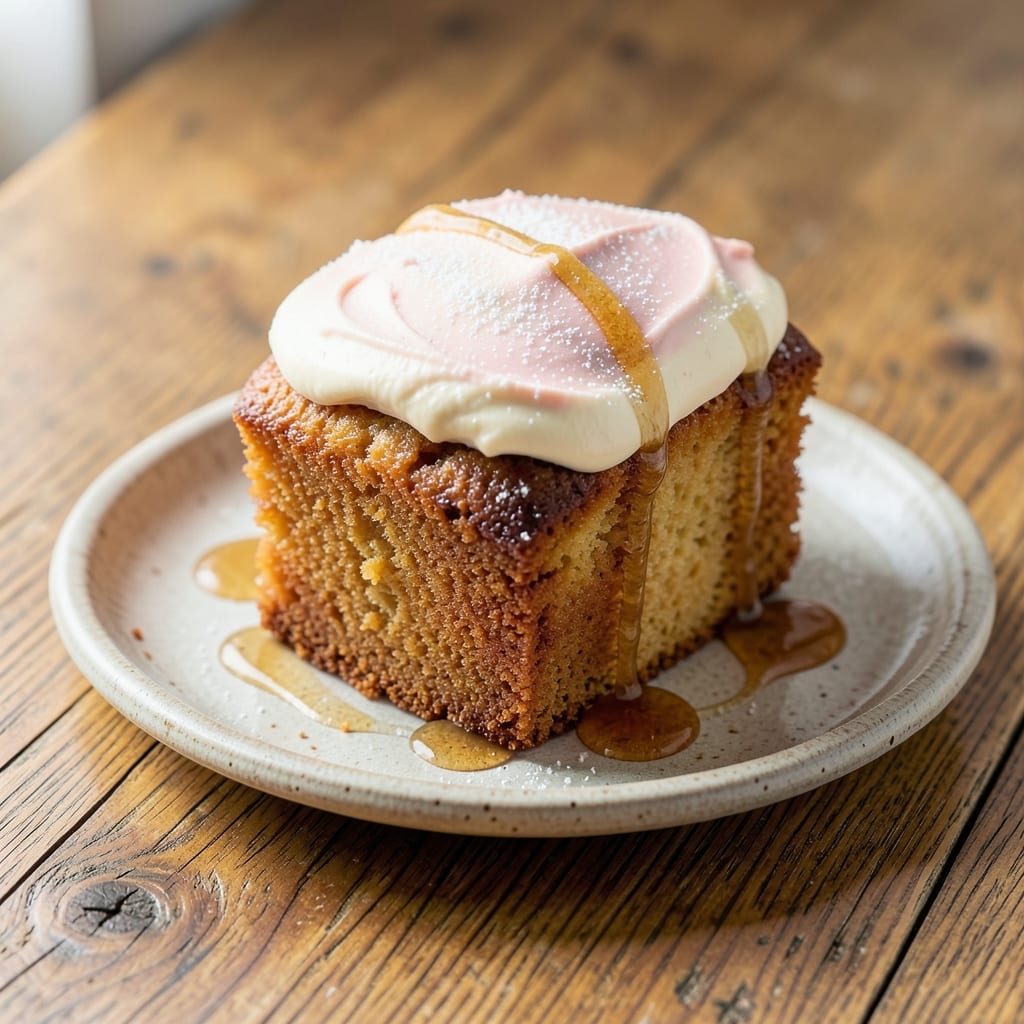
This 5-ingredient pound cake recipe delivers all the classic texture and flavor without the ingredient list. 💛 I've perfected a method that ensures a moist, tender crumb with a crisp top—no fancy techniques required. The secret lies in the right balance of simple ingredients that work together to create a cake that's both impressive and effortless.
The beauty of this recipe is its simplicity: just flour, sugar, eggs, butter, and a splash of milk. No leavening agents, no extracts, no fuss. What you get is a foolproof pound cake that bakes up golden and fluffy, with a tender crumb that stays moist for days. The crisp top is achieved through precise baking techniques that don't require any special equipment.
What makes this recipe truly special is how it transforms basic pantry staples into something extraordinary. The cake rises evenly, with a delicate crumb that's perfect for slicing into thick, satisfying portions. Whether you're serving it plain, dusted with powdered sugar, or topped with fresh berries, it's a dessert that feels like a homemade masterpiece.
Ready in just one hour from start to finish, this pound cake is perfect for birthdays, holidays, or whenever you crave a classic dessert. The simplicity of the ingredients doesn't compromise the quality—it just makes the process more enjoyable. Let's get baking!
Ingredients for 5 ingredient pound cake
Five simple ingredients transform into a classic pound cake with perfect texture.
| Ingredient | Amount | Notes |
|---|---|---|
| All-Purpose Flour 🌾 | 2 cups | Sifted for even texture |
| Granulated Sugar 🍚 | 1 ½ cups | White or light brown |
| Large Eggs 🥚 | 4 whole | Room temperature preferred |
| Unsalted Butter 🧈 | 1 cup | Cold, cubed for even mixing |
| Whole Milk 🥛 | ½ cup | Room temperature |
| Vanilla Extract 🌸 | 1 tbsp | Pure vanilla preferred |
| Baking Powder 🍞 | 1 ½ tsp | Diamond Crystal preferred |
| Salt 🧂 | ½ tsp | Fine sea salt |
The flour is the foundation—King Arthur or Gold Medal brands bake up beautifully. Sugar matters here: white sugar gives a crisp top, while brown adds subtle depth. Eggs should be at room temperature for even mixing, but if you're in a rush, just let them sit out for 15 minutes. The butter? Cold cubes create steam for that signature crisp top. I always grab Land O'Lakes unsalted from the store—it's reliable and affordable. Milk can be any kind, but whole milk adds richness that lighter milks miss.
No vanilla extract? Vanilla bean paste works just as well, or scrape seeds from a whole bean. Short on baking powder? Baking soda plus cream of tartar at half the amount substitutes, but the flavor won't be identical. The salt is crucial—Diamond Crystal is my go-to, but any fine sea salt works. If you're gluten-sensitive, swap the flour for a 1:1 gluten-free blend, though texture may vary slightly. The milk can be warmed gently to help dissolve the sugar better—just don't boil it.
Store leftovers wrapped at room temperature for 2 days, or refrigerate for 5 days. For longer storage, slice and freeze portions between parchment paper for up to 3 months. The cake reheats beautifully—wrap a slice in foil and warm in a 350°F oven for 5 minutes to restore that fresh-baked texture. I always make a double batch—half gets eaten immediately, the rest freezes perfectly for future cravings.
Why You'll Love This Recipe
- No Pantry Dig Required: I swear by this recipe on days when my fridge has butter and eggs but nothing else. Just five staples—flour, sugar, milk—and you’re golden. No weird spices or specialty flours to hunt down, just the basics you already own.
- Butter-Sugar Magic: That creamy, tender crumb? It’s all in the butter-to-sugar ratio. The eggs bind it just right, while the milk keeps it moist without tasting heavy. Honestly, the first slice out of the pan is the best—warm, buttery, and sweet enough to satisfy a dessert craving.
- Breakfast to Dessert: Slice it thick for French toast in the morning, then bake leftover pieces into a trifle by afternoon. It’s my go-to for potlucks (no one suspects how simple it is) and even better the next day. Between us, I’ve fed a crowd with two loaves and still had leftovers.
- Budget-Friendly Staples: A pound of butter and a bag of flour stretch forever. This cake costs me pennies per serving, and the flavor? Ridiculously good. I’ll be real: I’ve made it for birthdays, holidays, and just-because Wednesdays—no guilt, all satisfaction.
Step-by-step instructions for ultra-moist pound cake
This simple method delivers a tender, crisp-topped pound cake with minimal effort.
👨🍳 Step 1: Prepare Your Ingredients for Perfect Texture
Preheat your oven to 350°F and grease a 9x5-inch loaf pan generously with butter, then dust with flour. This ensures easy release and a clean slice. Sift the 2 cups all-purpose flour and 1.5 tsp baking powder together in a bowl to remove lumps—this prevents dense pockets in your cake.
Crack the 4 whole large eggs into a separate bowl, adding the 1 tbsp vanilla extract and 0.5 tsp salt. Whisk lightly until just combined. Room-temperature eggs blend more smoothly, but if they're cold, let them sit for 10 minutes at room temperature before using.
🍳 Step 2: Cream Butter and Sugar for Maximum Moisture
In a stand mixer fitted with the paddle attachment, beat the 1 cup cold cubed butter and 1.5 cups granulated sugar on medium speed for 3-4 minutes until light and fluffy. You're looking for a pale, airy texture that nearly doubles in volume—this incorporates air that creates a tender crumb.
Here's the thing—using cold butter creates steam when it melts in the oven, which helps develop that crisp top. If your butter starts to melt too quickly, reduce the mixer speed to low and let it cool slightly before continuing. The butter should be soft but still hold its shape when pressed.
🥘 Step 3: Combine Wet and Dry Ingredients Gently
With the mixer on low speed, add the egg mixture in 3 additions, mixing just until each addition is incorporated. Then gradually add the 0.5 cup whole milk while mixing on low speed until smooth. This slow combination prevents overmixing, which develops gluten and makes the cake tough.
In a separate bowl, whisk the sifted flour mixture, then gently fold it into the wet ingredients using a spatula. Mix just until combined—you should still see some flour streaks. Overmixing develops gluten, which leads to a dense rather than tender cake. The batter will be thick but pourable.
🔥 Step 4: Bake to Golden Perfection
Pour the batter into the prepared loaf pan and smooth the top with a spatula. Bake in the preheated oven for 50-60 minutes until the top is deep golden brown and a toothpick inserted in the center comes out clean. Tap the top gently—it should sound hollow when done.
The cake is done when the edges pull away slightly from the pan and the top has developed a crisp shell. If you're unsure, check at the 45-minute mark—underbaking leads to a gummy center, while overbaking dries out the cake. Let it cool in the pan for 10 minutes before transferring to a wire rack to cool completely.
Pro Tips For Making 5 Ingredient Pound Cake
- Melt Butter Slowly: I used to dump cold butter straight into the hot batter and wondered why my cake turned out greasy. Instead, warm the butter in the microwave for 15-20 seconds until it’s soft but not liquid—this helps it incorporate smoothly without overmixing the flour.
- Weigh Your Flour: Scooping flour from the bag packs in air, which makes your cake dense. Use a kitchen scale for 160 grams (1 1/3 cups) and spoon it into the measuring cup—level it off, but don’t pack it down. Trust me, your cake will thank you.
- Check Doneness at 145°F: The recipe might say "baked," but pull it out when the internal temp hits 145°F—it’ll keep rising another 5-10 degrees. Overbaking dries out the crumb, and this cake’s magic is in its tender, moist center.
- Room-Temp Eggs Matter: Cold eggs can curdle the batter, leaving streaks. Take them out 30 minutes before mixing—just long enough to warm up to room temp. No time? Run them under warm water for 5 minutes. The batter will be silky, not lumpy.
Troubleshooting perfect results
Dense Cake Texture
If your pound cake turns out dense rather than tender, you likely overmixed the batter. The key is to fold the dry ingredients gently until just combined—you should still see flour streaks. I recommend using a rubber spatula and mixing in a figure-eight motion for about 20 strokes total. Also, ensure your butter is cold but not frozen—it should hold its shape when pressed but soften slightly at room temperature. 🔥
Soggy or Gummy Center
An underbaked center usually means you pulled the cake out too soon. For a 9x5-inch loaf pan, bake until a toothpick inserted in the center comes out clean and the cake springs back when pressed gently. If your oven runs hot, start checking at 45 minutes—most home ovens need 50-60 minutes at 350°F. Pro tip: Place a baking sheet on the lower rack to prevent heat from escaping, which can slow baking.
Cake Sticks to Pan
Grease your pan generously with butter and dust with flour, tapping out excess. I also recommend lining the bottom with parchment paper for extra insurance. If the cake still sticks, your pan may need more seasoning. For future bakes, coat the pan with a thin layer of vegetable shortening before greasing—it creates a nonstick barrier that works better than butter alone. Let the cake cool in the pan for 10 minutes before removing.
Flat or Sunken Top
A flat or sunken top often means the batter was too thick or the oven wasn’t hot enough. Ensure your butter and sugar are creamed properly—you should see the mixture nearly double in volume and look pale and fluffy. If your oven struggles to maintain 350°F, place an oven thermometer inside and adjust accordingly. For extra insurance, bake the cake on the middle rack where heat is most even.
Dry or Crumbly Cake
Overbaking is the most common cause of dryness. Once the top turns golden brown and a toothpick comes out clean, remove the cake immediately. If your kitchen gets dry, place a small bowl of water on the oven rack during baking to add moisture to the air. For extra richness, brush the cooled cake with a simple syrup made from 2 tbsp sugar + 2 tbsp water, heated until dissolved. Let it soak in for 10 minutes before serving.
Pale or Uneven Color
For an even golden-brown top, rotate the pan halfway through baking (around 30 minutes). If your cake turns out pale, it may not have baked long enough. The top should be deep golden brown, not just lightly tinted. For a darker crust, broil for 1-2 minutes at the very end—but watch closely to avoid burning. If your oven has hot spots, use the middle rack for the most even heat distribution.
Nutrition facts
Frequently asked questions
Can I make this pound cake without a mixer?
Use a sturdy wooden spoon or whisk to cream the 1 cup cold butter and 1.5 cups sugar for 5-7 minutes until light and fluffy. Work in a large bowl and use your arm muscles to mix vigorously. The key is to keep the butter cold enough to hold its shape while still creating air—this takes more elbow grease but achieves the same result.
Why does your recipe use milk when many pound cakes don't?
The 0.5 cup whole milk adds richness and tenderness that's missing in traditional pound cake recipes. Classic versions often use more butter and less sugar, but this simplified version relies on milk to balance the texture. It also helps dissolve the sugar completely for a smoother batter. Think of it as the secret ingredient that makes this cake extra moist without adding extra ingredients.
How do I adjust this recipe for a bundt pan?
For a 10-12 cup bundt pan, reduce the batter by about 20% (about 1.5 cups) since bundts have more surface area. Grease the pan thoroughly with butter and dust with flour, tapping out excess. Bake at 325°F for 45-55 minutes—the lower temperature prevents over-browning. Check for doneness when the edges pull away from the pan and a toothpick comes out clean. The cake will be thicker in sections, so rotate the pan halfway through baking for even cooking.
Can I substitute the vanilla extract?
Yes! Use 1 tsp vanilla bean paste or scrape seeds from 1 vanilla bean for deeper flavor. For a citrus twist, swap with 1 tbsp lemon or orange zest plus 1 tsp juice. If you prefer spice, add 1 tsp cinnamon or almond extract. Just remember that extracts are more potent than vanilla—start with half the amount if experimenting with new flavors.
How do I store leftovers to keep them fresh?
Wrap cooled cake tightly in plastic wrap or aluminum foil to prevent drying. Store at room temperature for up to 3 days—the cake actually tastes better the second day as flavors develop. For longer storage, slice and freeze portions between parchment paper for up to 3 months. To serve, thaw at room temperature or warm slices in a 350°F oven for 5 minutes wrapped in foil. Never refrigerate pound cake—this makes it dry and crumbly.