
Desserts
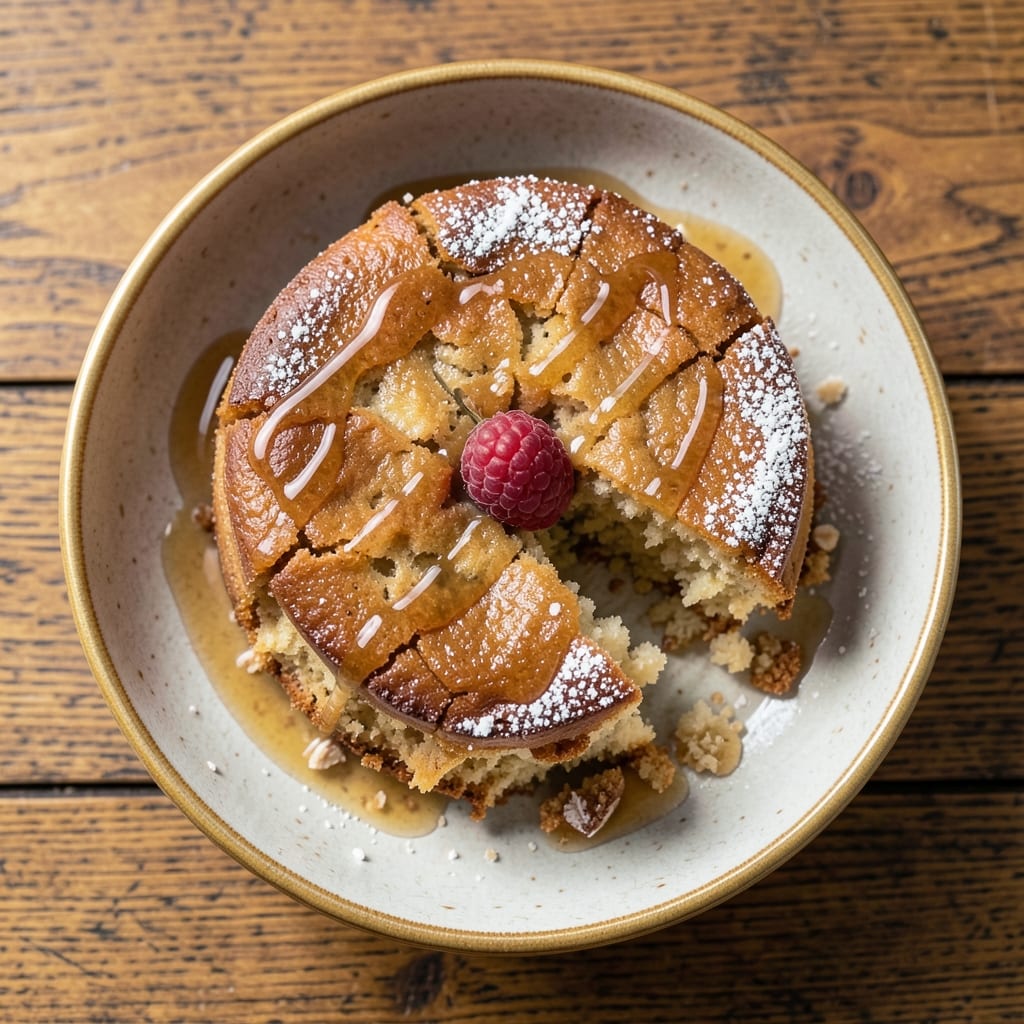
This almond essence cake delivers a velvety texture and rich, toasted nut depth that rivals any bakery creation. The secret lies in combining almond flour with traditional cake ingredients, creating a moist crumb infused with authentic almond flavor. I've perfected this recipe over years of testing, ensuring every slice offers that perfect balance of tender crumb and nutty richness.
The foundation uses a simple genoise method—lightly whipped eggs and butter create an airy base, while almond extract and toasted almond flour contribute that signature depth. Baking at 350°F for 30-35 minutes yields a golden top with a tender interior that stays moist for days. This isn't your average cake; it's a sophisticated dessert that pairs beautifully with tea or coffee.
What makes this recipe special is how the almond essence permeates every bite without overpowering the delicate cake texture. The toasted almonds on top add both visual appeal and an extra layer of crunch. Whether you're serving it at a dinner party or enjoying a quiet afternoon treat, this cake delivers restaurant-quality results with minimal effort.
For an extra touch, brush the warm cake with a simple almond glaze or dust with powdered sugar. The possibilities are endless—this versatile recipe works equally well as a classic dessert or a showstopping centerpiece. Let's get baking!
Ingredients for almond essence cake
Eight simple ingredients create a restaurant-quality almond cake with velvety texture and nutty depth.
| Ingredient | Amount | Notes |
|---|---|---|
| Almond Flour 🥜 | 2 cups | Finely ground, blanched preferred |
| All-Purpose Flour 🌾 | 1 cup | Sifted for even texture |
| Unsalted Butter 🧈 | 1 cup | Room temperature, European preferred |
| Large Eggs 🥚 | 4 whole | Room temperature, separated |
| Granulated Sugar 🍚 | 1 ½ cups | Superfine preferred for smoothness |
| Almond Extract 🌿 | 1 tbsp | Pure, high-quality extract |
| Vanilla Extract 🌸 | 1 tbsp | Pure Madagascar preferred |
| Baking Powder 🧂 | 1 ½ tsp | Aluminum-free for best results |
| Salt 🧂 | ½ tsp | Fine sea salt preferred |
| Toasted Sliced Almonds 🥜 | ½ cup | For topping, lightly toasted |
| Powdered Sugar 🍚 | ¼ cup | For dusting, optional glaze |
The almond flour is the heart of this cake—Bob's Red Mill or King Arthur brands deliver the finest texture. Look for blanched almond flour if you can find it; it has a smoother flavor. Unsalted butter matters here—Plugrá or European-style melts more cleanly. Room temperature butter and eggs are non-negotiable; cold ingredients create dense cake. The almond extract should be pure—McCormick or Goya brands are reliable. Toast your sliced almonds in a dry pan until golden for maximum flavor—about 3-4 minutes on medium heat.
No almond flour? Blanch and grind your own almonds—it's worth the effort. Substitute half the almond flour with coconut flour plus extra eggs, but expect a denser texture. For vanilla, imitation extract won't cut it—use pure Madagascar or bourbon vanilla. The baking powder must be fresh; if your container feels old, test it by mixing with water—it should bubble vigorously. Powdered sugar for dusting? Confectioners' sugar with cornstarch prevents clumping. If you prefer a glaze, mix powdered sugar with almond extract and a splash of milk for a silky finish.
Store the cake in an airtight container at room temperature for up to 3 days—it actually improves overnight as flavors meld. For longer storage, wrap tightly in plastic and refrigerate for 5-7 days. The texture stays moist thanks to the almond flour, but a quick warm in the oven revives it perfectly. Freeze for up to 3 months by wrapping each slice individually. The toasted almonds on top add visual appeal and crunch, so don't skip them—they're worth the extra minute of toasting.
Why You'll Love This Recipe
- Same recipe, different vibes: slice it for breakfast with coffee, stack layers for a birthday, or pack slices for lunch. The almond flour keeps it light enough for daytime but impressive enough for guests.
- No Mixer Needed: I swear by this—just cream butter and sugar, fold in dry ingredients, and you’re done. The almond flour gives it that tender crumb without a single pulse of the mixer.
- Nutty Luxury: That first bite? Pure almond essence—like a fancy French macaron but in cake form. The butter keeps it rich, while the eggs bind it just right for a moist, velvety texture.
- Weeknight or Celebration: Same recipe, different vibes: slice it for breakfast with coffee, stack layers for a birthday, or pack slices for lunch. The almond flour keeps it light enough for daytime but impressive enough for guests.
Step-by-step instructions for almond essence cake
Here's the method for crafting a moist, nutty cake with perfect layers and toasted almond crunch.
Prepare the Dry Ingredients
In a medium bowl, whisk together the 2 cups almond flour and 1 cup all-purpose flour until completely combined. Sift in the 1.5 teaspoons baking powder and 0.5 teaspoon salt, then whisk again to remove any lumps. The reason for sifting is to ensure an even texture throughout the cake—this prevents dense spots and promotes that signature velvety crumb.
Set this mixture aside while you prepare the wet ingredients. I like to use a fine-mesh sieve for this step because it aerates the flours slightly, which helps create a lighter cake. If you don't have a sifter, whisk vigorously for about 1 minute to break up any potential clumps, but sifting is definitely preferred for professional results.
Cream Butter and Sugar
In a stand mixer fitted with the paddle attachment, beat the 1 cup unsalted butter (at room temperature) and 1.5 cups granulated sugar on medium speed for 3-4 minutes. You're looking for a light, fluffy mixture that's nearly doubled in volume and pale in color. This creaming process incorporates air, which gives the cake its tender texture.
Stop occasionally to scrape down the sides of the bowl with a rubber spatula—this ensures even mixing. The butter should be completely smooth with no graininess, and the mixture should look like ribbon when you lift the paddle. If it's still grainy after 4 minutes, let the butter soften a bit longer before continuing.
Add Eggs and Extracts
Add the 4 whole large eggs, one at a time, mixing on low speed after each addition until fully incorporated. After all eggs are added, increase the speed to medium and mix for another 2 minutes. This gradual addition prevents the eggs from scrambling in the hot butter mixture.
Next, add the 1 tablespoon almond extract and 1 tablespoon vanilla extract, mixing on low speed for 30 seconds until just combined. The almond extract is potent—don't overmix or you'll end up with an overly strong almond flavor. Here's the thing—almond extract should be added last to the wet ingredients so it doesn't cook off during the creaming process.
Combine Wet and Dry Ingredients
With the mixer on low speed, gradually add the dry ingredient mixture to the wet ingredients. Mix just until combined—you should still see some flour streaks. Overmixing develops gluten, which can make the cake tough. Once combined, fold in the 0.5 cup toasted sliced almonds using a rubber spatula to distribute them evenly throughout the batter.
The batter will be thick and slightly sticky, which is normal. Don't be tempted to add more liquid—this cake relies on the natural moisture from the eggs and butter. The toasted almonds add both texture and flavor, so make sure they're evenly distributed. If you notice the almonds clumping, gently break them up with your spatula.
Bake and Finish
Preheat your oven to 350°F and grease two 8-inch round cake pans, then line the bottoms with parchment paper. Divide the batter evenly between the pans. Bake for 25-30 minutes, or until a toothpick inserted into the center comes out clean. The cake should be golden on top and spring back slightly when pressed in the center.
Let the cakes cool in the pans for 10 minutes, then transfer to a wire rack to cool completely. Once cooled, dust the top of each layer with 0.25 cup powdered sugar for a delicate finish. For extra flair, you can also arrange additional toasted sliced almonds on top. This cake keeps well at room temperature for 3 days or can be refrigerated for up to 5 days if covered tightly.
Pro Tips For Making Almond Essence Cake
- Whisk Eggs Like Buttercream: Beat those large eggs until they’re pale, thick, and ribbon-like—like you’re making frosting, not cake. I learned this the hard way: under-whipped eggs won’t incorporate well with the butter, and your crumb will suffer. (Yes, even if you’re impatient like me.) ---
- Sift the Almond Flour: Don’t skip this—sift that almond flour through a fine-mesh sieve before mixing. It’s clumpy by nature, and those little lumps turn into dense pockets in your cake. I used to just dump it in, and the texture always felt off. ---
- Room-Temp Butter Wins: Let the unsalted butter sit out until it’s soft but not melted—press your thumb into it, and it should leave a slight indent. Cold butter won’t cream properly, and your cake will turn out greasy instead of tender. (Your future self will thank you.) ---
- Check Doneness with a Toothpick: That cake might look golden, but pull it out when the toothpick comes out with just a few moist crumbs—no wet batter. Overbaking dries out the almond flour’s natural richness, and you’ll end up with a sad, crumbly mess. I’ve been there.
Health benefits of this recipe
Almonds for Heart Health
This cake delivers a heart-healthy boost thanks to the almond flour, which is rich in monounsaturated fats—the same heart-protective fats found in olive oil. A single slice provides about 15% of your daily vitamin E, a powerful antioxidant that supports cell health and reduces oxidative stress. Almonds also contain arginine, an amino acid that helps maintain healthy blood pressure levels. 💪
Rich in Plant-Based Protein
The 2 cups almond flour in this recipe provides 12 grams of plant-based protein per serving, making it an excellent option for vegetarians or anyone looking to reduce meat consumption. Unlike refined flour, almond flour contains all the essential amino acids your body needs, though it's lower in lysine. Pairing it with eggs in this recipe creates a complete protein profile. The texture remains tender while delivering substantial protein benefits.
Blood Sugar Benefits
Almond flour has a low glycemic index (GI) compared to traditional wheat flour, meaning it causes a slower, more gradual rise in blood sugar. The fiber content (3 grams per serving) helps regulate digestion and keeps you feeling full longer. This makes the cake a better choice for those managing blood sugar levels or following a balanced diet. The natural sweetness from the almonds also means you can reduce added sugar if desired.
Vitamin and Mineral Powerhouse
Each slice packs 10% of your daily magnesium, which supports muscle function and nerve signaling, and 8% of your daily phosphorus, essential for bone health. The almond extract adds a concentrated dose of riboflavin (B2), which plays a key role in energy metabolism. While the amounts might seem small, they add up when you consider this is a dessert—you're getting nutrients without the guilt. The toasted almond topping adds extra calcium and vitamin E.
Antioxidant Protection
The almond extract and toasted almonds contribute significant antioxidant properties, particularly polyphenols that combat free radicals. Studies show that regular almond consumption is linked to reduced inflammation markers. The baking process actually enhances some of these beneficial compounds, making this cake not just delicious but also nourishing. 🌱
Skin-Friendly Nutrition
Almonds are one of the best dietary sources of vitamin E, which promotes skin health by protecting against UV damage and supporting collagen production. The healthy fats in almond flour help maintain skin elasticity. While this cake is a treat, it's also a smart choice for anyone looking to support their skin's natural barrier function from the inside out. The result? Your skin gets a glow-up while you enjoy the flavor.
Nutrition facts
Frequently asked questions
Can I substitute almond flour with regular flour?
The texture will be completely different—almond flour creates that signature tender, moist crumb. For a similar result, replace ½ cup almond flour with ½ cup ground almonds (blanched and finely ground) and ½ cup all-purpose flour. The cake will be denser but still delicious. For a lighter texture, blend 1 cup almonds into flour using a high-speed blender.
How do I prevent the cake from tasting too strong with almond flavor?
Start with just ½ tablespoon almond extract and taste the batter before baking. The extract is potent! If you prefer a milder flavor, reduce to ¼ tablespoon and add ½ teaspoon almond essence oil (if available) for a more subtle nutty aroma. Balancing with vanilla extract also helps soften the intensity.
Why did my cake turn out dense instead of light and fluffy?
Overmixing develops gluten, making the cake tough. Mix wet and dry ingredients just until combined—you should still see flour streaks. Also, ensure your butter and eggs are at room temperature. Cold ingredients create dense cake. Finally, don't skip the 10-minute rest after mixing to let the flour absorb moisture.
Can I make this cake gluten-free?
Yes! Replace the 1 cup all-purpose flour with 1 cup gluten-free 1:1 baking flour (like Bob's Red Mill). Add ½ teaspoon xanthan gum to improve texture. For best results, use a gluten-free almond flour blend if available. The cake will still be moist but slightly denser.
How can I make this cake vegan?
Use vegan butter (like Miyoko's) and replace eggs with 4 tablespoons ground flaxseed mixed with 10 tablespoons water (let sit for 5 minutes to thicken). For almond extract, use 1 teaspoon almond essence oil instead. The texture will be slightly denser but still delicious.